
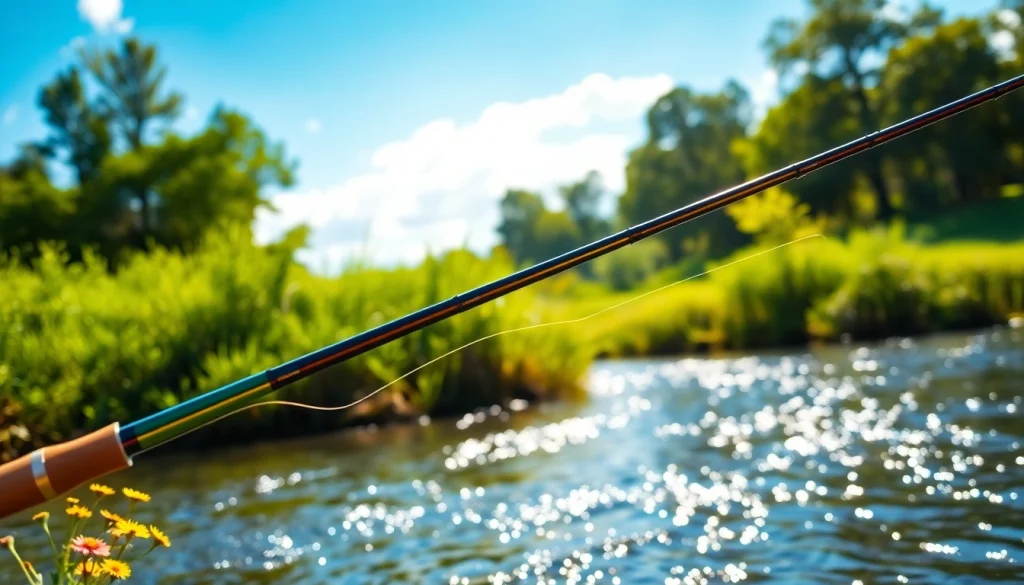
Understanding the Basics of Fly Fishing Rods
When it comes to fly fishing, selecting the right rod is crucial for ensuring a successful experience on the water. The Best fly fishing rods come in various shapes, sizes, and materials, all of which can significantly influence your casting performance and the overall enjoyment of the sport. Whether you are a beginner or a seasoned angler, understanding the fundamentals of fly fishing rods is essential to make an informed decision.
Types of Fly Fishing Rod Actions
Rod action refers to how much of the rod will bend when pressure is applied. It is typically categorized into three types: fast, medium, and slow action. Fast action rods bend primarily at the tip, offering quick responsiveness and greater casting distance, making them ideal for casting in windy conditions or for aggressive fish. Medium action rods bend more evenly along their length, providing a good balance between distance and sensitivity, which is perfect for general-purpose use. Slow action rods bend from the tip to the butt, allowing for greater control and delicacy when presenting flies to wary fish. Understanding these distinctions is vital for selecting a rod that matches your fishing style and the species you are targeting.
Materials Used in Fly Rod Construction
The construction materials of fly rods significantly impact their performance, weight, sensitivity, and durability. Most fly rods are made from graphite, fiberglass, or a combination of both. Graphite rods are favored for their lightweight and high sensitivity, making them easier to handle and ideal for feeling even the slightest nibbles. Fiberglass rods, while heavier, provide durability and flexibility, making them suitable for beginner anglers or those seeking a more forgiving rod. Additionally, composite rods, which blend the two materials, offer a balance of performance features for versatile fishing experiences.
Choosing the Right Length for Fly Rods
The length of a fly rod plays a significant role in your casting technique and ability to manage different fishing scenarios. Rods generally range from 7 to 10 feet in length, with shorter rods offering increased accuracy in close-range situations and longer rods providing better line control and casting distance. Selecting the appropriate rod length is determined by several factors, including the type of water you fish, the species you target, and your personal casting style. For instance, if fishing in tight rivers, a shorter rod may be more beneficial, whereas, in open lakes, a longer rod might be advantageous.
Key Features of the Best Fly Fishing Rods
When considering the best fly fishing rods, several key features should be at the forefront of your decision-making process. Each characteristic contributes to the rod’s overall functionality and your fishing success.
Flexibility and Sensitivity in Performance
Flexibility, or “action,” translates directly into rod performance. High-quality fly rods exhibit a blend of flexibility and sensitivity, giving anglers the ability to feel bites and detect subtle changes in underwater environments. A sensitive rod not only enhances your ability to feel a fish nibbling but also aids in accurate casting and the efficacy of the hook set. Look for rods designed with quality materials that convey vibration through the rod effectively.
Weight and Balance Factors
The weight and balance of a fly rod influence comfort during extended fishing sessions. A well-balanced rod minimizes fatigue and allows you to cast longer, which is particularly critical during all-day fishing outings. Consider the overall weight of the rod in conjunction with your reel’s weight; a balanced setup will significantly enhance your fishing experience, ensuring you can maneuver easily and efficiently.
Durability and Weather Resistance
Given that fly fishing often exposes rods to variable weather conditions and rugged environments, durability cannot be overlooked. Opt for rods that offer weather-resistant materials and robust construction. Quality guides and reel seats made from corrosion-resistant materials significantly enhance the longevity of your rod, ensuring that it stands the test of time, regardless of the conditions.
How to Select the Best Fly Fishing Rods for Your Needs
Choosing the right fly fishing rod can be a daunting task, given all the products available. However, understanding your fishing preferences and requirements is key to making an informed choice.
Identifying Your Fishing Style
Begin by identifying your fishing style. Are you a novice looking to get started, or an experienced angler targeting specific species? Your fishing style will dictate the rod type you need. For example, if dry fly fishing in tight spaces is your cup of tea, you might prefer a shorter, more flexible rod. Conversely, if you plan to fish larger waters with big fish, a longer, stiffer rod may be more suitable. Recognizing your style is essential for selecting a rod that caters to your specific needs.
Matching Rods to Target Species
Each species of fish requires different techniques and tools. Research the types of fish you are likely to catch and the corresponding gear recommended for effective fishing. For example, rods designed for trout fishing will differ from those suitable for bass or saltwater species. Matching your rod to the target species ensures you are equipped with the best chance for success on every fishing outing.
Budget and Value Considerations
Budget considerations are an inevitable part of the rod selection process. Determine your budget upfront and seek out rods that offer great value for money. Not all costly fly rods guarantee superior performance; some mid-range options may provide similar quality and outcomes. Look for rods that balance performance features and quality at a price point that fits your financial considerations to ensure savvy purchasing.
Maintenance Tips for Fly Fishing Rods
Once you have selected your ideal fly rod, proper maintenance will ensure its longevity and sustained performance. Here are some invaluable tips for maintaining your rod effectively.
Cleaning and Care Practices
After each fishing session, it is essential to clean your fly rod to prevent the build-up of dirt, grime, and residue. Use a soft cloth to wipe down the rod and guides, paying special attention to areas around the reel seat where salt and freshwater can accumulate. Occasionally, a gentle wash with mild soap and water can help preserve aesthetics and functionality.
Storage Solutions for Longevity
Proper storage of your fly rods is vital for ensuring their longevity. Store them in a protective case or tube to minimize exposure to dust, moisture, and physical damage. Additionally, avoid leaving rods in extreme temperatures, such as inside a car on hot days or in freezing conditions, which can compromise their structural integrity.
Repairing Common Issues
Even with the best care, issues may arise. Knowing how to remedy common problems is essential for every angler. If the rod tip is damaged, consider replacing it with a new tip section, which is often more economical than replacing the entire rod. For minor scratches or nicks, use rod finish products to seal the damage and prevent further deterioration. If unsure, seek professional repair services to handle significant issues correctly.
Testimonials and Reviews of Top Fly Fishing Rods
When evaluating fly rods, insights from other anglers can provide valuable perspectives that inform your selection process. This can include expert recommendations, user experiences, and comparative analyses of features.
Experts’ Recommendations and Ratings
Flight fishing experts, often through blogs, articles, or forums, will frequently share their own evaluations of different rod models. Take note of their recommendations and the criteria they prioritize, as these insights bring to the forefront elements you may not have originally considered. Some experts might also perform comparative tests, sharing results that can guide prospective buyers toward the best options available.
User Experiences and Feedback
Real-user experiences are insightful and often highlight both the strengths and limitations of specific rods. Always read through customer reviews to gain insights into significant factors such as performance, comfort, quality of construction, and any recurring issues that may be present. These firsthand accounts can inform your purchase, helping you avoid common pitfalls.
Comparative Analysis of Features
Finally, consider compiling a personal comparison of the various fly rods you are interested in, focusing on key features such as action, weight, sensitivity, and materials. This analysis can clarify which rods align best with your needs, preferences, and fishing styles, allowing for a more nuanced decision-making process.