Hardie Board Design Options: Colors, Textures, and Styles
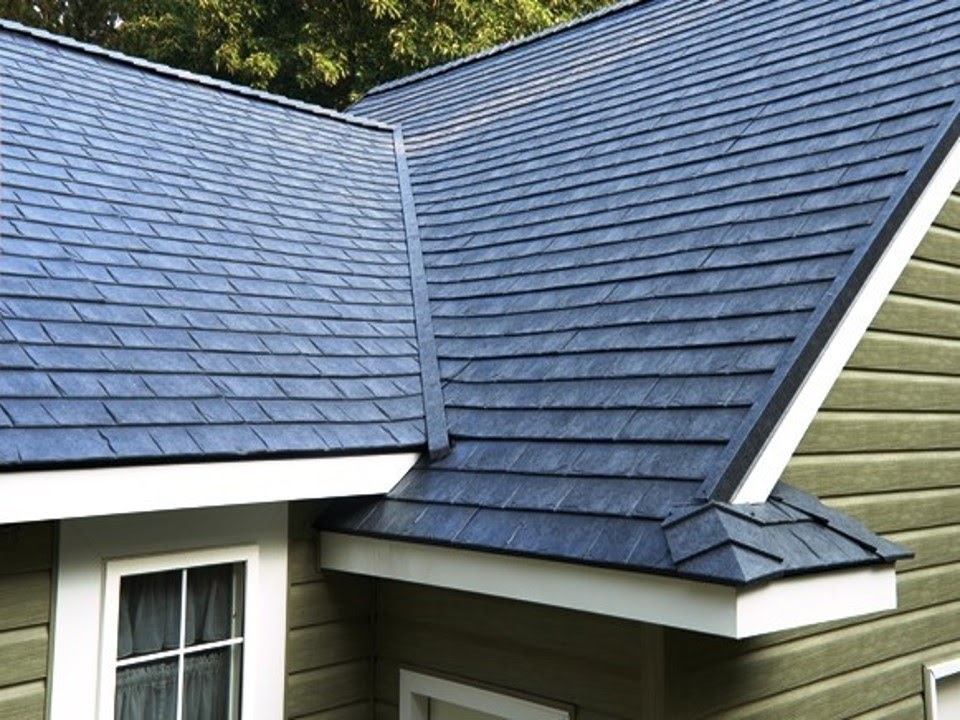
Construct Vision Corp brings you the ultimate guide to Hardie board design options, helping homeowners and builders create stunning exteriors. Hardie board, also known as fiber cement siding, is renowned for its durability, low maintenance, and versatile design capabilities. Choosing the right Hardie board design can elevate your home’s curb appeal while ensuring long-lasting performance.
What is Hardie Board?
Hardie board is a fiber cement siding material made from cement, sand, and cellulose fibers. It offers superior resistance to moisture, fire, and pests compared to traditional wood or vinyl siding. Homeowners who choose Hardie board benefit from its long lifespan, durability, and aesthetic flexibility. With a wide array of colors, textures, and styles, Hardie board allows for creative and unique exterior designs.
Why Choose Hardie Board for Your Home
There are several reasons to choose Hardie board for your home exterior. First, Hardie board is highly durable and withstands harsh weather conditions, including heavy rain, snow, and wind. Second, it is low-maintenance, requiring minimal upkeep compared to wood siding. Third, Hardie board provides excellent fire resistance, offering added safety for your home. Finally, Hardie board’s design versatility enables homeowners to customize colors, textures, and styles to suit any architectural aesthetic.
Hardie Board Colors
One of the main advantages of Hardie board is its wide range of color options. Hardie board comes in pre-painted or primed versions, allowing homeowners to choose from classic neutrals, bold tones, and subtle earthy shades. Popular Hardie board colors include whites, grays, blues, and browns, which can complement traditional or contemporary home designs. The ability to select multiple Hardie board colors for trims, siding, and accents enhances your home’s visual appeal.
Popular Hardie Board Color Combinations
Combining colors effectively can create a striking Hardie board exterior. For instance, pairing a soft gray Hardie board siding with white trim creates a timeless, elegant look. Bold color combinations, such as navy Hardie board siding with crisp white accents, make a modern statement. Construct Vision Corp emphasizes the importance of choosing Hardie board colors that harmonize with your roof, landscaping, and architectural style.
Hardie Board Textures
Hardie board is available in several textures, giving homeowners the ability to achieve the desired aesthetic. Smooth Hardie board offers a clean, modern appearance, while wood-grain textures mimic the look of natural wood. Other textures, such as stucco or sanded finishes, provide unique surface characteristics that enhance the depth and character of your home’s exterior. Choosing the right Hardie board texture allows you to match your home’s style while enjoying the low-maintenance benefits of fiber cement siding.
Matching Hardie Board Texture with Home Style
Selecting a Hardie board texture depends on your home’s architectural style. Smooth Hardie board works well for contemporary and minimalist designs. Wood-grain Hardie board complements traditional, rustic, and craftsman-style homes. Stucco or sanded Hardie board textures are ideal for Mediterranean or Southwestern-inspired architecture. Construct Vision Corp recommends considering both texture and color when selecting Hardie board for a cohesive exterior design.
Hardie Board Styles
Hardie board comes in various siding styles that can dramatically change the appearance of your home. The most popular Hardie board styles include lap siding, shingle siding, and panel siding. Lap siding, also called clapboard, offers horizontal lines that add length and structure to your home’s exterior. Shingle-style Hardie board provides a classic, textured look that works well with cottages and traditional homes. Panel-style Hardie board gives a contemporary feel with clean, geometric lines.
Creative Hardie Board Style Combinations
Construct Vision Corp encourages homeowners to mix and match Hardie board styles for a distinctive exterior. For example, combining lap siding on the main sections of your home with shingle-style Hardie board on gables or accent areas creates visual interest. Panel-style Hardie board accents on modern homes can highlight entryways or garages, enhancing curb appeal. The flexibility of Hardie board allows homeowners to design an exterior that is both unique and timeless.
Hardie Board Maintenance Tips
Maintaining Hardie board is easy compared to wood siding, but proper care ensures its longevity. Regular cleaning with a garden hose or pressure washer removes dirt and debris. Inspecting Hardie board annually for cracks or damage prevents water infiltration. Additionally, repainting or touch-ups every 10-15 years maintain the vibrancy of your Hardie board colors. Construct Vision Corp advises homeowners to follow manufacturer guidelines for maintaining Hardie board to preserve its beauty and durability.
Final Thoughts on Hardie Board Design
Hardie board is a versatile, durable, and aesthetically pleasing siding option that enhances any home. With a wide selection of colors, textures, and styles, Hardie board offers endless possibilities for creative exterior designs. Construct Vision Corp highlights the importance of carefully choosing Hardie board combinations that reflect your personal taste while complementing your home’s architecture. By selecting the right Hardie board colors, textures, and styles, homeowners can achieve an exterior that is not only visually appealing but also built to last.