
Enhance Your Space with a Stunning Wood Wall Design
Understanding the Appeal of Wood Wall
What is a Wood Wall?
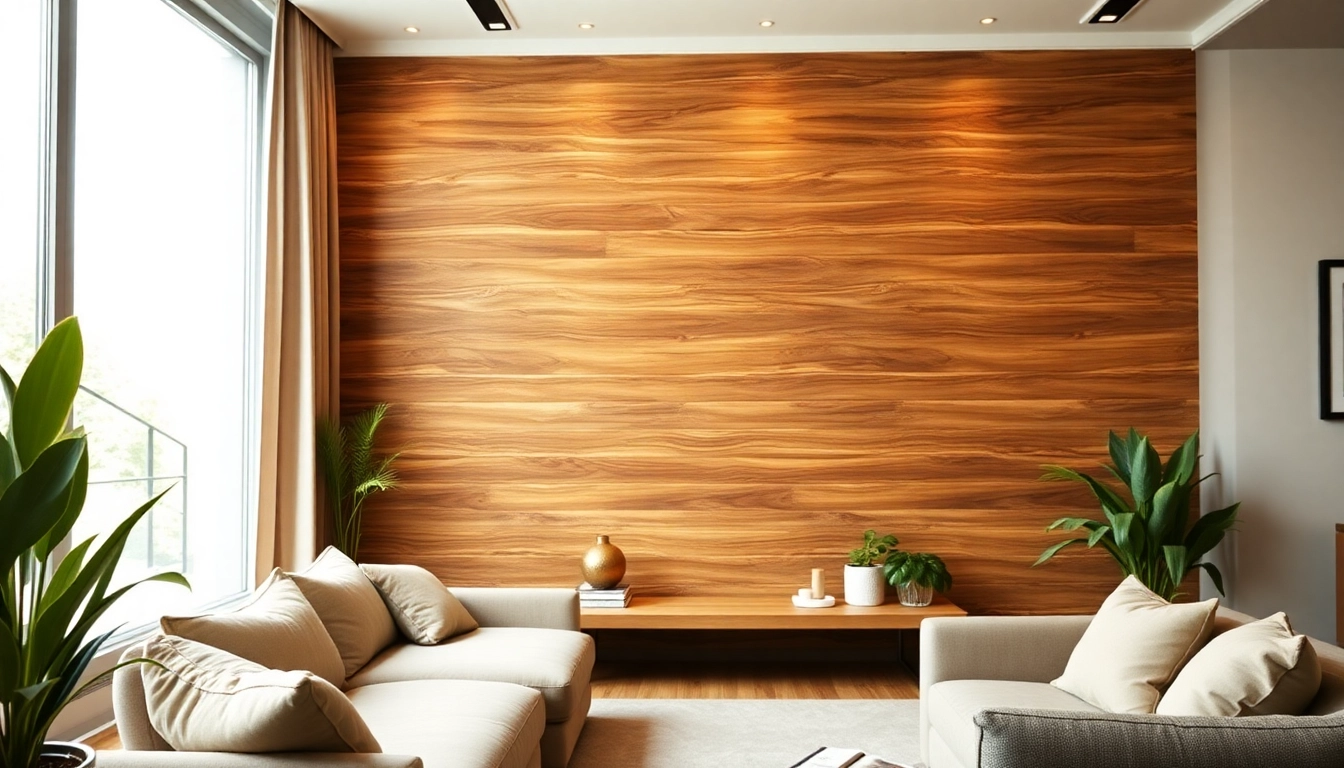
A wood wall typically refers to a wall finished or constructed using wood materials. These can be solid wood panels, reclaimed barn wood, or engineered wood products. Often used in residential and commercial spaces, wood walls are valued for their aesthetic appeal, durability, and versatility. Incorporating a wood wall into your space can add a touch of warmth and sophistication, transforming a plain area into a rustic or modern design statement.
Benefits of Wood Wall in Home Decor
The charm of wood wall designs is indisputable. Here are several benefits of incorporating wood walls into your interior decor:
- Aesthetic Appeal: Wood walls add natural beauty, texture, and warmth to any space.
- Acoustic Benefits: Wood has natural sound-absorption qualities, making it an excellent choice for noisy environments.
- Insulation Properties: Wood can provide additional insulation, helping maintain a comfortable indoor temperature.
- Versatility: Wood can be styled in various ways, suited to different decor themes – from rustic to contemporary.
- Longevity: When properly maintained, wood walls can last for decades, providing lasting value.
Popular Wood Types for Walls
Choosing the right type of wood can influence the overall look, feel, and performance of your wood wall. Here are some popular options:
- Pine: Affordable and widely available, pine offers a light color and smooth texture, making it versatile for various designs.
- Cedar: Naturally resistant to rot and decay, cedar provides a pleasant aroma and a rich hue that enhances any space.
- Oak: Known for its strength and durability, oak features a distinct grain pattern that adds character.
- Cherry: With its deep, rich color, cherry wood is luxurious and well-suited for high-end finishes.
- Walnut: Dark and sophisticated, walnut wood provides a striking backdrop, often used in modern and elegant designs.
Designing Your Wood Wall: Key Considerations
Choosing the Right Location for Your Wood Wall
Selecting the ideal location for your wood wall is vital. Consider the room’s purpose and existing decor. High-traffic areas can benefit from wood walls that offer durability, while cozy spaces like reading nooks can maximize the warmth of wood. Additionally, consider natural light sources as they can highlight the wood’s beauty.
Mixing Wood Wall with Other Materials
A unique design can emerge by blending a wood wall with different materials. Common pairings include:
- Stone or Brick: Combining wood with stone or brick can create a striking contrast, emphasizing textures.
- Metal Accents: Incorporating metal elements leads to an industrial feel, balancing warmth with a contemporary edge.
- Painted Surfaces: Mixing painted walls with a wood wall can add an intriguing visual layer, allowing personality to shine.
Color and Texture Options for Wood Wall
Wood offers a vast range of colors and finishes, allowing endless design possibilities. Lighter woods like pine and birch can instill a fresh and airy atmosphere, while darker woods like walnut evoke richness and depth. Additionally, consider texture variations such as smooth, distressed, or reclaimed finishes, impacting your wood wall’s overall character.
Installation Techniques for Wood Wall
Tools and Materials Needed
While installing a wood wall may seem daunting, having the right tools and materials on hand can simplify the process. Essential items include:
- Wood panels
- Measuring tape
- Circular saw or miter saw
- Nail gun or hammer
- Level
- Stud finder
- Wood adhesive
- Sandpaper (if needed for finishing)
Step-by-Step Installation Guide
Follow these steps for an effective installation of your wood wall:
- Prep the Area: Clear the space and ensure the wall is clean and smooth.
- Measure and Mark Studs: Use a stud finder to locate wall studs and mark their positions for secure fastening.
- Cut Wood Panels: Based on your measurements, cut the panels to size while allowing for any necessary gaps.
- Start from the Bottom: Position the first panel at the bottom and ensure it’s level before securing it in place.
- Install Subsequent Panels: Continue installing panels, making sure each one is level and aligned properly.
- Finish Edges: Add trim, caulking, or paint as necessary for a polished look.
Common Installation Mistakes to Avoid
To ensure a successful installation, be aware of common pitfalls:
- Poor Measurements: Always double-check measurements to avoid costly mistakes.
- Neglecting Wall Preparation: Skipping wall prep can lead to poor adhesion, reducing the durability and appearance of your wood wall.
- Ignoring Expansion Gaps: Wood expands and contracts. Ensure you leave gaps around the edges to accommodate this.
Maintenance and Care for Your Wood Wall
Cleaning and Upkeep for Wood Wall
To maintain the beauty of your wood wall, regular cleaning is essential. Use a soft cloth or duster to remove dust and debris. For deeper cleaning, a mixture of vinegar and water can help eliminate stains without damaging the finish. Avoid harsh cleaners that could strip the wood’s natural oils or finishes.
Protecting Wood Wall from Damage
Preventing damage to your wood wall ensures longevity. Consider the following precautions:
- Humidity Control: Monitor indoor humidity levels to minimize warping or cracking.
- Furniture Placement: Ensure furniture does not rest against the wall without protection to guard against scratches.
- Sunlight Exposure: Use shades or curtains to protect against intense sunlight, which may cause fading over time.
Long-Term Care Tips for Wood Wall
For lifelong maintenance, consider reapplying wood treatment products every few years to retain the finish and protect against wear. Additionally, take care to inspect and repair minor issues before they become significant problems, ensuring your wood wall remains stunning for years to come.
Innovative Ideas for Wood Wall Use
Using Wood Wall in Commercial Spaces
Commercial spaces can also benefit from wood walls. They serve not only as an aesthetic enhancement but also help to create a welcoming environment. Restaurants, cafes, and retail stores use wood walls to evoke a sense of warmth and quality, drawing customers into a space that feels both inviting and stylish.
Customizing Your Wood Wall for Personal Touches
Your wood wall can reflect your personality through customization. Options include:
- Artwork Displays: Incorporate frames or shelves directly into the wood wall to display artwork or personal items.
- Built-In Lighting: Install LED lights to highlight wood grain or artwork, adding warmth and ambiance.
- Paint or Stain Varieties: Personalize the color and finish, ensuring it aligns with your style preferences.
Trends in Wood Wall Design
Staying updated on wood wall trends can enhance your design approach. Current trends include:
- Mixed-Media Walls: Combining woods with other materials for a unique visual experience.
- Vertical Installation: Horizontal panels are turning into a trend, offering a fresh perspective.
- Eco-Friendly Options: Sustainable sourcing is paramount, with reclaimed wood walls becoming increasingly popular.
Frequently Asked Questions About Wood Wall
1. How do I choose the right wood type for my wall?
Your selection should be based on desired aesthetics, durability needs, and environmental considerations. Popular choices include pine and cedar for their balance of beauty and functionality.
2. Can I install a wood wall myself?
Yes, with the right tools and instructions, many homeowners can successfully install a wood wall. Follow a detailed guide to simplify the process.
3. How do I clean and maintain my wood wall?
Regularly dust the wall and use mild soap with water for deeper cleaning. Avoid harsh chemicals that may damage the wood finish.
4. Is wood wall installation expensive?
Costs vary based on wood type, installation method, and labor. DIY installations can save costs, but complex designs may require professional help.
5. Can I paint or stain my wood wall later?
Yes, wood walls can be painted or stained, allowing for style changes over time. Make sure to prep and select appropriate finishes for compatibility.