
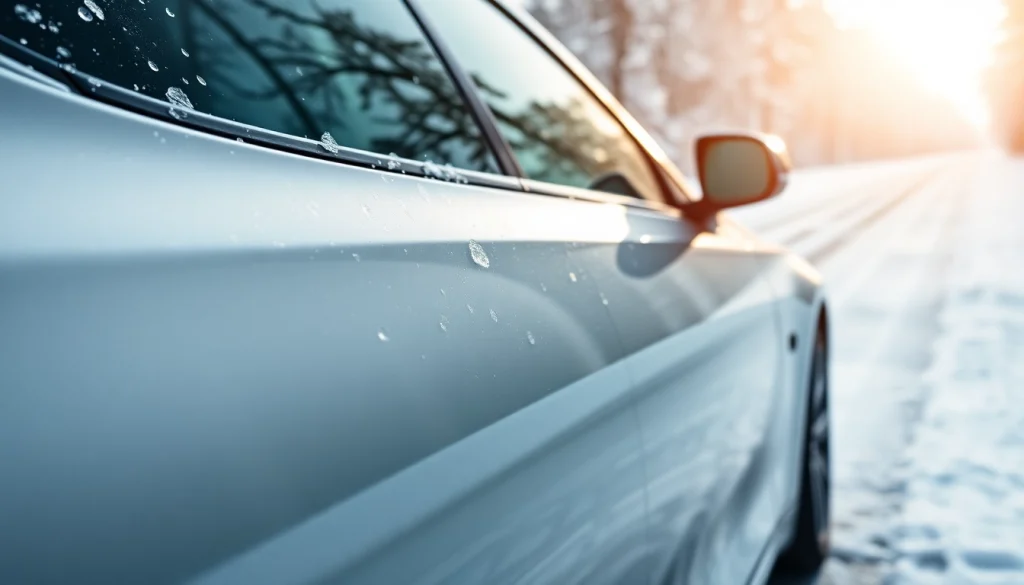
Understanding PPF Winter Road Salt Protection
In regions where winter brings heavy snowfall and icy conditions, road salt becomes a common tool for keeping streets safe and navigable. However, this essential safety measure can pose significant threats to your vehicle’s exterior. This is where PPF winter road salt protection comes into play. Paint Protection Film (PPF) is designed to defend against such corrosive agents, ensuring your vehicle maintains its aesthetic appeal and structural integrity. Let’s dive into the intricacies of PPF and its role in safeguarding your vehicle during harsh winter months.
What is PPF and Its Benefits?
PPF, or Paint Protection Film, is a clear polyurethane film that is applied to the exterior surfaces of a vehicle. It serves as a barrier against physical damage from rocks, debris, and, crucially, harsh winter elements such as road salt. The benefits of PPF are multifaceted:
- Durability: High-quality PPF can withstand abrasive conditions, making it ideal for winter protection.
- Self-Healing Properties: Many PPFs are designed to heal minor scratches and swirls when exposed to heat, ensuring your vehicle keeps its polished look.
- UV Protection: PPF also protects the vehicle’s paint from harmful UV rays that can cause fading.
- Easy Maintenance: Vehicles with PPF require less cleaning and polishing, saving time and effort for car owners.
How Winter Salt Affects Your Vehicle’s Surface
Road salt is essential for keeping ice and snow manageable, but it works relentlessly against your vehicle’s paint. Salt can trap moisture against the metal surface, causing rust and corrosion over time. Common issues from winter salt exposure include:
- Chips and Scratches: Salt can contribute to paint deterioration and create chinks in the protective layer.
- Corrosion: Continuous exposure allows for rust to form on exposed metal parts, which can lead to expensive repairs.
- Oxidation: With the right wet and dry cycles, salt can accelerate oxidation, resulting in blemishes and dull paint.
Understanding these impacts highlights the importance of protecting your vehicle’s exterior with PPF, especially during winter months.
Why PPF is Essential for Winter Protection
PPF acts as a formidable line of defense against the corrosive effects of winter road salt. Its application is vital for several reasons:
- Prevention of Damage: The layer of PPF repels salt and other contaminants, reducing the chances of paint damage.
- Cost-Effective Solution: While there’s an upfront cost to installing PPF, it mitigates the need for expensive repairs from corrosion and oxidation.
- Resale Value: A vehicle that is in pristine condition retains its value much better than one with significant exterior wear.
Choosing the Right PPF for Cold Weather
With several types of PPF available, selecting the most suitable one for winter use requires careful consideration. Not all products are created equal, especially in terms of their resilience to cold temperatures and winter conditions.
Types of PPF Suitable for Winter Use
When selecting PPF for winter protection, consider the following types:
- Standard PPF: Basic protection against scratches and road debris, ideal in moderate winter regions.
- Self-Healing PPF: Designed to absorb minor impacts and heal from scratches; this type is highly recommended for winter conditions.
- Hydrophobic PPF: These films repel water and dirt, enhancing cleanliness and visibility by ensuring that road salt and grime don’t adhere easily.
Factors to Consider When Selecting PPF
When deciding on the right PPF, keep the following factors in mind:
- Thickness: Thicker films provide increased protection against the elements.
- Opacity: Choose a clear film that doesn’t alter the vehicle’s color or aesthetics.
- Adhesion Strength: Ensure the product has robust adhesive properties to withstand the cold temperatures without peeling.
- Warranty: Look for PPFs that come with a warranty for added peace of mind.
Expert Recommendations for Winter PPF
Consulting with PPF professionals can provide insights into the top-performing films for winter use. Aerospace-grade films known for their robust nature and self-healing properties are often highlighted in expert recommendations. Additionally, films from established manufacturers with proven track records of durability and performance in harsh winters are frequently selected.
Proper Application of PPF for Best Results
To reap the maximum benefits from PPF, the application process must be precise, whether you choose to go the DIY route or hire professionals. Proper installation is key to ensuring that your PPF lasts through winter and beyond.
DIY vs. Professional Installation
Deciding between DIY installation and hiring a professional comes with its pros and cons:
- DIY Installation: Provides cost savings but requires a meticulous approach and may carry risks of bubbling or misalignment.
- Professional Installation: Offers expertise and quality assurance but involves higher costs. Professionals have the tools and experience to ensure proper application.
Applying PPF: Step-by-Step Guide
If you decide to apply PPF yourself, follow this step-by-step guide for optimal results:
- Prepare Your Workspace: Clean the application area, ensuring it is free from dust and debris.
- Wash and Dry Vehicle: Thoroughly clean the vehicle, using a pH-neutral soap, and dry completely.
- Measure and Cut PPF: Measure the areas to be covered, cutting the PPF accordingly.
- Wet Application: Use a slip solution to apply the film, allowing it to slide into place.
- Squeegee Out Air Bubbles: Carefully remove air bubbles using a squeegee, moving from the center outward.
- Post-Installation Curing: Allow the PPF to rest for several hours to ensure proper adhesion.
Common Mistakes to Avoid During Application
Several pitfalls can compromise the installation and effectiveness of PPF:
- Skipping Surface Preparation: Not cleaning the area properly can lead to contamination and poor adhesion.
- Poor Temperature Management: Applying PPF in freezing temperatures can result in improper adhesion.
- Lack of Patience: Rushing the application process can lead to errors such as bubbles or misalignment.
Maintenance of PPF During Winter
To ensure the longevity and effectiveness of PPF, proper maintenance is crucial throughout the winter months. Regular care will help maintain its protective properties.
Cleaning PPF to Maximize Lifespan
Keep PPF clean to enhance its protective abilities. Employ the following cleaning practices:
- Gentle Washing: Use a soft microfiber cloth with pH-neutral soap to avoid damage.
- Drying Techniques: Use a drying towel rather than air drying to prevent spotting caused by residual water.
- Regular Inspections: Check for any peeling or damage regularly to catch issues early.
What to Avoid When Caring for PPF
To maintain the integrity of PPF, avoid the following:
- Abrasive Cleaners: These can scratch the surface and degrade the film.
- Automatic Car Washes: Brushes in these washes can damage the film; opt for hand washing instead.
- Harsh Chemicals: Avoid using products with ammonia or high alcohol content that can wear down the film.
Signs Your PPF Needs Replacement
While PPF is designed to be durable, it isn’t indestructible. Look for these signs that indicate your PPF may need replacement:
- Yellowing: Discoloration can be a sign that the protective layer is deteriorating.
- Peeling Edges: If the edges start to lift, it can expose the paint underneath.
- Visible Damage: Scrapes or cuts that do not self-heal might necessitate replacement.
FAQs about PPF Winter Road Salt Protection
How effective is PPF against road salt?
PPF provides excellent resistance against road salt, minimizing damage and maintaining your vehicle’s finish.
Can I apply PPF myself in winter?
DIY application is possible, but cold temperatures can affect adhesion; professional installation is recommended.
How long does PPF last in winter conditions?
High-quality PPF can last up to 10 years, even in harsh winter climates, with proper maintenance.
Is PPF worth the investment for winter protection?
Yes, the long-term benefits of protecting your vehicle’s finish from road salt and other elements are significant.
Can PPF be removed easily after winter?
Yes, PPF can be safely removed without damaging the underlying paint, making it reversible.