Manaslu Trek: Essential Guide for 2025 Adventures
Overview of the Manaslu Trek
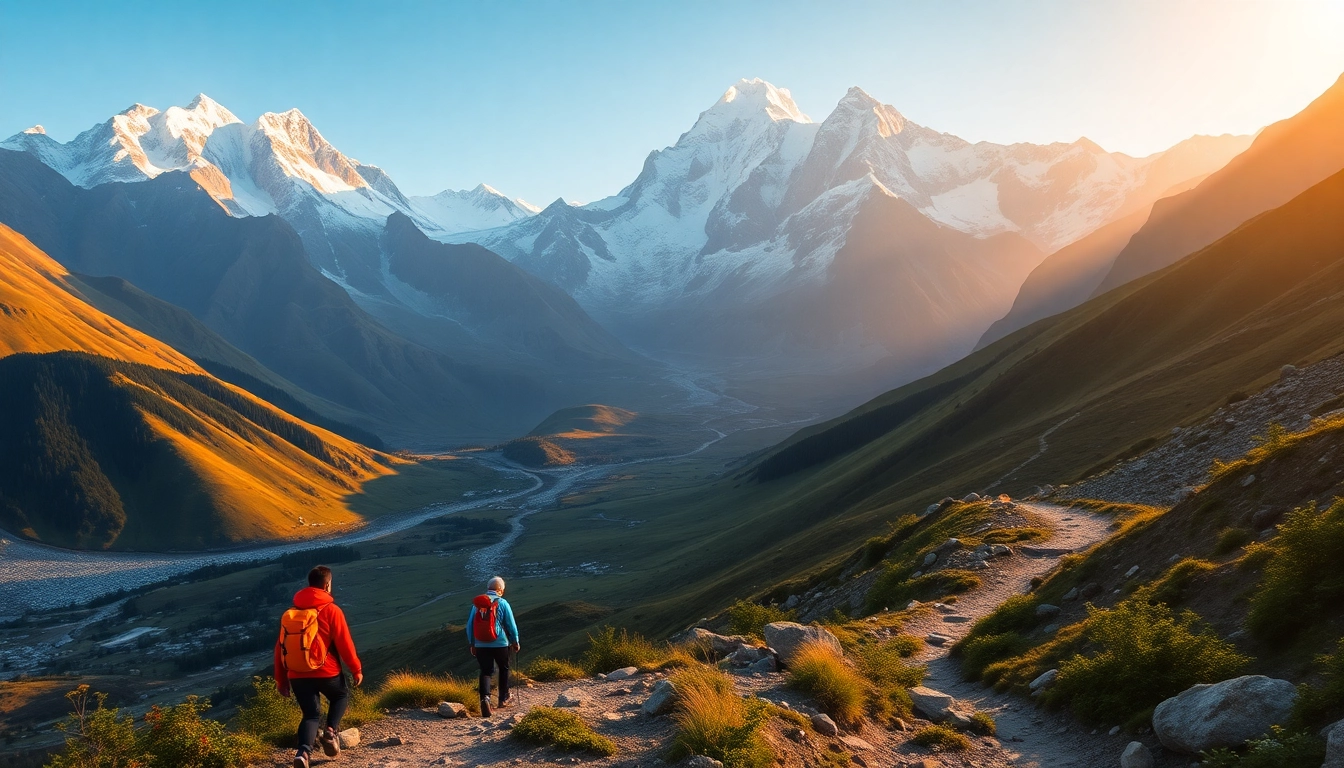
The Manaslu Circuit Trek, one of Nepal’s hidden gems, is renowned for its breathtaking landscapes, rich cultural heritage, and the majestic backdrop of Mount Manaslu, the eighth-highest peak in the world. This trek offers an incredible chance to immerse oneself in the traditional lifestyles of the local communities, interact with warm and hospitable locals, and experience the serene beauty of the Himalayas. Spanning approximately 177 kilometers, the manaslu trek captures the essence of Nepal’s diverse geographical features, from lush valleys to rugged mountain passes.
What to Expect on the Manaslu Trek
As trekkers set foot on the Manaslu Circuit, they can expect a unique blend of natural beauty, rich biodiversity, and varying climatic conditions. The trek typically entails walking between 5 to 8 hours each day, with some challenging sections that require a good level of fitness and acclimatization to the altitude. The route is less traveled compared to popular treks like the Annapurna Circuit, making it a perfect choice for those seeking solitude and a more personal connection with the environment.
Key Highlights of the Trekking Route
- Stunning views of Mount Manaslu and surrounding peaks.
- Authentic cultural experiences in remote villages such as Samagaon and Lho.
- Larkya La Pass (5,160 m), offering panoramic mountain views.
- Opportunities to explore ancient monasteries and traditional Tibetan structures.
- Rich biodiversity, including rare Himalayan flora and fauna.
Duration and Distance of the Manaslu Circuit
The entire trek lasts for about 15 days, covering a distance of approximately 177 km. This includes a mix of trekking days and acclimatization breaks, ensuring trekkers adjust to the altitude. The trek begins in Machha Khola and ends in Dharapani, incorporating various stunning landscapes, cultural encounters, and natural wonders along the way.
Manaslu Trek Itinerary
Detailed Day-by-Day Breakdown
The Manaslu Circuit Trek follows a well-structured itinerary designed to maximize the trekking experience while ensuring trekkers acclimatize effectively. Here’s a brief outline of the day-to-day activities:
- Day 1: Arrival in Kathmandu (1,400 m). Transfer to hotel.
- Day 2: Drive to Machha Khola (869 m) via Soti Khola (710 m).
- Day 3: Trek to Jagat (1,340 m).
- Day 4: Trek to Deng (1,860 m).
- Day 5: Trek to Namrung (2,630 m).
- Day 6: Trek to Lho (3,180 m).
- Day 7: Trek to Samagaon (3,520 m).
- Day 8: Acclimatization day with options to hike to Birendra Lake or Manaslu Base Camp.
- Day 9: Trek to Samdo (3,875 m).
- Day 10: Trek to Dharmashala (4,460 m).
- Day 11: Cross Larkya La Pass (5,160 m) and trek to Bimthang (3,590 m).
- Day 12: Trek to Goa (2,515 m).
- Day 13: Trek to Dharapani (1,963 m).
- Day 14: Drive back to Kathmandu.
- Day 15: Transfer to international airport for departure.
Acclimatization Days and Their Importance
Acclimatization is a crucial aspect of the Manaslu Trek, especially as trekkers reach elevations over 3,500 m. The itinerary includes dedicated acclimatization days, especially in Samagaon, allowing the body to adjust to the altitude and reducing the risk of altitude sickness. During these days, trekkers can engage in light hikes to surrounding areas and immerse themselves in local culture.
Optional Side Trips Along the Route
In addition to the main trekking route, trekkers have opportunities for several side trips. Notable options include:
- Hiking to Birendra Lake, a serene glacial lake with stunning views.
- A visit to the Manaslu Base Camp, bringing trekkers closer to the majestic mountain itself.
- Exploring local monasteries and cultural sites, adding depth to the trekking experience.
Planning Your Manaslu Trek
Best Time to Trek Manaslu
The best seasons for trekking the Manaslu Circuit are during spring (March to May) and autumn (September to November). Each season offers different experiences, from blooming flowers and clear skies in spring to crisp air and stunning vistas in autumn. However, monsoon season (July to mid-September) should be avoided due to heavy rainfall and potential landslides.
Essential Packing List for the Trek
A well-thought-out packing list is essential for a successful trek. Essential items include:
- Durable trekking boots with ankle support.
- Warm layers, including thermal clothing and a down jacket.
- Personal items such as a first aid kit, toiletries, and a power bank.
- Hydration system (water bottles and purification tablets).
- Sun protection (sunscreen, hat, sunglasses).
Physical Preparation and Training Tips
To ensure a successful trekking experience, physical preparation is vital. It’s recommended to engage in a fitness regimen that includes:
- Cardio exercises like walking, running, or cycling at least four times a week.
- Strength training focused on the legs, core, and overall body endurance.
- Practice hikes with a loaded backpack to simulate trekking conditions.
Cost and Inclusions for the Manaslu Trek
Understanding the Pricing Structure
The cost of the Manaslu Trek can vary based on the season, group size, and the services included. On average, costs range from $1,500 to $2,500 per person. This price typically includes permits, accommodation, meals, and guide services.
What’s Included in the Trek Package
A comprehensive trek package usually includes:
- Accommodation in teahouses along the trekking route.
- Three meals a day.
- National park and conservation area permits.
- Experienced English-speaking guide and support staff.
- Ground transportation to and from the trekking starting point.
Hidden Costs to Keep in Mind
While the trek package covers most expenses, trekkers should budget for additional costs, such as:
- Snacks, beverages, and meals in Kathmandu.
- Tips for guides and porters.
- Emergency evacuation and travel insurance.
- Personal expenses like souvenirs and laundry.
Safety and Support on the Trek
Health and Safety Measures During the Trek
Health and safety measures are paramount during the Manaslu Circuit Trek. Guides are trained in first aid and carry a first aid kit to address minor injuries and ailments. Trekkers are advised to remain hydrated, maintain a balanced diet, and listen to their bodies to prevent altitude sickness.
Guided vs. Independent Trekking Experiences
While some trekkers may consider an independent trek, guided tours offer significant advantages, including:
- Expert knowledge of the terrain and cultural insights.
- Managing logistics such as communication and permits.
- Support in navigating potential challenges, including altitude adjustment and emergencies.
Managing Altitude Sickness on the Manaslu Trek
Altitude sickness is a serious concern for trekkers approaching high elevations. To mitigate risks, it’s essential to:
- Take acclimatization days to adjust your body.
- Recognize symptoms early and descend if necessary.
- Stay hydrated and consume high-carb meals.
- Listen to your guide and fellow trekkers regarding pacing and comfort.