Understanding Metal Roofing Options
Types of Metal Roofing Materials
When considering metal roofing, it’s essential to be aware of the various types available, as each offers unique benefits and aesthetic qualities. The most common materials include:
- Steel: Renowned for its strength, steel is often galvanized or coated to prevent rust. It’s one of the most popular choices among metal roofing companies.
- Aluminum: Lightweight and resistant to corrosion, aluminum is an excellent option for coastal areas where salt air prevails. It tends to be slightly more expensive than steel.
- Copper: With its unmatched durability and natural beauty, copper roofing develops a patina over time, adding to its aesthetic appeal. However, it is one of the most expensive roofing materials available.
- Zinc: Similar to copper, zinc is highly durable and develops a protective patina. It is eco-friendly and can last up to 100 years with minimal maintenance.
- Metal Tiles: These mimic the appearance of traditional roofing materials like slate or tile, providing a unique look while retaining the benefits of metal.
Benefits of Metal Roofing
Metal roofing is gaining immense popularity, and for good reason. Its numerous advantages make it a prudent choice for homeowners.
- Durability: Metal roofs are built to withstand extreme weather conditions, including high winds, heavy snow, and hail. Many manufacturers offer warranties of 50 years or more.
- Energy Efficiency: Metal roofing reflects solar radiant heat, which can reduce cooling costs by 10-25%. Additionally, some metal roofs are coated with reflective finishes to enhance energy efficiency.
- Eco-Friendliness: Metal roofing is often made from recycled materials and can be recycled again at the end of its life cycle, contributing to environmental sustainability.
- Low Maintenance: Unlike traditional roofing materials that may require frequent repairs and replacements, metal roofs require minimal maintenance, particularly if installed correctly.
- Variety of Styles: Available in various colors, styles, and finishes, metal roofing can complement any architectural design, making it highly versatile.
Best Applications for Metal Roofing
Metal roofing is multifunctional and suitable for diverse applications:
- Residential Homes: Increasingly adopted in residential settings, metal roofs add both value and aesthetic appeal.
- Commercial Buildings: Many businesses opt for metal roofing due to its durability and energy efficiency.
- Industrial Facilities: Warehouses and factories benefit from metal roofing’s resistance to wear and tear, making it ideal for industrial applications.
- Garages and Sheds: Homeowners often choose metal roofs for storage buildings, given their durability and low maintenance requirements.
Evaluating Metal Roofing Companies
Essential Qualities of Reliable Companies
Choosing a metal roofing company is a critical step in the installation process. Start by looking for contractors with the essential qualities:
- Experience: Companies with several years in the business usually have extensive knowledge and can handle various roofing issues that may arise during installation.
- Licensing and Insurance: Ensure the company is licensed to operate in your state and carries liability insurance to protect you from any damages during the project.
- Reputation: Research customer reviews and testimonials to gain insight into the company’s reliability and quality of work.
- Warranties: A good roofing company should offer warranties covering materials and workmanship, providing peace of mind for homeowners.
How to Compare Metal Roofing Companies
When evaluating multiple metal roofing companies, consider creating a comparison chart with the following criteria:
- Price estimates for materials and labor
- Warranty terms and conditions
- Project timelines and expected completion dates
- References from past clients
- Presentation of the proposal, including material choices and installation methods
This method allows for a comprehensive overview, making it easier to determine which company aligns best with your needs and budget.
Questions to Ask Potential Contractors
Before finalizing your choice of a metal roofing company, asking the right questions can help ensure you are making an informed decision:
- What types of metal roofing do you offer, and what are the pros and cons of each?
- Can you provide a detailed estimate, including materials, labor, and any potential additional costs?
- What is the expected timeline for completing the project?
- How will you handle any unexpected issues that arise during installation?
- What kind of maintenance will my metal roof need over its lifespan?
Cost Considerations for Metal Roofing
Understanding Pricing Models
The cost of metal roofing can vary significantly based on several factors. Understanding these variables will help you budget effectively.
- Material Types: The price will differ based on whether you choose steel, aluminum, copper, or zinc.
- Installation Complexity: Roofs with complicated designs or multiple pitches may incur higher labor costs.
- Location: Labor costs fluctuate across different regions, impacting the overall price.
- Size of the Roof: The larger the roof, the higher the material and labor costs will be.
Hidden Costs in Roofing Projects
While it’s crucial to have a clear understanding of base expenses, potential hidden costs can surprise homeowners:
- Permitting Fees: Some municipalities require permits that may add to your overall project cost.
- Old Roof Removal: If your current roof needs to be removed, this can significantly add to labor and disposal costs.
- Repairs to Underlying Structure: Sometimes, damage is discovered during installation that requires immediate attention.
- Upgrades and Customizations: Additional features such as gutters, downspouts, or decorative elements can lead to increased costs.
Budgeting for Metal Roofing
To effectively budget for a metal roofing project:
- Get multiple quotes from various metal roofing companies to gauge average costs.
- Factor in all potential costs, including hidden fees.
- Allocate a contingency amount of about 10-20% of the total budget for unexpected expenses.
By being proactive in financial planning, you can ensure that your roofing project stays on track.
Installation Process for Metal Roofing
Steps in the Installation Process
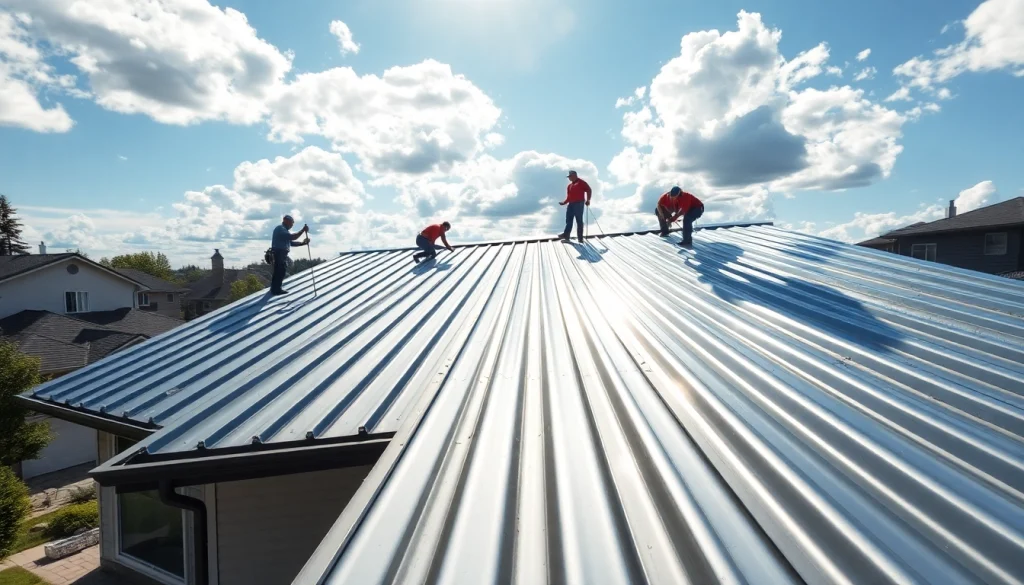
The installation of metal roofing requires precision and skill. The process generally involves the following steps:
- Preparation: This includes inspecting the roof deck, removing old roofing if necessary, and ensuring a stable surface.
- Installation of Underlayment: A waterproof underlayment is placed to add an extra layer of protection against moisture.
- Metal Panel Installation: Panels are laid, starting from the eave and working upwards to create optimal water flow.
- Sealing and Fastening: Proper securing techniques are used to ensure a tight fit and prevent leaks.
- Adding Finishing Touches: Flashing, trims, and other elements are added to enhance both function and aesthetic appeal.
Timeline Expectations with Metal Roofing Companies
The timeline for completing a metal roofing installation can vary depending on several factors:
- Weather Conditions: Rain or extreme temperatures can delay the installation process.
- Roof Size: Larger roofs typically require more time for completion.
- Company Workload: If a contractor is busy with other projects, it may affect scheduling.
- Complexity of Design: Unique architectural features will extend the time needed for installation.
Tips for a Smooth Installation
To ensure a seamless roofing installation:
- Communicate openly with your contractor about your expectations and any concerns.
- Prepare your property by clearing any obstacles that may hinder the installation process.
- Be present during critical stages of the installation to address any issues as they arise.
- Inspect the finished work to ensure it meets your expectations and discuss any concerns immediately.
Maintenance and Longevity of Metal Roofing
Routine Maintenance Tips
To prolong the lifespan of your metal roof, routine maintenance is essential. Here are effective maintenance tips:
- Inspect your roof at least twice a year for loose panels, rust, or any signs of wear.
- Ensure gutters and downspouts are clear to prevent water backups that could damage the roof.
- Clean any debris, leaves, or snow accumulation that could trap moisture or lead to corrosion.
- Consider applying protective coatings every few years to enhance durability.
Signs Metal Roofing Needs Repair
Being aware of warning signs can save you from costly damage in the long run:
- Loose or missing panels that compromise the roof’s integrity.
- Visible rust or corrosion spots indicating a potential vulnerability.
- Water leaks in the interior of the home after heavy rain.
- Excessive granule loss if your metal roof has a painted finish.
Expected Lifespan of Metal Roofing
Metal roofing is renowned for its longevity. With proper care, you can expect:
- Steel roofs to last 40-70 years.
- Aluminum roofs typically last 50 years or more.
- Copper and zinc roofs may last upwards of 100 years.
The durability of metal roofs significantly contributes to their appeal and value over time.
FAQs
What are the advantages of metal roofing?
Metal roofing is durable, energy-efficient, and environmentally friendly, providing long-term savings.
How do I choose the right metal roofing companies?
Look for certified companies with positive reviews, relevant insurance, and solid warranties.
What is the average cost of metal roofing?
The cost varies based on materials and complexity, but expect $5.00 to $12.00 per square foot installed.
How long does metal roofing last?
Metal roofs can last 40-70 years with proper maintenance, offering excellent longevity.
Is metal roofing noisy during rain?
Proper insulation minimizes noise, and many homeowners report it isn’t an issue when installed correctly.