
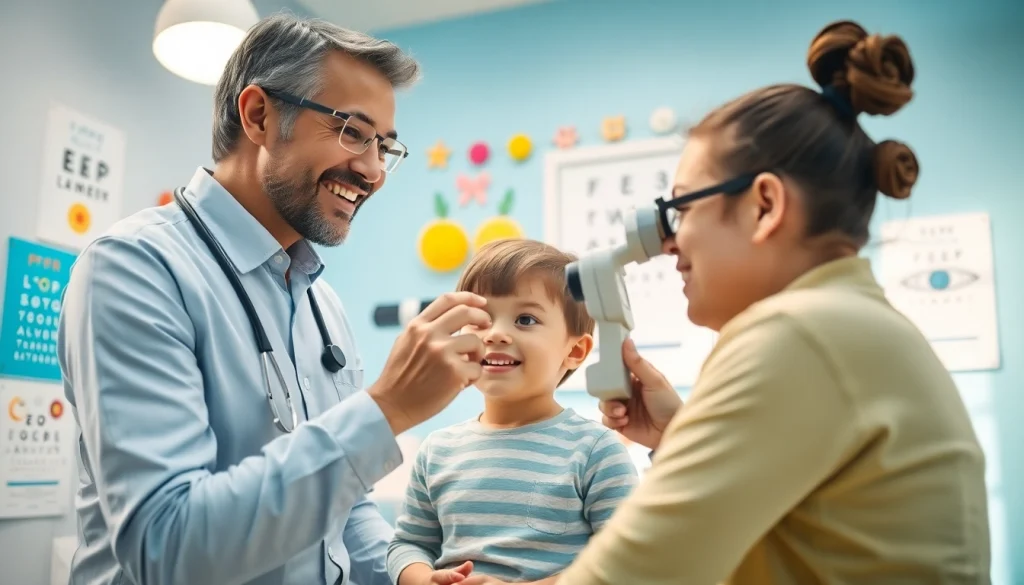
The Importance of Our Children’s Vision
Ensuring the optimal visual health of children is paramount for their overall development and quality of life. When we refer to Our Children’s Vision, we highlight a critical global initiative aimed at addressing the alarming rates of visual impairment in children. Unfortunately, millions of children worldwide are unable to access essential eye care services, which can significantly hinder their learning, social interactions, and overall well-being.
Understanding Childhood Vision Impairments
Vision impairments in children can range from refractive errors, such as myopia (nearsightedness) and hyperopia (farsightedness), to more severe conditions like amblyopia (lazy eye) and strabismus (crossed eyes). These conditions often go unrecognized in early childhood due to a lack of awareness and access to proper eye care, leading to long-term effects on a child’s cognitive and social development.
Identifying these vision problems early is crucial, as untreated conditions can result in permanent vision loss and severely impact a child’s academic performance and social interactions. This is why programs focused on eye health for children are essential.
Statistics on Childhood Eye Health
The statistics surrounding childhood vision impairments are alarming. Studies indicate that one in four children has a vision problem, yet most of these issues can be readily corrected if identified early. For instance, a national survey revealed that nearly 83% of children do not receive the eye exams they need. This gap highlights the urgent need for initiatives like Our Children’s Vision.
Furthermore, the World Health Organization estimates that approximately 19 million children aged 15 and under have unaddressed vision impairment. Given the critical role that vision plays in education and development, these figures are deeply concerning.
Why Access to Eye Care Matters
Access to eye care is not merely a health issue—it’s a social justice concern. Children from low-income families are often the most affected, facing significant barriers to accessing necessary eye care. Providing early detection and treatment can result in improved educational outcomes, better job opportunities, and a higher quality of life for these children as adults.
Furthermore, regular vision screenings can lead to early intervention, which is key in preventing long-term issues. Initiatives that promote regular eye examinations can change the future for countless children, making access to quality eye care a fundamental necessity.
Barriers to Eye Care for Children
Geographic and Economic Barriers
One of the most significant obstacles to children’s eye care is geographic disparity. In many regions, especially rural and underserved urban areas, there are insufficient healthcare resources. Families may face long travel distances to reach qualified healthcare providers, which can hinder timely access to services.
Economic barriers also play a significant role in limiting access. Families with limited financial resources may not prioritize eye care amid other pressing concerns, such as housing and food security. The cost of eye exams, glasses, or specialized treatments can be prohibitive, leading to children suffering from untreated vision problems.
Lack of Awareness Among Parents
Another substantial barrier is the lack of awareness regarding children’s vision problems. Many parents are unaware of the importance of regular eye exams and may not recognize the signs of vision impairment. This lack of knowledge often translates to missed opportunities for treatment.
Educational resources targeting parents and caregivers are essential to address this issue. These could include community workshops, informational pamphlets, and online resources aimed at educating caregivers about the importance of eye health and the signs to look for in their children.
Simplifying Eye Care Access
To effectively address barriers to eye care for children, it is essential to simplify access. This could include mobile clinics that travel to underserved communities, providing screenings and services directly where they are most needed. Increasing the availability of telehealth services for eye care consultations can also enhance accessibility, allowing families to seek professional guidance without the barrier of travel.
Furthermore, providing financial assistance or sliding-scale payment options can make treatments and screenings more affordable for low-income families, ensuring that economic status does not limit access to necessary eye care services.
Effective Strategies for Promoting Our Children’s Vision
Community Awareness Campaigns
Community awareness campaigns play a pivotal role in promoting children’s vision health. These can take various forms—community events, social media campaigns, and collaborations with local schools to educate families about the importance of eye health.
Engaging local leaders and influencers can also amplify these efforts, helping to reach wider audiences. By showcasing testimonials and success stories, communities can understand the real benefits of prioritizing children’s eye care, encouraging parents to seek the necessary screenings and treatments.
Partnerships with Schools and Health Organizations
Collaborating with schools is another effective way to promote children’s vision health. Schools can serve as critical points of intervention by providing vision screenings and referring children to eye care professionals when necessary. Engaging with health organizations also helps create a network of support to ensure that children are receiving comprehensive care.
Programs that train school nurses and teachers to recognize signs of vision problems can further enhance these initiatives. Schools can be instrumental in facilitating timely interventions, ensuring that children receive the help they need to succeed academically and socially.
Utilizing Technology for Eye Care Access
In today’s digital age, technology can bridge the gap in eye care access. Telehealth platforms that connect families with eye care professionals can streamline the process of consultations and follow-up appointments. Additionally, advancements in mobile technology can enable vision screening tools that families can use at home to monitor their children’s eye health.
Utilizing technology not only improves access but also eases the logistics of scheduling and attending appointments, making eye care more manageable for busy families.
Implementing Best Practices for Eye Health
Regular Vision Screenings
Regular vision screenings should be implemented as standard practice for children. Organizations and schools should promote the importance of these screenings as part of routine health check-ups. The American Academy of Pediatrics recommends that children receive their first eye exam at six months, with subsequent screenings scheduled at age three and before entering school.
By establishing these guidelines and ensuring compliance, we can foster a culture wherein eye health is prioritized from the earliest stages of child development, minimizing the risk of long-term vision problems.
Creating Eye Health Educational Programs
Educational programs focused on eye health are vital for spreading awareness and providing communities with the tools they need. Such programs can involve interactive workshops, engaging presentations, and distribution of informational materials that explain the importance of eye care, the common signs of vision problems, and the process for obtaining screenings and treatment.
Empowering parents and guardians with knowledge can lead to proactive behavior regarding their children’s eye health, ultimately resulting in early interventions and improved outcomes.
Advocating for Policy Changes
Advocacy for policy changes that focus on children’s health is crucial. Policymakers need to be made aware of the pressing needs surrounding children’s vision health. This can involve campaigns to push for legislative action that ensures funding for vision initiatives in schools, community healthcare programs, and accessibility in underserved areas.
Collaborating with local advocacy groups can galvanize efforts to create meaningful change, putting children’s vision at the forefront of public health discussions.
Measuring Success: Results in Our Children’s Vision
Impact of Eye Health Initiatives
The success of initiatives focusing on children’s vision can be measured through various indicators. Increases in the number of children receiving regular eye screenings, reductions in reported cases of untreated vision problems, and improved academic performance in schools with active vision health programs all demonstrate the positive impact of these initiatives.
Furthermore, collecting data on the long-term outcomes of children who have received timely interventions can provide invaluable insights into the effectiveness of these programs, influencing future initiatives and policies.
Tracking Improvements in Childhood Vision
To effectively track improvements in childhood vision health, organizations should implement systematic methods for data collection and evaluation. Using metrics such as the percentage of children screened, diagnosed with vision impairments, and subsequently treated can provide a clear picture of progress.
Regular reports and evaluations should be shared with stakeholders, creating transparency and accountability to foster continued support and engagement in enhancing children’s vision initiatives.
Future Outlook and Ongoing Challenges
While significant strides have been made in the realm of children’s vision health, challenges persist. Ongoing issues such as disparities in access to care, outdated methods of data collection, and the need for more comprehensive educational resources continue to affect efforts.
Looking ahead, collaborative efforts among healthcare providers, educational institutions, community leaders, and families will be pivotal in overcoming these challenges. By continuously advocating for and implementing effective policies, promoting awareness, and leveraging technology, we can work collectively towards a future where every child has the opportunity to enjoy healthy vision.