
Essential Insights into Construction Safety Training for a Safer Work Environment
Understanding the Importance of Construction Safety Training
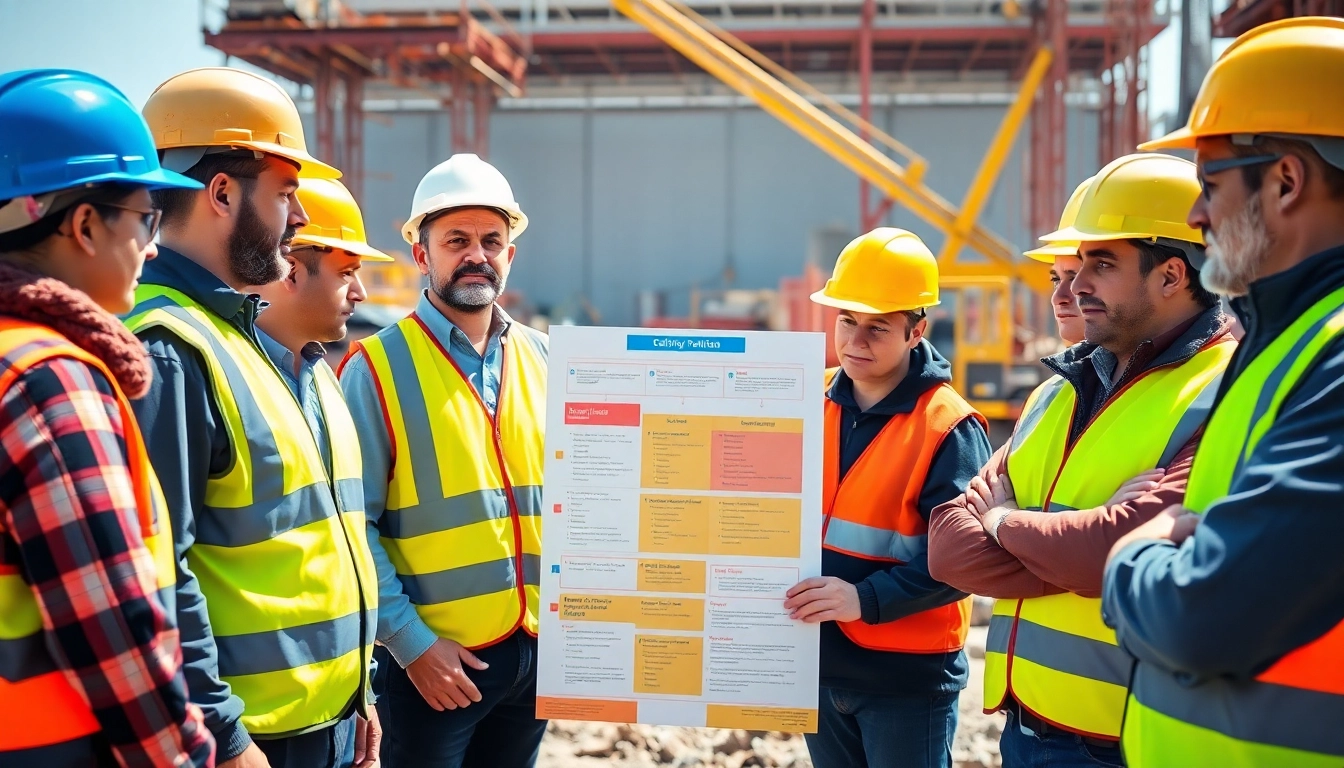
Construction sites are inherently hazardous environments, with numerous risks that threaten the safety and well-being of workers. Therefore, construction safety training has become paramount in promoting a culture of safety. This training not only safeguards employees from injuries but also ensures regulations are adhered to, enhancing overall operational efficiency. In this article, we will delve deeply into the various facets of construction safety training, exploring its significance, core components, and implementation strategies.
Defining Construction Safety Training
Construction safety training refers to educational programs designed to instruct workers on safety protocols, hazard identification, and risk mitigation on construction sites. This training encompasses various instructional methods, including classroom learning, hands-on demonstrations, and online courses. The ultimate goal is to equip workers with the knowledge and skills necessary to work safely, thereby reducing accidents and improving workplace safety standards.
Key Benefits for Workers and Employers
The benefits of robust construction safety training are multifaceted. For workers, it fosters awareness of potential hazards and teaches practical skills to avoid them, ultimately promoting a safer working environment. Employers also gain significantly, as effective training leads to lower accident rates which can reduce insurance costs and enhance productivity. Moreover, a reputation for prioritizing safety can improve employee morale and attract talent.
Overview of Industry Regulations
Construction safety training is often governed by various regulations set forth by organizations such as the Occupational Safety and Health Administration (OSHA). Standards require employers to provide safety training pertinent to the specific hazards workers may face. Familiarity with these regulations is crucial for employers seeking compliance, as failing to adhere can lead to significant penalties and increased risk of workplace accidents.
Components of Effective Construction Safety Training
Interactive Learning Methods
The effectiveness of construction safety training greatly increases when interactive methods are employed. Techniques such as simulations, role-play, and group discussions engage participants and facilitate a deeper understanding of safety practices. Interactive learning encourages workers to ask questions and share experiences, making the training process far more effective than traditional lectures.
Utilizing Real-Life Scenarios
Incorporating real-life scenarios into training sessions allows workers to relate safety practices to their specific jobs. Case studies of accidents or near-misses can illustrate the consequences of neglecting safety protocols. Furthermore, discussing these incidents fosters a culture of openness, encouraging workers to communicate safety concerns and learn from past mistakes.
Assessing and Certifying Training Outcomes
Measuring the effectiveness of training is crucial to ensure that workers retain and can apply the knowledge gained. Employers should implement assessments that test understanding and practical application of safety protocols. Certifications can serve as tangible proof of competency and commitment to safety, benefitting both the employee’s career and the employer’s safety record.
Common Hazards in Construction and Safety Protocols
Identifying Fall Hazards and Prevention Strategies
Falls are among the leading causes of injuries in construction. Identifying potential fall hazards—such as unguarded edges, scaffolding failures, and improper ladder use—is essential. Prevention strategies include using guardrails, proper scaffolding techniques, and mandatory harness usage when working at heights, as well as ensuring all workers are trained in these measures.
Electrical Safety in Construction Sites
Electrical hazards pose a significant risk on construction sites, where workers may encounter live wires or faulty equipment. Safety protocols include proper grounding and bonding of electrical systems, regular inspection of equipment, and using appropriate personal protective equipment (PPE). Training must emphasize the importance of recognizing electrical hazards to prevent serious injuries.
Proper Use of Personal Protective Equipment
Personal Protective Equipment (PPE) is vital in minimizing exposure to workplace hazards. Training should cover the correct usage of helmets, gloves, eye protection, and other essential gear. Workers must understand not only how to wear and maintain their PPE, but also when it is necessary, ensuring comprehensive protection against various risks.
Implementing a Construction Safety Training Program
Steps for Employers to Follow
Implementing an effective construction safety training program requires a systematic approach. Employers should begin by conducting a needs assessment to identify specific risks within their operations. Based on the assessment, they can develop tailored training content that addresses those risks and meets compliance mandates. Subsequently, scheduling regular training sessions and refresher courses is essential to maintain safety awareness.
Utilizing Resources and Tools Effectively
Employers can leverage various resources to enhance their training programs. Online platforms offer flexibility and access to a vast array of training modules that can augment traditional methods. Tools such as safety apps can also aid in real-time hazard reporting and communication. Furthermore, collaborating with certified safety trainers ensures that the training material is up-to-date and relevant.
Engaging Workers for Continuous Learning
Creating a culture that values safety starts with engagement. Encourage workers to participate actively in safety discussions and training sessions. Initiatives such as safety committees and suggestion programs can foster a sense of ownership and responsibility among employees. Continuous learning opportunities, like workshops and seminars, should be encouraged to keep safety at the forefront of operational priorities.
Evaluating the Effectiveness of Your Training Program
Understanding Performance Metrics
To gauge the effectiveness of a safety training program, employing performance metrics is essential. Metrics may include accident rates, near misses, and compliance audits. By analyzing these data points, employers can track improvements in safety culture and identify areas that require further attention or adjustment in training methodologies.
Gathering Feedback from Participants
Feedback from participants is invaluable in evaluating training effectiveness. Employers should solicit constructive feedback post-training to understand the participants’ perspectives about content relevance and engagement levels. Incorporating their insights can lead to improved training experiences and foster a greater commitment to safety practices among workers.
Making Continuous Improvements Based on Data
Using collected data and feedback, employers should continuously refine their training programs. This iterative process allows for adapting to new challenges and emerging risks in the construction industry. Regularly updating training materials ensures they remain relevant, compliant, and effective in promoting a culture of safety.
Frequently Asked Questions
What is the purpose of construction safety training?
The purpose of construction safety training is to educate workers about potential hazards on-site, prevent accidents, and ensure compliance with safety regulations, creating a safer work environment.
Who is responsible for providing construction safety training?
Employers are responsible for providing necessary construction safety training to their employees, ensuring they understand safety practices relevant to their job roles and site conditions.
How can training programs be made more effective?
Training programs can be made more effective by utilizing interactive methods, incorporating real-life scenarios, engaging workers in discussions, and regularly updating materials based on feedback and emerging trends.
How often should safety training be conducted?
Safety training should be conducted regularly, with initial training for new hires and refresher courses occurring at least annually or whenever new hazards are introduced in the work environment.
What are the consequences of inadequate safety training?
Inadequate safety training can lead to increased workplace accidents, injuries, legal penalties for non-compliance, and a negative impact on employee morale and productivity. Continuous training is vital for safety.