
Enhancing Workplace Safety: Effective Construction Safety Training Strategies
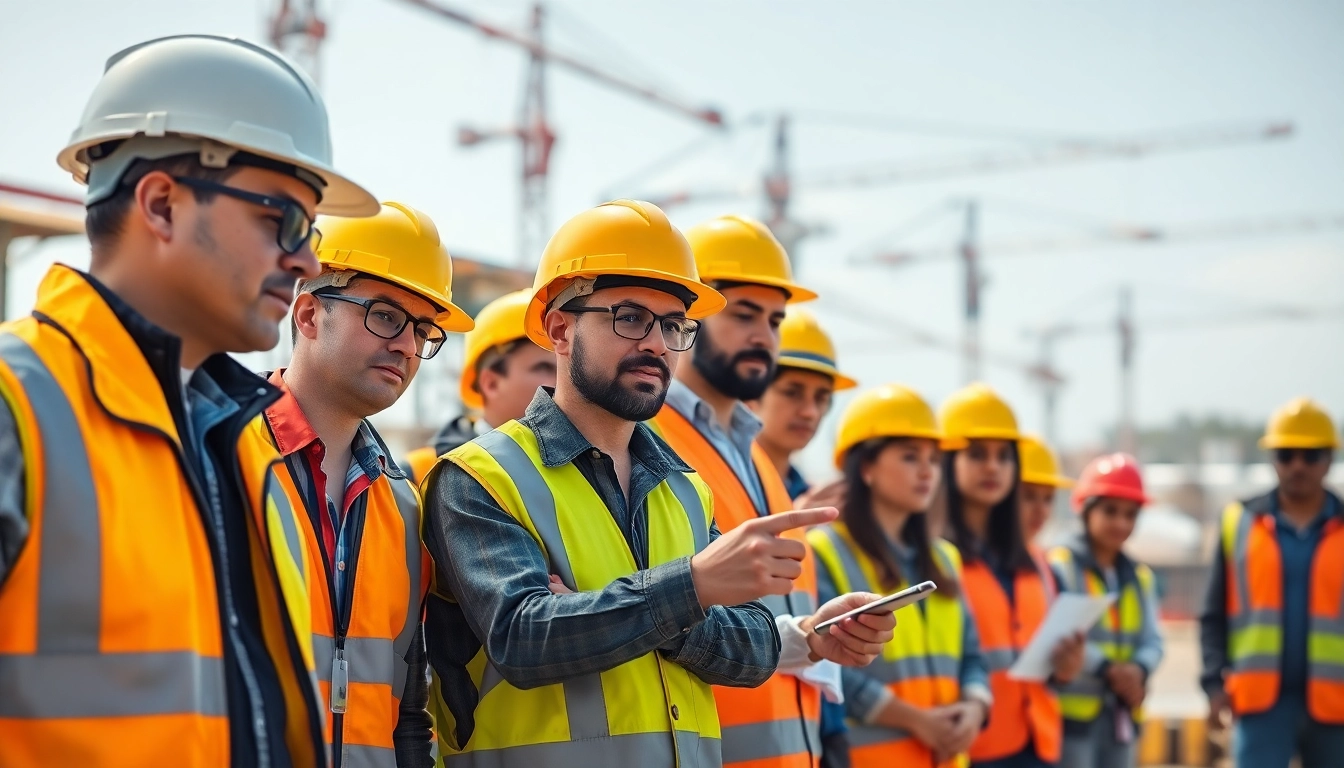
Understanding the Importance of Construction Safety Training
In the realm of construction, safety cannot be an afterthought. It is paramount for ensuring the welfare of workers, safeguarding the integrity of projects, and maintaining compliance with legal requirements. A well-structured construction safety training program goes beyond basic compliance—it fosters a culture of safety that permeates every level of the organization.
What is Construction Safety Training?
Construction safety training refers to the educational programs delivered to workers and management in the construction industry that highlight safety practices, hazard recognition, and risk management. The objective is to equip individuals with the knowledge and skills necessary to perform their jobs safely, minimizing the potential for accidents and injuries. It ranges from general awareness programs to in-depth training for specific hazards associated with particular tasks or environments.
Key Benefits of Construction Safety Training
Deploying a comprehensive construction safety training program offers multiple benefits:
- Reducing Workplace Incidents: Proper training can significantly lower the frequency of accidents and injuries on job sites.
- Legal Compliance: Most jurisdictions have regulations mandating safety training. Meeting these requirements protects both workers and employers from legal liabilities.
- Improving Productivity: A safe workplace fosters better morale and engagement, leading to enhanced productivity.
- Insurance Cost Reduction: Fewer accidents may lead to lower insurance premiums, providing financial benefits to companies.
- Enhancing Reputation: Organizations known for prioritizing safety are often more attractive to top talent and potential clients.
Legal Regulations and Requirements
Various governmental organizations regulate construction safety training, including the Occupational Safety and Health Administration (OSHA) in the United States. Compliance with these regulations not only protects workers but also reinforces the organization’s commitment to safety. Training must cover key areas like hazard communication, personal protective equipment (PPE), and emergency procedures to align with legal standards, ensuring both moral and legal obligations are met.
Types of Construction Safety Training Programs
General Safety Induction Training
General safety induction training is often the first exposure workers have to safety protocols on a construction site. This foundational training typically includes an overview of the company’s safety policies, emergency evacuation routes, and the types of protective equipment that must be used. It might also cover general workplace behaviors and responsibilities, helping employees understand their role in maintaining a safe work environment.
Specialized Training for Hazardous Tasks
Certain tasks within construction environments—such as operating heavy machinery, working at heights, or handling hazardous materials—require specialized training. Workers engaged in these activities must understand the specific risks involved and how to mitigate them effectively. This training often includes practical, hands-on sessions that prepare workers for the actual conditions they will face on the job.
Continuous Learning and Refresher Courses
Construction safety training should not be a one-time event but a continuous process. Regular refresher courses are essential to keep safety practices at the forefront of workers’ minds, adapting the training content to new technologies, regulations, or experiences learned from incidents on site. Continuous learning not only ensures compliance but reinforces a sustained commitment to safety across the workforce.
Key Components of an Effective Safety Training Program
Curriculum Development and Content Delivery
An effective safety training program starts with a well-structured curriculum tailored to the company’s specific needs. It should integrate industry standards, regulatory requirements, and the organization’s policies. The content can be delivered in various formats, including workshops, e-learning modules, or on-site demonstrations, to accommodate different learning styles.
Engaging Training Methods and Techniques
To ensure that training is effective, engagement is crucial. Trainers should leverage interactive techniques such as simulations, role-playing exercises, and group discussions. Incorporating multimedia resources—like videos and infographics—can also enhance understanding and retention of safety concepts, making the learning experience more dynamic and relatable.
Assessment and Feedback Mechanisms
For a safety training program to be effective, it needs a system of assessment and feedback. This could involve testing knowledge through quizzes or practical assessments to evaluate how well employees have absorbed the training content. Additionally, providing feedback to participants can encourage a culture of open communication regarding safety practices, enabling continual improvement.
Implementing Safety Training in the Workplace
Identifying Training Needs and Goals
Every construction site is unique, so it’s essential to conduct a thorough assessment of safety training needs prior to implementation. For example, identifying specific hazards present on site and understanding the various levels of expertise among workers will allow for targeted training that addresses those specific needs, ensuring that everyone is adequately prepared.
Scheduling and Logistics for Training Sessions
Effective scheduling and logistics are critical for the successful implementation of safety training. Consideration must be given to minimizing disruption to work activities while ensuring that all employees can attend the training sessions. This may involve flexible scheduling options, such as conducting training during less busy hours or utilizing online platforms to facilitate remote training for those unable to attend in person.
Cultural Shifts and Employee Participation
Developing a safety-conscious culture within the workplace requires buy-in from all employees, from upper management to frontline workers. Leaders must champion safety initiatives and encourage open dialogue about safety practices. Engaging workers in the development of safety protocols can also lead to increased ownership of safety responsibilities, fostering a collective commitment to maintaining a safe work environment.
Measuring the Success of Construction Safety Training
Performance Metrics and Indicators to Track
To gauge the effectiveness of construction safety training, organizations should establish clear performance metrics. These may include tracking incident and injury rates before and after training, evaluating employee engagement levels, and monitoring compliance with safety protocols. Developing a dashboard of these indicators can provide real-time data that informs ongoing training efforts.
Impact on Workplace Incident Reduction
One of the most significant indicators of successful construction safety training is the reduction in workplace incidents. Organizations should analyze trends in accident reports to assess whether training correlates with decreased injuries. A significant decline in workplace incidents can be a clear testament to the effectiveness of the implemented training programs.
Continuous Improvement and Adaptation Strategies
The construction industry is constantly evolving, presenting new challenges and risks. As such, continuous improvement of safety training programs is essential. Organizations should regularly review and adjust training content based on industry trends, regulatory changes, and feedback from workers to ensure that training remains relevant and effective. Adapting training efforts not only improves safety outcomes but also shows a commitment to employee welfare and development.
Frequently Asked Questions
1. What is the purpose of construction safety training?
The purpose of construction safety training is to equip workers with the skills and knowledge necessary to operate safely on job sites, minimizing risks and preventing accidents.
2. How often should safety training be conducted?
Safety training should be an ongoing process, with initial training for new hires and regular refresher courses to keep safety practices fresh in employees’ minds.
3. Are there specific regulations for construction safety training?
Yes, various regulations such as OSHA standards dictate the requirements for construction safety training, focusing on hazard awareness and safe work practices.
4. What are the benefits of specialized safety training?
Specialized training addresses specific risks associated with certain tasks, providing workers with detailed knowledge to prevent accidents and injuries.
5. How can I measure the effectiveness of safety training?
Effectiveness can be measured through performance metrics such as incident rates, employee feedback, and compliance with safety protocols, helping to gauge training success.