
Key Roles of a Residential Building Developer in Construction
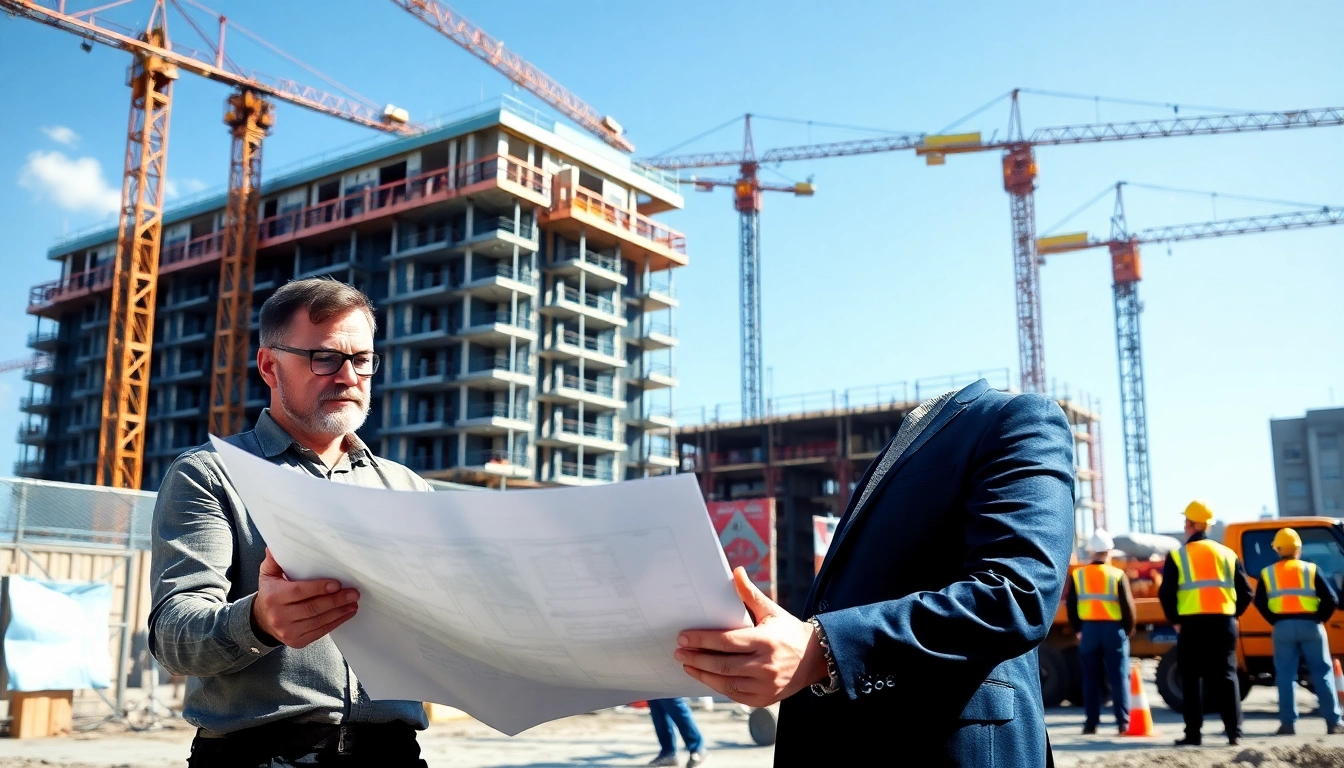
Understanding the Role of a Residential Building Developer
What is a Residential Building Developer?
A residential building developer is a professional responsible for the construction and marketing of residential properties. They take raw land and transform it into livable housing communities, which can include single-family homes, townhouses, condominiums, or apartment complexes. This process demands a combination of skills in real estate, finance, and project management. Residential building developers typically begin by acquiring land, either through purchase or leasing agreements, and then navigate complex zoning laws and planning approvals. Additionally, they work closely with architects, contractors, and other stakeholders to design and build the development.
In essence, a residential building developer plays a crucial role in addressing housing needs and shaping community development. Their work not only involves the physical construction of homes but also contributes significantly to the economic growth and urban planning of a region.
Post-Development Responsibilities
Once a residential building project is completed, the responsibilities of a developer do not end. Developers often engage in the following post-development activities:
- Property Management: Some developers opt to manage properties themselves. This includes maintaining buildings, dealing with tenant issues, and ensuring compliance with local regulations.
- Sales and Marketing: They frequently employ sales teams to market units, conduct open houses, and facilitate transactions.
- Community Engagement: Developers may continue to engage with the community to ensure that their projects meet residents’ needs and address any concerns that arise after project completion.
Key Skills Required
Being a successful residential building developer requires a diverse skill set, including the following:
- Project Management: The ability to coordinate multiple facets of a project from conceptualization to completion.
- Financial Acumen: Understanding financial statements, cost estimation, and securing financing for projects.
- Negotiation Skills: Negotiating with landowners, contractors, and government bodies is essential for successful outcomes.
- Market Insight: Knowing housing trends and consumer demands to create appealing developments.
- Regulatory Knowledge: Familiarity with zoning laws, building regulations, and environmental guidelines.
The Development Process Explained
Site Selection and Acquisition
The initial phase of residential development involves selecting a suitable site. Developers analyze various factors, including location, accessibility, zoning regulations, and proximity to essential amenities such as schools and shopping centers. Once a target site is identified, the developer must acquire the property. This may involve negotiations with landowners, conducting feasibility studies, and securing financing for the purchase.
Design and Planning Stages
Following acquisition, the developer enters the design and planning phase. This stage includes:
- Engaging Architects and Planners: Collaborating with professionals to create blueprints for the development.
- Community Consultation: Meeting with local stakeholders to gauge community input and address potential concerns.
- Permitting: Obtaining the necessary permits and approvals from local authorities, which can often be a time-consuming process.
Building and Management Phases
With design and planning completed, the construction phase begins. Key actions during this stage include:
- Hiring Contractors: Selecting skilled contractors who will carry out the construction work. This involves bidding processes and evaluations of past performances.
- Construction Oversight: Managing the construction process to ensure timelines are met, budgets are adhered to, and quality standards are upheld.
- Final Inspections: Once construction is complete, developers must facilitate final inspections to ensure compliance with building codes and standards.
Common Challenges Faced by Residential Building Developers
Site Assessment and Regulations
Developers often encounter challenges during site assessments, particularly regarding zoning restrictions and environmental regulations. Each site has unique characteristics that may complicate the development process. Failure to accurately assess these can lead to delays, budget overruns, or even project cancellations.
Budgeting and Financial Management
Budget management is another crucial challenge. Developers must create accurate budgets that account for all costs, from land acquisition to construction. Unexpected costs can arise at any point, and developers must be prepared to adjust their finances and seek additional funding when necessary. Rigorous budgeting practices and contingency planning help mitigate these risks.
Coordination with Contractors and Suppliers
Effective coordination with contractors and suppliers is vital for project success. Miscommunication can lead to delays and increased costs. Establishing clear lines of communication, regular check-ins, and comprehensive contracts can prevent many of these issues from arising.
Best Practices for Successful Development Projects
Engaging with Community Stakeholders
Community engagement is essential for the success of residential developments. Developers who proactively engage with community stakeholders can foster goodwill, gather valuable feedback, and address concerns before they escalate into issues. Holding public meetings and designing outreach programs are effective ways to communicate and collaborate with the community.
Implementing Sustainable Practices
Sustainability is increasingly important in residential development. Developers are encouraged to incorporate sustainable building practices, such as energy-efficient designs, renewable energy sources, and environmentally-friendly materials. Not only do these practices benefit the environment, but they also appeal to modern consumers who prioritize eco-friendliness.
Marketing the Finished Projects
Once construction is complete, effective marketing strategies become critical. Developing a strong brand presence, utilizing social media, and engaging in traditional marketing can attract potential buyers. High-quality visuals, virtual tours, and open houses help showcase the properties and the community.
Future Trends in Residential Building Development
Impact of Technology on Development
The integration of technology in residential development is transforming the industry. Innovations such as building information modeling (BIM), smart home technology, and construction robotics are enhancing efficiency and quality. Developers must stay abreast of these trends to remain competitive and meet buyer expectations.
Shifts in Consumer Preferences
Consumer preferences are continually evolving, with increasing demand for personalized and community-oriented living spaces. Developers that adapt to these trends through flexible designs and mixed-use developments can meet the changing needs of the market. Understanding demographics and lifestyle shifts is key to successful planning.
Regulatory Changes Affecting Housing Markets
Regulatory landscapes are constantly shifting, affecting housing markets. Developers need to monitor changes in land use policies, zoning laws, and building codes to ensure compliance and adapt their strategies accordingly. Engaging with local governments can help developers stay informed and influence policy positively.
Frequently Asked Questions
What does a residential building developer do?
A residential building developer oversees the entire process of creating residential properties, from land acquisition to final construction and occupancy.
What skills are essential for a residential developer?
Key skills include project management, financial acumen, negotiation skills, market insight, and regulatory knowledge.
How do residential developers manage budgets?
They create detailed budgets incorporating all project costs, constantly monitor expenses, and maintain contingency funds for unexpected costs.
What challenges do residential developers face?
Common challenges include regulatory hurdles, budget management, site assessments, and contractor coordination.
How is technology changing residential development?
Technology enhances efficiency through tools like BIM, smart home systems, and construction automation, improving quality and reducing costs.