
Beeswax vs. Petroleum-based leather dressings: Which is Best for Your Leather Care?
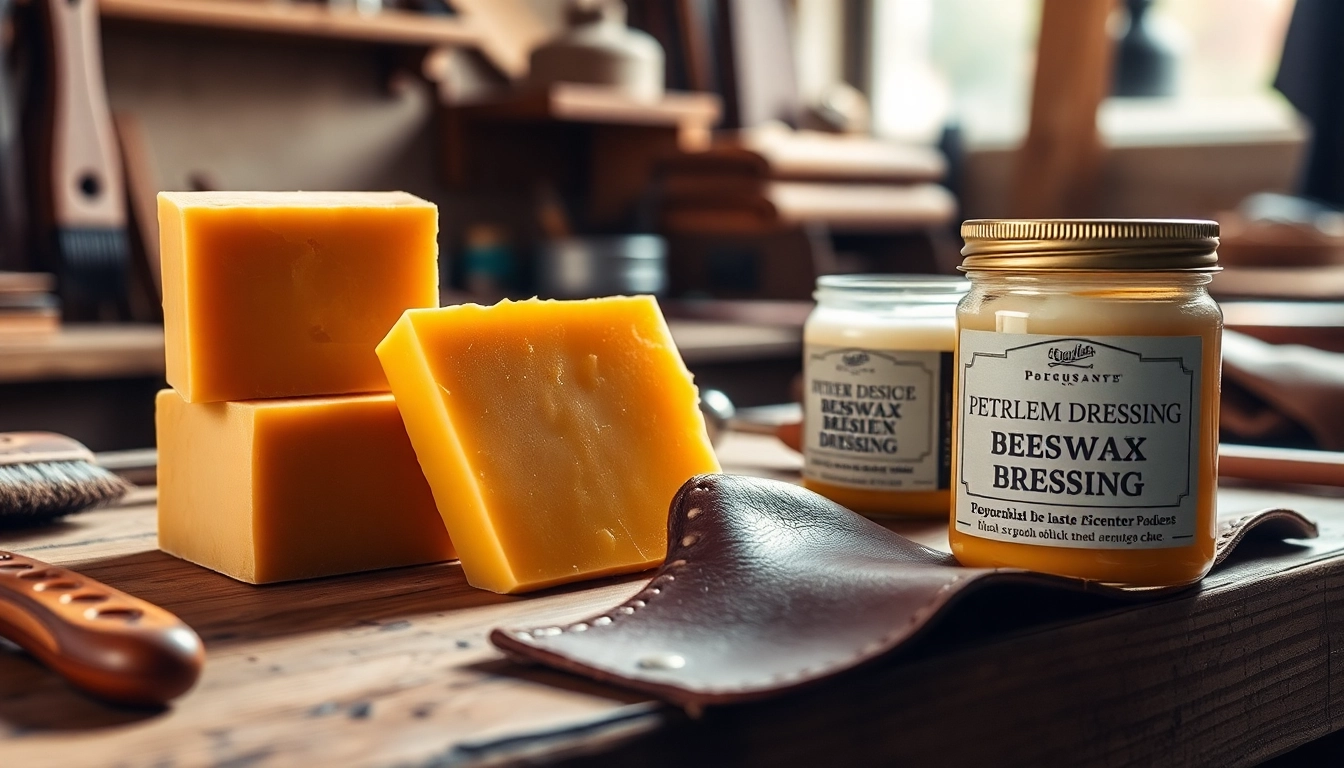
Understanding the Basics of Leather Conditioning
Leather conditioning is a crucial aspect of maintaining the quality and durability of leather goods. Whether it’s shoes, bags, or furniture, proper conditioning ensures that leather remains supple and resistant to environmental factors. In recent years, a debate has emerged regarding the effectiveness and safety of different leather dressings, particularly Beeswax vs. Petroleum-based leather dressings. Understanding the compositions, benefits, and drawbacks of these options is essential for any leather care enthusiast.
What are Leather Dressings?
Leather dressings are substances applied to leather items to preserve, protect, and enhance their condition. They serve multiple purposes, including:
- Moisture retention
- Protection against stains and dirt
- Enhancing the visual appeal and sheen
- Preventing cracking and drying out
Different types of dressings exist, with beeswax and petroleum-based options being among the most common. Both have their advocates and critics, making it important to delve deeper into their effects on leather.
The Composition of Beeswax vs. Petroleum-based Leather Dressings
Beeswax is a natural substance produced by bees from the nectar of flowers. Its composition includes:
- Fatty acids
- Long-chain alcohols
- Hydrocarbons
- Various esters
This combination of ingredients allows beeswax to act as an emollient and sealant, making it an excellent choice for leather conditioning.
In contrast, petroleum-based dressings typically contain mineral oil, paraffin, and other synthetic compounds. These ingredients provide lubrication and water resistance but may not offer the same beneficial properties for leather as beeswax. Furthermore, they can introduce potential risks associated with long-term exposure to chemical formulations.
How Each Type Affects Leather
Beeswax-based dressings penetrate the leather to a certain extent and provide a protective barrier, which is beneficial for retaining moisture and preventing dryness. The natural components of beeswax also inject some nutrients into the leather, helping to prolong its lifespan.
Pertaining to petroleum-based dressings, while they often provide immediate water resistance and gloss, their effects can lead to a buildup of chemicals in the leather over time. This buildup can cause stiffening, making the leather less flexible and resulting in cracks and wear.
Advantages of Beeswax for Leather Care
Natural Properties of Beeswax
One of the most compelling reasons to choose beeswax over petroleum-based leather dressings is its natural composition. As a completely organic product, beeswax is less likely to cause adverse effects on both leather and the surrounding environment. It reduces the risks associated with synthetic chemicals, making it a safer choice overall.
Moisture Retention and Longevity
Beeswax acts as a natural emollient, allowing leather to maintain its moisture content. This is crucial as leather can dry out and crack if not adequately hydrated. By forming a protective layer, beeswax helps to lock in moisture and nourish the leather, enhancing its longevity.
Eco-friendly Benefits
With increasing awareness around the environmental impact of products we use, beeswax stands out for its eco-friendly properties. Sourced from bees, it is biodegradable and renewable, making it a far more sustainable option than petroleum-based alternatives. Choosing beeswax is a step toward more responsible leather care practices.
The Drawbacks of Petroleum-based Leather Dressings
Chemical Composition Concerns
Petrroleum-based dressings often contain harsh chemicals that may not only be detrimental to the leather over time but also pose risks to the environment. Prolonged use can lead to harmful reactions in leather, causing deterioration of threads and seams.
Effects on Leather Flexibility
The chemical buildup from petroleum-based products can lead to stiffness in leather. This rigidity not only affects the appearance of leather but also its functionality, especially in items like shoes and apparel where flexibility is paramount.
Environmental Impact
Petroleum-based products are derived from fossil fuels, contributing to ecological damage through extraction and processing. Using these products perpetuates reliance on non-renewable resources, raising sustainability concerns that beeswax does not encounter.
Application Techniques for Optimal Results
Applying Beeswax Effectively
To get the best results when using beeswax for leather care, follow these steps:
- Clean the leather surface to remove dirt and grime.
- Warm the beeswax slightly to soften it.
- Use a soft cloth to apply a thin layer evenly across the leather surface, focusing on seams and high-wear areas.
- Allow it to penetrate the leather, then buff with a clean cloth to achieve a shine.
Best Practices for Petroleum-based Dressings
Should you choose a petroleum-based dressing, application should also be approached carefully:
- Ensure the leather is clean and free from contaminates.
- Apply a small amount of the product with a cloth, spreading it evenly.
- Allow it to sit for a few minutes for better absorption.
- Wipe away any excess to avoid a greasy residue.
Combining Techniques for Superior Care
In some cases, users opt to mix beeswax with a small amount of oil (such as olive oil or neatsfoot oil) to enhance its application ease. This hybrid approach leverages the benefits of both beeswax and oil, maximizing hydration while ensuring a smooth application.
FAQs about Beeswax vs. Petroleum-based Leather Dressings
1. Should I switch to beeswax for my leather items?
Switching to beeswax is advisable if you’re seeking natural ingredients for moisture retention and protection, avoiding harmful chemicals.
2. Can petroleum-based dressings damage my leather?
Yes, prolonged use can lead to stiffness and degrade leather quality due to chemical residue buildup over time.
3. How do I effectively apply beeswax to leather?
Warm it slightly, then use a soft cloth to spread evenly, focusing on seams and areas of high wear.
4. Is beeswax suitable for all types of leather?
Yes, beeswax works for various leather types; however, always test on a small area first for best results.
5. How often should I condition my leather with beeswax?
Condition every 6 months or when it appears dry or loses its natural luster for optimal results.