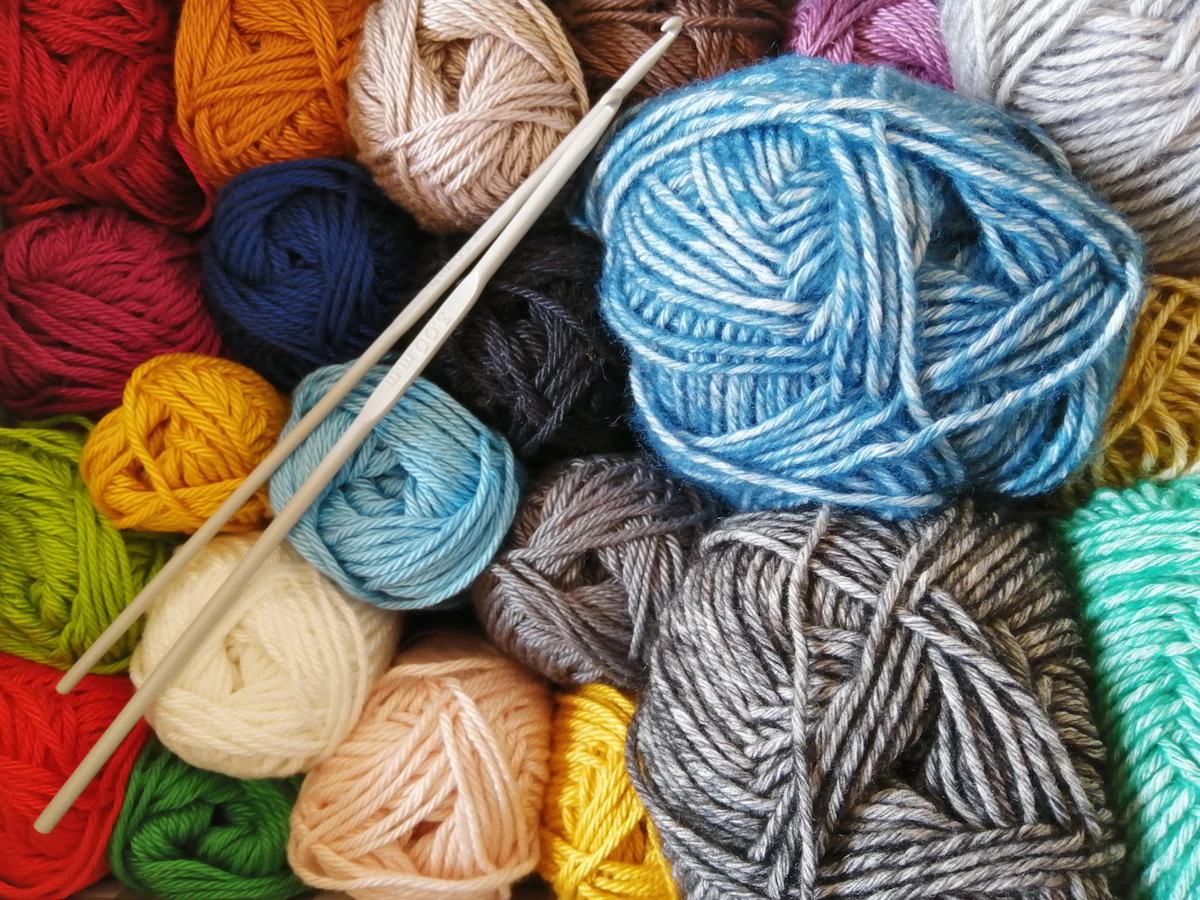
A chunky scarf is one of the kindest first knitting projects, because it uses a single stitch repeated in every row and still looks wonderfully textured. Thick yarn grows quickly, so you can see real progress in one sitting, and small uneven stitches simply blend into the cosy fabric. If you can hold two needles and make one basic stitch, you already have everything this scarf requires.
Choose a chunky yarn that feels soft against your neck and needles that match the size suggested on the yarn label. Smooth, light-coloured yarn makes it easier to see your stitches while you learn, while very dark or fuzzy yarn can hide mistakes and make counting harder. Wind the yarn into a ball if needed, and keep it in a bowl beside you so it does not roll away mid-row.
Cast On and Keep Your Tension Relaxed
Cast on a comfortable number of stitches for the width you want, keeping the loops loose enough to slide along the needle without forcing them. Tight cast-on rows are a common beginner frustration, because they make the first knitted rows stiff and hard to work. Count your stitches after casting on, and again after a few rows, so an accidental increase or decrease is caught early rather than discovered at the end.
Knit every row in the same way, and try to keep an even, relaxed tension rather than pulling each stitch tight. Your hands will find a rhythm after a while, and the fabric will become more even as you practise. If a row feels tangled or tense, pause, stretch your hands, and continue when you feel calm again. Knitting should feel steady and pleasant, not like a race.
Finish Neatly and Fix Small Mistakes
When the scarf reaches the length you like, cast off loosely so the end matches the stretch of the rest of the fabric. Weave the yarn tails into the edge with a blunt needle, following the path of nearby stitches so the ends disappear. A gentle wash or steam, following the yarn label, can even out the stitches and soften the finished scarf.
If you drop a stitch, do not panic and do not unravel everything at once. Stop, look closely at the loose loop, and use a crochet hook or a needle tip to work it back up through the rows above it. Most small slips are easy to rescue, and a rescued stitch is part of learning, not a flaw to hide. For more beginner-friendly ideas, see How to Paint a Simple Abstract Canvas for Beginners and How to Paint a Plain Plant Pot With Simple Stripes and Dots.