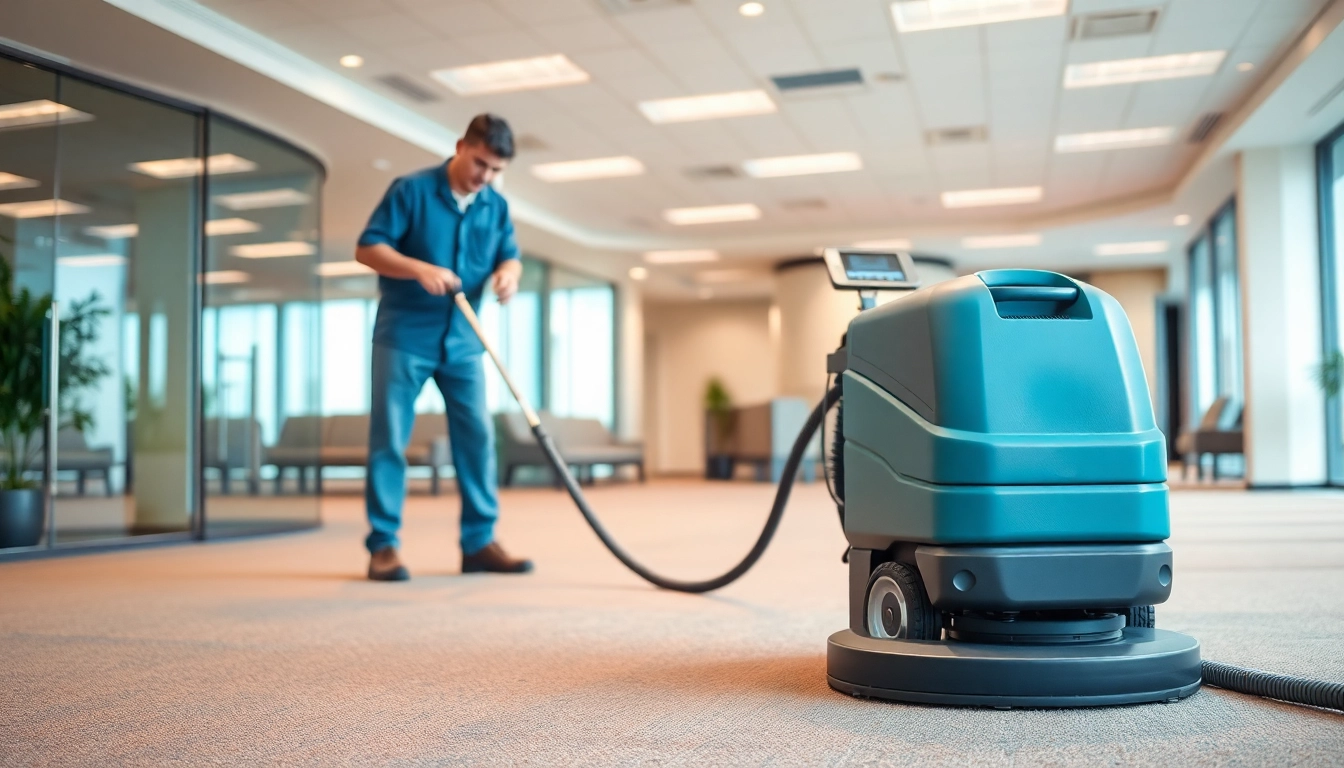
Understanding Commercial Carpet Cleaning
What is Commercial Carpet Cleaning?
Commercial carpet cleaning refers to the process of maintaining and cleaning carpets in commercial spaces such as offices, hotels, and retail stores. Unlike residential carpet cleaning, it often involves larger areas, higher foot traffic, and a need for specialized equipment and products. Commercial carpet cleaning aims to enhance the appearance of carpets, extend their lifespan, and contribute to a healthier environment for employees and customers alike.
Importance of Regular Carpet Maintenance
Regular carpet maintenance is essential for several reasons. Firstly, it helps in maintaining a clean work environment, which positively impacts employee productivity and client impressions. Studies have shown that a clean and well-maintained office leads to decreased absenteeism and enhanced morale among staff. Moreover, regular cleaning removes allergens, dust mites, and bacteria, promoting better indoor air quality.
Additionally, regular carpet cleaning can save businesses money in the long run. By preventing dirt and grime buildup, carpets last longer, reducing the need for costly replacements. It’s also a key factor in protecting the investment that businesses place in their flooring.
Common Commercial Carpet Types
Understanding the types of carpets used in commercial settings is vital for effective cleaning strategy. Common types include:
- Loop Pile Carpets: Known for their durability, these carpets are great for high-traffic areas.
- Cut Pile Carpets: Softer and more luxurious, these are often used in executive offices and waiting areas.
- Berber Carpets: They are resilient and stain-resistant, making them ideal for heavy-use areas.
- Needle Felt Carpets: Common in commercial applications, these provide acoustic benefits and are often used in offices and conference rooms.
Techniques for Effective Cleaning
Hot Water Extraction vs. Dry Cleaning
When it comes to carpet cleaning methods, two of the most popular are hot water extraction and dry cleaning. Hot water extraction, often known as steam cleaning, uses hot water and cleaning solution injected into the carpet fibers to dissolve dirt and stains, which are then extracted with powerful vacuums. This method is highly effective for deep cleaning and is recommended for carpets that have high soil levels.
Dry cleaning, on the other hand, employs cleaning products that require little moisture. These products are applied to the carpet and agitated to loosen soil, then vacuumed away. This method is ideal for delicate carpets or situations where drying time must be minimized.
Leveraging Advanced Cleaning Equipment
Utilizing advanced cleaning equipment maximizes cleaning efficiency. Machines such as truck-mounted systems for hot water extraction and specialized rotary extractors for dry cleaning techniques can provide superior results compared to traditional methods. Innovations such as encapsulation technology help in capturing soil and preventing re-soiling, allowing carpets to look cleaner longer. Investing in quality equipment not only enhances cleaning effectiveness but also can lead to improved carpet lifespan.
Eco-Friendly Cleaning Solutions
In today's environmentally conscious world, the use of eco-friendly cleaning solutions is increasingly important. These products reduce chemical residues and offer safe options for carpets, protecting both the environment and the health of occupants. Market trends show a rise in biodegradable detergents and ‘green’ certification for cleaning services, reflecting a growing consumer preference for sustainable practices. Businesses can demonstrate corporate responsibility while potentially appealing to a broader clientele who value sustainability.
Choosing the Right Carpet Cleaning Service
Assessing Service Provider Qualifications
When selecting a carpet cleaning service, it's essential to assess the qualifications of potential providers. Look for certifications from recognized organizations such as the Institute of Inspection, Cleaning and Restoration Certification (IICRC). Additionally, inquire about their experience and expertise in handling commercial spaces, as specialized knowledge can lead to better results.
Furthermore, check for insurance and bonding. This not only protects your business in the event of accidents but also indicates that the company values professionalism.
Key Questions to Ask Potential Services
Before finalizing a carpet cleaning service, asking the right questions can make a significant difference. Consider inquiring about:
- What cleaning methods do you use, and why?
- Do you offer any guarantees for your work?
- Can you provide references or customer testimonials?
- What is your estimated time for completion?
- How do you handle stains or difficult cleaning challenges?
These questions will help you gauge the provider’s suitability for your needs and ensure peace of mind.
Comparing Costs and Services
The cost of carpet cleaning can vary significantly based on service providers, the square footage to be cleaned, and the specific cleaning method used. It’s useful to get multiple quotes to understand the market rate. However, beware of extremely low bids, which may indicate cutting corners in service quality. Focus on finding a service that offers value for the investment, considering factors such as quality assurance, technician expertise, and equipment used.
DIY vs. Professional Carpet Cleaning
When to Consider DIY Cleaning
DIY carpet cleaning may be suitable for minor spotting and maintenance. Homeowners or small businesses often opt for renting carpet cleaners or using portable machines for touch-ups. Simple spills and stains can often be managed with homemade solutions, which can be effective for proactive maintenance.
However, it’s crucial to understand the limitations of DIY methods, particularly for larger areas or chronic stains. In situations where carpets have significant dirt buildup or require specialized cleaning, professional services are usually recommended.
Benefits of Professional Services
Choosing a professional carpet cleaning service comes with various benefits. They possess advanced cleaning equipment, employ trained professionals, and utilize specialized techniques tailored for different carpet types. Professionals ensure thorough cleaning that eliminates embedded dirt and allergens, significantly improving air quality in commercial spaces.
Furthermore, regular professional cleaning can extend the lifespan of carpets, saving businesses money on long-term replacement costs. Overall, professional services provide peace of mind and guarantee a level of clean that surpasses typical DIY methods.
Combining Both Approaches
Many businesses find success by combining DIY maintenance with professional services. Routine vacuuming and immediate stain treatment can be effectively managed in-house, while deep cleaning can be scheduled with a professional service periodically. Establishing a maintenance schedule, paired with professional assessments, creates a comprehensive approach that keeps carpets looking their best over time.
Measuring Cleaning Effectiveness
Evaluating Carpet Appearance Over Time
To measure the effectiveness of commercial carpet cleaning, businesses should monitor carpet appearance over time. Regular inspections can help identify areas of wear or dirt accumulation. Keeping a log of cleaning dates and observed improvements can gauge the benefits of regular maintenance and highlight the need for further intervention when necessary.
Understanding Client Feedback and Retention
Gathering client feedback can provide invaluable insights into the effectiveness of carpet cleaning services. Consider conducting surveys or soliciting informal feedback to gauge satisfaction levels. Positive feedback can support continuous business, while negative comments provide opportunities for improvement. Retention metrics can illustrate how well cleaning services meet expectations and contribute to overall business performance.
Tracking Maintenance Costs and Outcomes
Businesses should track maintenance costs and their outcomes to assess the value of carpet cleaning efforts. Keeping detailed records of cleaning expenses, alongside the longevity and condition of the carpets, helps make informed decisions about cleaning frequency and service provider options. This data-driven approach can optimize budget allocations and improve maintenance strategies.
FAQs About Commercial Carpet Cleaning
1. How often should commercial carpets be cleaned?
Typically, commercial carpets should be professionally cleaned every 6 to 12 months, depending on foot traffic. High-traffic areas may require more frequent cleaning.
2. What are the benefits of professional carpet cleaning?
Professional carpet cleaning extends carpet life, improves indoor air quality, and ensures thorough removal of dirt and allergens, contributing to a healthier workplace.
3. Can all types of carpets be cleaned?
Most types of commercial carpets can be cleaned. However, it's crucial to choose the appropriate method based on the carpet's material and construction to avoid damage.
4. Is eco-friendly cleaning as effective as traditional methods?
Yes, eco-friendly cleaning solutions have become highly effective and provide a safe alternative without compromising cleaning power or results.
5. What should I do if a stain reappears after cleaning?
Reappearing stains can indicate that dirt was not fully removed or residue was left behind. Contact the cleaning service for guidance; they may need to revisit the area.