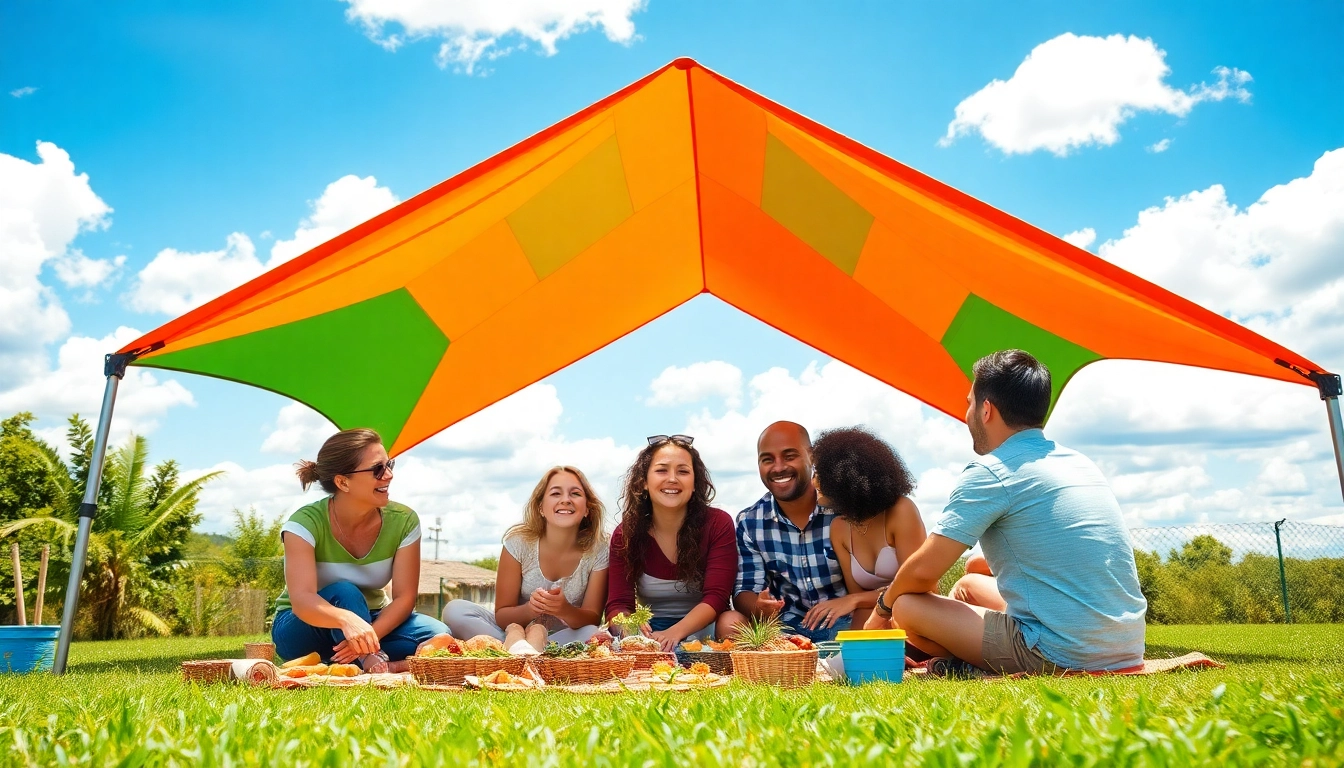
Introduction to Canopy Tent
When planning an outdoor event, whether it be a wedding, picnic, or corporate gathering, one essential item to consider is the canopy tent. This versatile structure can provide shade, shelter from rain, and a designated area for guests. Understanding the different aspects related to canopy tents can significantly enhance the experience for both organizers and attendees.
What is a Canopy Tent?
A canopy tent is a temporary structure designed to provide shelter from environmental elements, such as sun, rain, and wind. Typically, these tents feature a fabric canopy supported by a frame made from lightweight materials, including aluminum or steel. The purpose of a canopy tent is not only functional—it adds aesthetic value to events, transforming an ordinary space into an inviting area suitable for gatherings.
Why Use a Canopy Tent?
There are numerous reasons to use a canopy tent at your event. First and foremost, it offers protection against the weather. A well-designed canopy can shield guests from the sun's harsh rays during a summer event or keep them dry if unexpected rain occurs. Moreover, canopy tents are highly versatile; they can be set up in various locations, making them ideal for beaches, parks, or outdoor venues. Finally, setting up a canopy tent can create a defined space for activities, ensuring comfort and organization for guests.
Types of Canopy Tents
Canopy tents come in various styles and designs, each serving distinct purposes. Here are a few popular types:
- Pop-Up Canopy Tents: These are easy to set up and are ideal for casual events or outdoor markets. Their foldable design allows for quick assembly and disassembly.
- Frame Tents: With a sturdy steel or aluminum frame, these tents provide excellent support and stability, suited for larger and more formal events.
- Pole Tents: These tents utilize center poles for stability and come with high canopies, which can create an elegant look for events like weddings.
- Backyard Canopies: Designed for home use, these structures often serve as an extension of living space during summer BBQs and gatherings.
Factors to Consider When Buying a Canopy Tent
Choosing the right canopy tent requires careful consideration of several factors to ensure it meets your needs and provides optimum functionality.
Size and Space Requirements
The size of the canopy tent is one of the most crucial factors determining its suitability for your event. Depending on the number of anticipated guests, the dimensions needed can vary significantly. Standard sizes include 10 x 10 feet for smaller gatherings and up to 20 x 40 feet for more significant events. Additionally, it is essential to consider the layout of the venue and how much space you have available. Ideally, choose a tent that allows enough room for tables, chairs, and any additional equipment you may need.
Material and Durability
The material of the canopy tent directly affects its durability and performance. Canopy fabrics are typically made of polyethylene, vinyl, or canvas. Polyethylene is lightweight and water-resistant, while vinyl is heavier and better at keeping moisture out. Canvas offers breathability, making it a suitable option for summer events. Additionally, check the frame materials; aluminum is lighter and rust-resistant, while steel is heavier but offers greater durability.
Weather Resistance Features
Understanding the weather resistance features of a canopy tent is critical for its effectiveness. Look for tents with UV protection to shield guests from harmful rays. Waterproof canopies with sealed seams will prevent rain from leaking through, ensuring that the event remains enjoyable regardless of the weather conditions. The structure's anchoring system is also important to ensure stability during windy conditions; choose a tent with additional weight bags or stakes for enhanced security.
Setting Up Your Canopy Tent
The success of your event heavily relies on the proper setup of your canopy tent. Below are key considerations for efficient assembly and safe placement.
Preparation and Location Selection
Before setting up your canopy tent, proper preparation is critical. Select a location that is level and free from obstructions such as trees, branches, and sharp objects that could damage the tent. It's advisable to stake the area ahead of time, ensuring you have ample space for additional activities. Additionally, considering the direction of the sun can help in placing the tent strategically for maximum shade throughout the day.
Assembly Tips for Beginners
For those unfamiliar with setting up a canopy tent, follow these essential assembly tips:
- Read the instructions provided with your tent thoroughly; understanding the pieces before beginning simplifies the process.
- Enlist a few helpers to assist with lifting and holding the tent during setup.
- Always secure the frame before attaching the canopy to prevent accidental collapses.
- Ensure all sides are taut and the tent is properly anchored to avoid flapping in the wind.
Safety Considerations
Safety should never be compromised during the setup of your canopy tent. Be mindful of weather conditions; high winds can pose a safety hazard. If wind speeds are expected to exceed 20 mph, postpone setup. Additionally, use sandbags or other anchoring methods to secure the structure firmly. Ensure pathways are clear of tripping hazards to maintain safety for your guests.
Maintaining Your Canopy Tent
Once your canopy tent is set up and the event is complete, proper maintenance is key to extending its lifespan. Follow the practices outlined below to care for your tent.
Cleaning and Storage Practices
Cleaning your canopy tent helps prevent mold and mildew while preserving the fabric's integrity. After each use, remove debris, wipe down surfaces, and let the tent dry completely before folding. Store in a cool, dry place away from direct sunlight to avoid fabric deterioration.
Repairing Common Issues
Over time, wear and tear can lead to minor damages like small tears or broken frame pieces. Most of these issues can be repaired easily:
- Use a patch kit available at outdoor supply stores for fabric repairs.
- Replace broken frame components with compatible parts.
- Store the tent properly to minimize potential future damages.
When to Replace Your Canopy Tent
Recognizing when to replace your canopy tent can save you from unexpected failures during important events. Signs it may be time for a new tent include persistent leaks, fraying fabric, rusted or broken frame components, and signs of mold or mildew that cannot be cleaned. Regular inspections after use can help identify these issues early on.
Frequently Asked Questions
What size canopy tent do I need for my event?
The size required depends on the number of guests. A 10 x 10 feet tent typically accommodates 4-6 people, while larger events may need 20 x 40 feet tents or bigger.
Can I use my canopy tent in windy conditions?
It's not recommended to use a canopy tent in high winds. Wind speeds over 20 mph can pose a risk of failure, so ensure it's securely anchored or postpone setup during such weather.
How do I clean my canopy tent?
Gently clean your canopy tent using mild soap and water. Avoid harsh chemicals that may damage the fabric. Let it dry completely before folding and storing.
What materials are best for outdoor canopy tents?
Polyester, vinyl, and canvas are popular materials. Vinyl offers the best waterproof attributes, while polyester is lightweight. Canvas is breathable, making it ideal for summer use.
How long does a canopy tent typically last?
The lifespan of a canopy tent varies by usage and material. High-quality tents may last 5-10 years with proper care, whereas cheaper models might last only a few seasons.