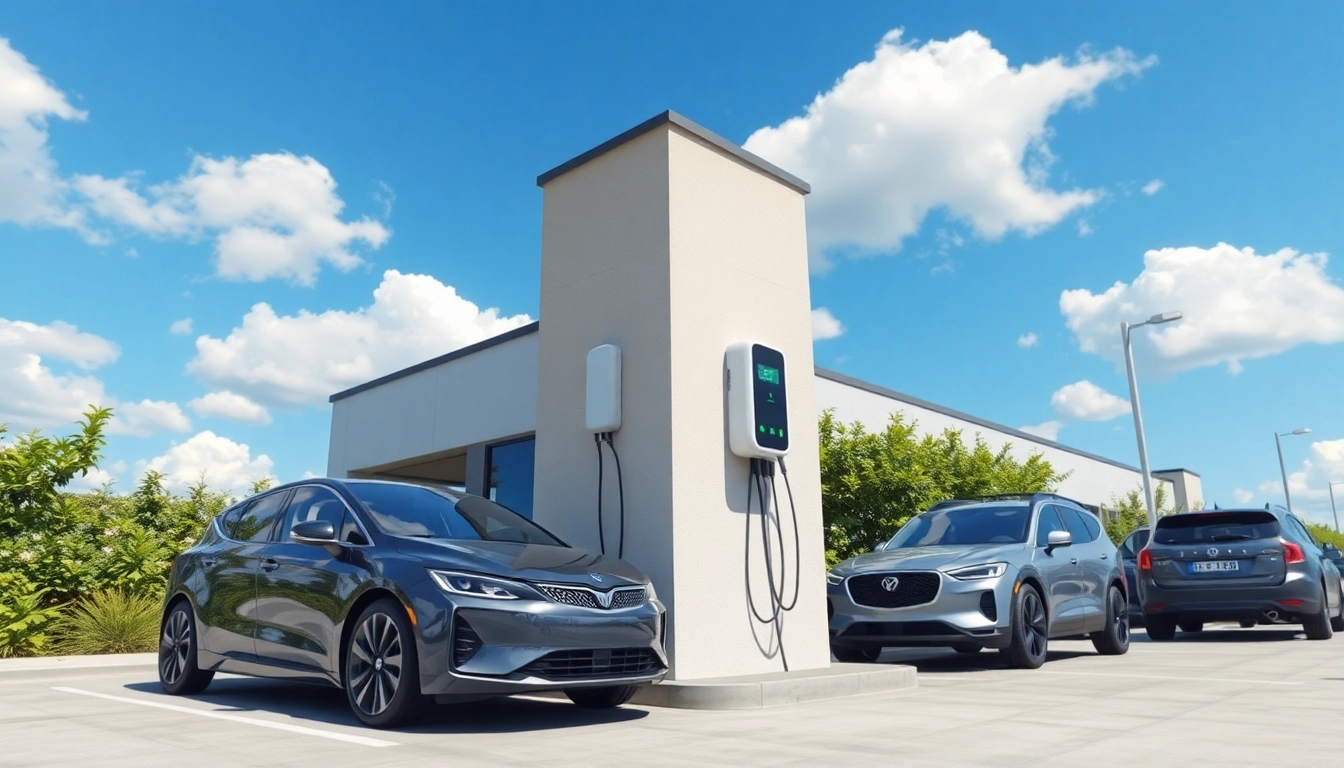
Understanding EV Charging Installation
What is EV Charging?
Electric Vehicle (EV) charging refers to the process of replenishing the electric energy stored in the batteries of electric vehicles. This is achieved through the use of specialized equipment known as EV charging stations or chargers. These stations come in various formats, offering different charging speeds and connections tailored to specific vehicle models. EV charging is essential for the continued growth of electric vehicle adoption, as it addresses concerns around range anxiety and infrastructure availability.
Types of EV Charging Stations
In the realm of EV Charging Installation, understanding the different types of charging stations is crucial. There are primarily three levels of EV charging stations:
- Level 1: Utilizes a standard 120-volt outlet and is ideal for residential setups. This method is typically the slowest, taking 8-12 hours for a full charge.
- Level 2: Operates on a 240-volt outlet and significantly reduces charging time, making it suitable for both residential and commercial installations, providing a full charge in about 4-6 hours.
- DC Fast Charging: This station uses direct current to allow rapid charging, delivering 80% charge in 30 minutes or less. It's primarily used in public charging networks due to its high power needs.
Benefits of EV Charging Installation
Integrating EV charging stations into a property offers numerous benefits:
- Enhances property value by providing modern amenities.
- Attracts eco-conscious customers and residents.
- Allows businesses to stand out by offering charging options on-site, encouraging longer visits.
- Promotes sustainability and reduces carbon footprints.
Planning Your EV Charging Installation
Assessing Site Requirements
Before initiating an EV charging installation, it is imperative to conduct a thorough site assessment. This includes evaluating physical space for the charging equipment, electrical capacity, accessibility for vehicles, and local zoning and code requirements. Each of these factors plays a significant role in the overall feasibility and execution of the installation project.
Identifying Electrical Needs
Understanding the electrical requirements for your EV charging installation is essential. Determine the power supply capacity available at your site. This will help you decide whether a Level 1, Level 2, or DC Fast Charging station is appropriate. Collaborating with a qualified electrician can help analyze existing circuits, and to calculate potential load requirements effectively.
Permits and Regulations
Compliance with local building codes and regulations is vital for any EV charging installation. Many jurisdictions require permits to ensure that installations are safe and up to code. Always check with local authorities early in the planning process to gather the necessary permits and adhere to guidelines, avoiding potential delays or fines.
Choosing the Right EV Charging Station
Level 1 vs. Level 2 Charging Stations
The choice between Level 1 and Level 2 charging stations largely depends on usage patterns. Level 1 is suited for situations where vehicles will park for extended periods, while Level 2 is more effective for quicker turnaround times. For commercial applications, Level 2 chargers are generally preferred due to their efficiency in handling more frequent use and providing quicker service.
Factors to Consider for Selection
When selecting an EV charging station, consider the following:
- Charging speed and type of EVs supported.
- Location and accessibility for users.
- Cost of installation, including electrical upgrades if necessary.
- Integration with energy management systems for optimal performance.
Cost Considerations for Installation
The cost of installing EV charging stations can vary dramatically depending on several factors, including site requirements, permits, equipment, and whether you choose a professional installer or opt for DIY. Generally, costs can range from $500 to $2500 or more for installation, heavily reliant on complexity and charging needs.
Installation Process for EV Charging Stations
Step-by-Step Installation Guide
Implementing a successful EV charging installation involves several steps:
- Conduct a site assessment and finalize requirements.
- Choose the appropriate charging station based on usage.
- Obtain necessary permits from local authorities.
- Hire a licensed electrician or contractor to perform the installation.
- Test the installation to ensure compliance and functionality.
Hiring Professionals vs. DIY
While DIY installation may seem cost-effective, hiring professionals ensures the job is completed safely and to code. Professionals have the expertise to navigate complex electrical systems and regulatory requirements, ultimately providing a level of assurance that is hard to replicate in DIY projects. However, if the expertise is available in-house and local regulations permit, DIY can be an option.
Common Pitfalls to Avoid
When undertaking an EV charging installation, certain pitfalls should be avoided, such as:
- Neglecting to consult professionals on electrical requirements.
- Failing to secure appropriate permits.
- Choosing a charging station without considering user needs and vehicle compatibility.
- Overlooking the potential need for future upgrades.
Maintaining and Upgrading Your EV Charging Installation
Regular Maintenance Essentials
To ensure your EV charging station remains operational and safe, routine maintenance is required. This typically includes:
- Regular inspections of hardware connections.
- Software updates for any integrated systems.
- Cleaning of charging ports and facilities to maintain usage standards.
Upgrading Charging Stations
As the EV market evolves, so will the need for upgraded charging stations. Keep an eye on technological advancements, considering installations that allow for easy upgrades in the future. Replacing outdated systems can enhance efficiency and provide better options for users.
Future-Proofing Your Installation
To future-proof your EV charging installation, consider integrating smart technology that can adapt to changes in demand or charging trends. Investing in scalable solutions now can save time and money down the road as EV technology continues to advance. Think about incorporating renewable energy, like solar, to create a sustainable charging solution, thereby mitigating costs and enhancing green credentials.
Online FAQs about EV Charging Installation
1. What is the average cost of EV Charging Installation?
The average cost varies based on the charging station type and installation specifics, typically ranging from $500 to $2,500.
2. How long does EV Charging Installation take?
Installation can take from a few hours to a couple of days, depending on site readiness and local regulations.
3. Do I need a permit for EV Charging Installation?
Permits may be required depending on local laws and the complexity of the installation. Check with local authorities.
4. Can I install an EV charging station in my garage?
Yes, installing an EV charging station in your garage is common and requires proper electrical setup.
5. What maintenance is needed for EV Charging Stations?
Routine checks on connections, hardware, and software updates are essential for optimal performance and safety.