Introduction to Kitchen Worktop Materials Comparison
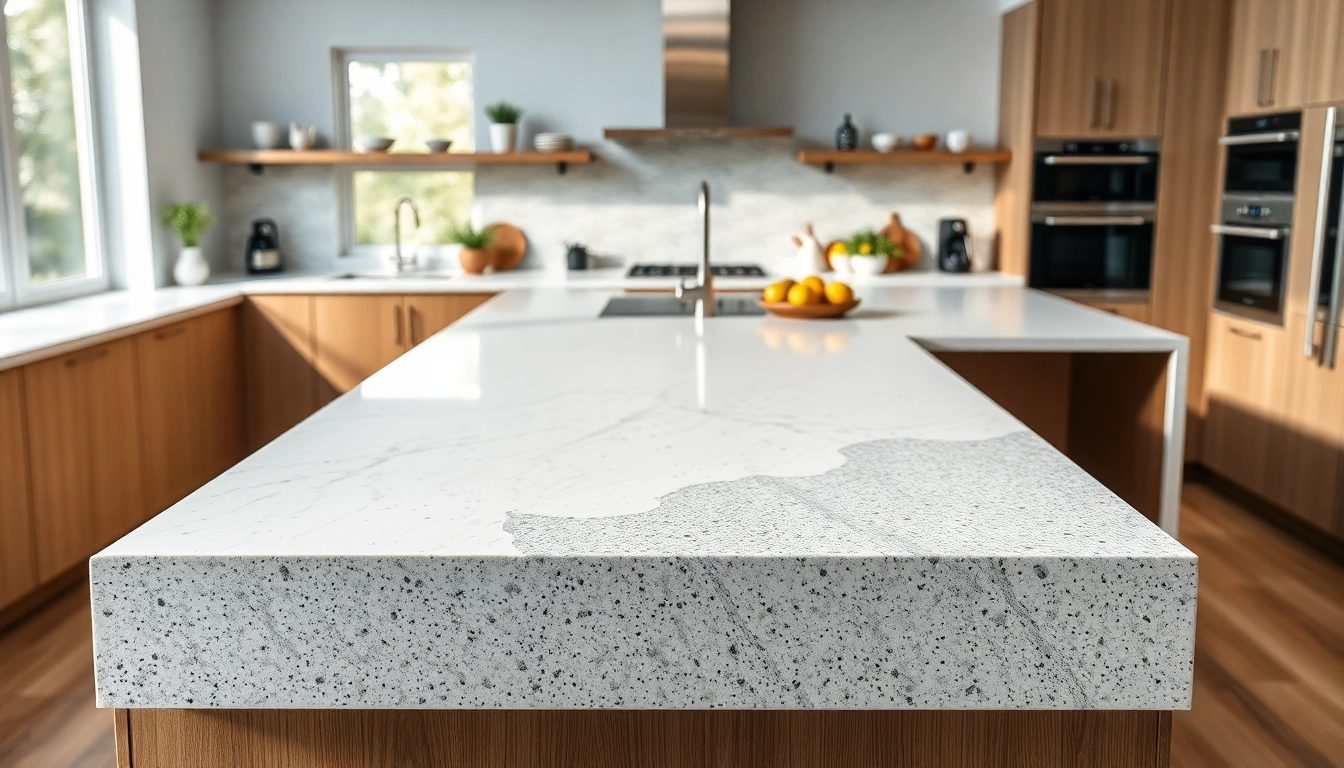
Choosing the right kitchen worktop is crucial for functionality, durability, and aesthetic appeal. This Kitchen Worktop Materials Comparison delves into various materials, helping you make informed decisions tailored to your kitchen needs. Whether you're crafting a modern culinary space or renovating an existing one, understanding the characteristics, advantages, and disadvantages of various worktop materials is essential.
Understanding Worktop Material Types
The kitchen worktop market is populated with diverse materials, each offering unique qualities. These include granite, quartz, laminate, and hardwood, to name a few. The selection often depends on factors such as budget, style preferences, and intended use. Understanding these materials is the first step in making an informed choice.
Importance of Material Choices
Choosing the right material impacts your kitchen's functionality and long-term value. Each material offers different levels of durability, maintenance, and aesthetic appeal, which can significantly affect your cooking experience and home resale value. Understanding these choices will help you find a balance between beauty and pragmatism.
Overview of Aesthetic and Functional Factors
Aesthetic factors include color, texture, and overall visual appeal, while functional aspects incorporate scratches resistance, heat tolerance, and ease of cleaning. It's important to find a material that complements your kitchen's design while meeting the demands of your lifestyle.
Granite Worktops: Pros and Cons
Advantages of Granite Worktops
Granite is a timeless choice, renowned for its durability and natural beauty. It can withstand heat, scratches, and stains, making it highly suitable for a bustling kitchen. The unique veining and coloring of each slab ensures that no two granite worktops are alike, providing a luxurious and natural aesthetic. Additionally, granite is a long-lasting investment that can enhance the value of your home.
Potential Drawbacks to Consider
Despite its advantages, granite does have some drawbacks. It can be porous, which means it requires sealing to prevent stains and bacterial growth. Moreover, its weight necessitates careful installation, often requiring professional help. Additionally, high-quality granite can be quite expensive compared to other materials.
Maintenance Requirements for Longevity
Maintenance of granite worktops includes regular sealing every 1-3 years and immediate cleaning of spills to avoid staining. Utilize pH-balanced cleaners to avoid any damaging effects on the surface. Regular care ensures the worktop remains beautiful and functional for years to come.
Quartz Worktops: The Engineered Alternative
Benefits of Choosing Quartz
Quartz worktops are engineered from a mix of natural quartz crystals and resins, resulting in non-porous, low-maintenance surfaces. They come in a wide variety of colors and patterns, allowing for greater customization compared to natural stone. Their durability makes them resistant to scratches and stains, ideal for busy kitchens.
Comparative Lifespan Against Other Materials
Quartz can last a lifetime when properly maintained, often exceeding the lifespan of natural stones like granite or marble. Unlike granite, it doesn’t require sealing or periodic maintenance, providing a convenient choice for homeowners seeking longevity with minimal effort.
Maintenance Insights for Quartz Owners
Cleaning quartz is straightforward; most stains can be wiped away with soap and water. Be wary of harsh chemicals that can damage the resin bonding. Although quartz is highly durable, using cutting boards and coasters can help maintain its pristine appearance.
Laminate Worktops: Budget-Friendly Options
Advantages of Laminate Worktops
Laminate worktops present an economical option without sacrificing style. They are made from layers of paper and resin, creating a surface that mimics the look of natural materials. Installation is generally easier and cheaper than stone worktops, making laminate an attractive choice for budget-conscious homeowners.
Understanding Limitations
While laminate is cost-effective, it is also less durable compared to stone options. It can be easily scratched and damaged by heat, and water can seep between seams if not properly maintained. Thus, it’s unsuitable for those who frequently engage in heavy cooking activities.
How to Maintain Laminates Effectively
To maintain laminate Classic Quartz Stone, use soft cloths and mild detergents to clean surfaces. Avoid abrasive sponges and sharp objects that can scratch the surface. Regularly checking seals and edges for water damage can prevent longer-term issues.
Moral Considerations in Kitchen Worktop Selection
Environmental Impact of Different Materials
The environmental footprint of kitchen worktop materials varies significantly. Natural stones may require resource-intensive quarrying, while some engineered materials can incorporate recycled content. Understanding the environmental implications of your choices is crucial in today's eco-conscious market.
Sourcing Sustainable Options
When considering sustainable options, look for materials that come from responsible sources, including those with certifications for eco-friendliness. Brands often offer recycled or locally-sourced options, reducing the carbon footprint associated with transport and production.
Long-Term Value vs. Initial Cost
Assessing the long-term value of worktops involves considering lifespan, maintenance, and aesthetic appeal over time. While some materials may have a higher upfront cost, their durability and low-maintenance characteristics may lead to savings in the long run, making them more economical choices.
Frequently Asked Questions
What is the most durable kitchen worktop material?
Granite and quartz are considered the most durable materials due to their resistance to scratches and heat.
How can I clean my laminate worktops?
Use mild soap and water with a soft cloth. Avoid harsh chemicals and abrasive scrubbers to maintain the surface.
Are quartz worktops heat-resistant?
Quartz is heat-resistant to a degree but should not be subjected to high temperatures directly as it can damage the surface.
How long do granite worktops last?
With proper care and maintenance, granite worktops can last a lifetime, making them a worthwhile investment.
Can I install a laminate worktop myself?
Yes, laminate worktops are often easier to install than stone options, making DIY installation feasible for many homeowners.