Understanding Crawl Space Restoration
What is Crawl Space Restoration?
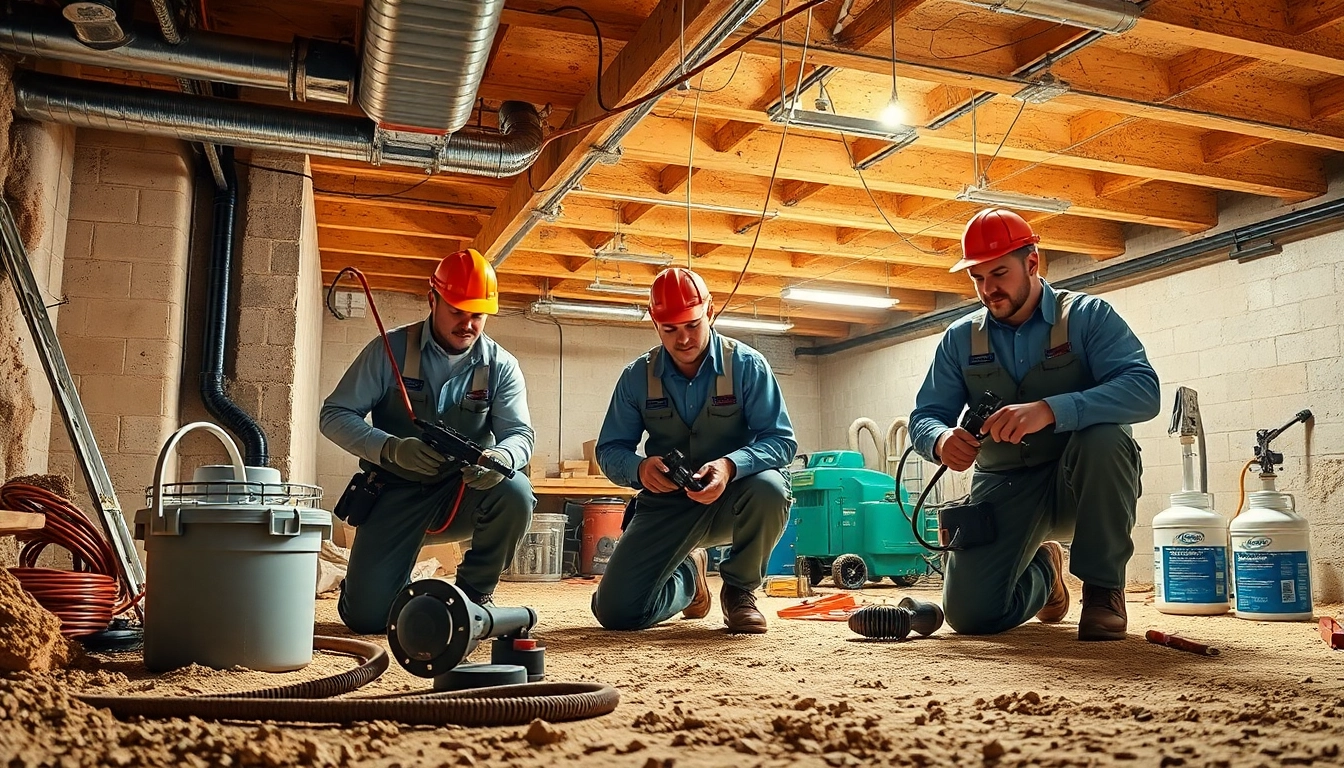
Crawl space restoration is a crucial process aimed at rectifying issues related to the often neglected area beneath a house. Typically, crawl spaces are designed to provide access to pipes and ducts, but they can become problematic when moisture, mold, or structural damage occurs. Restoration involves various techniques to eliminate these problems, ensuring that the crawl space is safe, dry, and functioning as it should. The primary objectives of crawl space restoration include improving air quality, enhancing energy efficiency, and preventing structural damage. For homeowners, understanding Crawl Space Restoration is key to maintaining not just their home’s value but also their family's health.
Importance of Crawl Space Restoration for Homes
The significance of crawl space restoration cannot be overstated. A well-maintained crawl space plays an essential role in home integrity. It ensures proper ventilation, helping to control humidity levels and reduce mold growth, which can lead to respiratory issues in inhabitants. Moreover, problems in the crawl space can directly affect the home's structure, as excess moisture can weaken foundations and cause wood rot. Prioritizing crawl space restoration helps in preserving the overall health of your home and safeguarding your investment.
Common Issues in Crawl Spaces
Crawl spaces face a variety of challenges that can impact both the home's safety and its residents' health. Common issues include:
- Mold and Mildew: Excessive moisture creates an ideal environment for mold growth, which can affect indoor air quality.
- Structural Damage: Water intrusion can lead to wood rot and compromise the integrity of beams and support structures.
- Pests: Rodents and insects find crawl spaces appealing and can cause damage while also introducing health risks.
- Insufficient Insulation: Poor insulation can result in increased energy costs through heat loss.
- Ventilation Problems: Lack of or poor ventilation can exacerbate moisture problems, heightening the risk of mold.
Identifying Signs of Crawl Space Damage
Visual Cues Indicating Damage
One of the first steps in identifying crawl space damage is to look for visible signs. Homeowners should check for:
- Discoloration on walls or ceilings above, which may indicate water leaks.
- Visible mold or mildew present on surfaces.
- Cracks in foundation walls or floors.
- Warped or rotting joists and beams.
Temperature and Humidity Indicators
Monitoring temperature and humidity levels is vital for pinpointing crawl space issues. A humid crawl space can signal water intrusion or lack of ventilation. Installing a hygrometer and thermometer can help maintain optimal levels, as relative humidity should ideally stay below 60%. Unseasonably high temperatures in the crawl space can also indicate poor ventilation, which warrants further investigation.
Potential Health Risks of Neglect
Neglecting crawl space maintenance can lead to potential health risks. Mold exposure can trigger respiratory issues, allergies, and other serious health conditions. Furthermore, a poorly maintained crawl space can attract pests, which can introduce diseases into your home. Taking precautions and addressing issues promptly ensures the well-being of inhabitants and prevents costly remediation later on.
Restoration Techniques for Crawl Spaces
Waterproofing Methods
Effective waterproofing is essential for crawl space restoration. Key techniques include:
- Exterior Drainage Systems: Installing French drains or sump pumps diverts water away from the foundation, reducing moisture in the crawl space.
- Sealants: Thick, waterproof sealants can be applied to walls and floors to prevent moisture penetration.
- Vapor Barriers: Installing a plastic vapor barrier over the ground of the crawl space can minimize moisture from the soil entering the home.
Insulation Best Practices
Proper insulation is vital for energy efficiency and climate control in crawl spaces. Best practices include:
- Insulating Walls: Using rigid foam boards to insulate crawl space walls can keep the space warmer and control moisture.
- Seal Ducts: Ensure that any ducts running through the crawl space are well insulated and sealed to prevent energy loss.
- Use of Fiberglass Insulation: Installing fiberglass batts in the floor joists helps maintain temperature and combat moisture.
Ventilation Solutions
Maintaining proper ventilation is key to preventing moisture buildup in crawl spaces. Recommended solutions include:
- Passive Vents: Installing passive vents allows for natural airflow, which can help regulate humidity.
- Mechanical Ventilation: In some cases, installing exhaust fans can improve air circulation and reduce moisture levels.
- Dehumidifiers: Using a dehumidifier can effectively control humidity, especially in high-moisture areas.
DIY vs Professional Crawl Space Restoration
When to Choose DIY Approach
Many homeowners may consider a DIY approach for crawl space restoration to save costs. Simple tasks such as cleaning debris, visual inspections, or applying sealants can often be managed independently. However, the DIY route is best chosen when:
- The issues are minor and manageable without specialized knowledge.
- You have the tools and skills necessary to perform the work.
- Budget constraints make it essential to handle straightforward repairs.
Advantages of Hiring Professionals
While DIY can be appealing, hiring professionals offers numerous advantages, including:
- Expertise: Professionals have specialized knowledge to diagnose and address complex issues accurately.
- Safety: Experts adhere to regulations and safety standards, reducing risks associated with crawl space work.
- Long-term Solutions: Professionals can provide comprehensive solutions tailored to specific crawl space conditions.
Cost Considerations for Restoration Options
Understanding the costs associated with crawl space restoration is vital. DIY solutions generally incur low-to-moderate costs for materials and tools, while professional services can range significantly based on the severity of the issues and the complexity of the required solutions. Typical costs may include:
- Waterproofing systems may range from $1,500 to $15,000.
- Insulation improvements might cost between $1,000 to $3,000.
- Ventilation systems can span from $500 to $2,500, depending on the solutions implemented.
Preventive Measures for Crawl Space Maintenance
Regular Inspection Tips
Regular inspections of your crawl space are vital for early detection of issues. Homeowners should:
- Check for signs of moisture or mold on a semi-annual basis.
- Inspect insulation and vents to ensure they remain intact and functional.
- Document any changes or signs of pests to address them promptly.
Maintaining Crawl Space Conditions
Maintaining appropriate climate conditions in the crawl space is key. This can be achieved by:
- Utilizing dehumidifiers to control humidity levels.
- Regularly cleaning gutters and downspouts to direct water away from the foundation.
- Ensuring proper grading and drainage around the home to prevent water pooling.
Long-term Benefits of Crawl Space Restoration
Investing in crawl space restoration brings numerous long-term benefits, including:
- Extended lifespan of home structures through protective measures.
- Improved indoor air quality, contributing to the health of the family.
- Potential for increased property value, making it a wise investment for homeowners.
Frequently Asked Questions
How often should I inspect my crawl space?
It’s recommended to inspect your crawl space at least twice a year, ideally in spring and fall, to catch any potential issues early.
What are the signs of moisture problems in a crawl space?
Common signs include visible mold, musty smells, wet insulation, or standing water, all indicating excess moisture.
Can I perform crawl space restoration myself?
Simple tasks like cleaning and minor repairs can be done DIY, but serious issues are better handled by professionals.
What are effective ways to prevent mold in a crawl space?
Maintaining low humidity, ensuring proper drainage, and using vapor barriers are effective strategies to prevent mold growth.
How does crawl space restoration improve home value?
A restored crawl space enhances structural integrity, air quality, and energy efficiency, all appealing features for potential buyers.