Understanding Stamping Dies
In manufacturing, precision is paramount. This is where Stamping Die technology comes into play, offering the capability to produce consistently high-quality components with remarkable accuracy. Understanding stamping dies is essential for any manufacturer looking to enhance their production processes and bottom line. This section delves into what stamping dies are, the various types available, and their applications in modern manufacturing.
What is a Stamping Die?
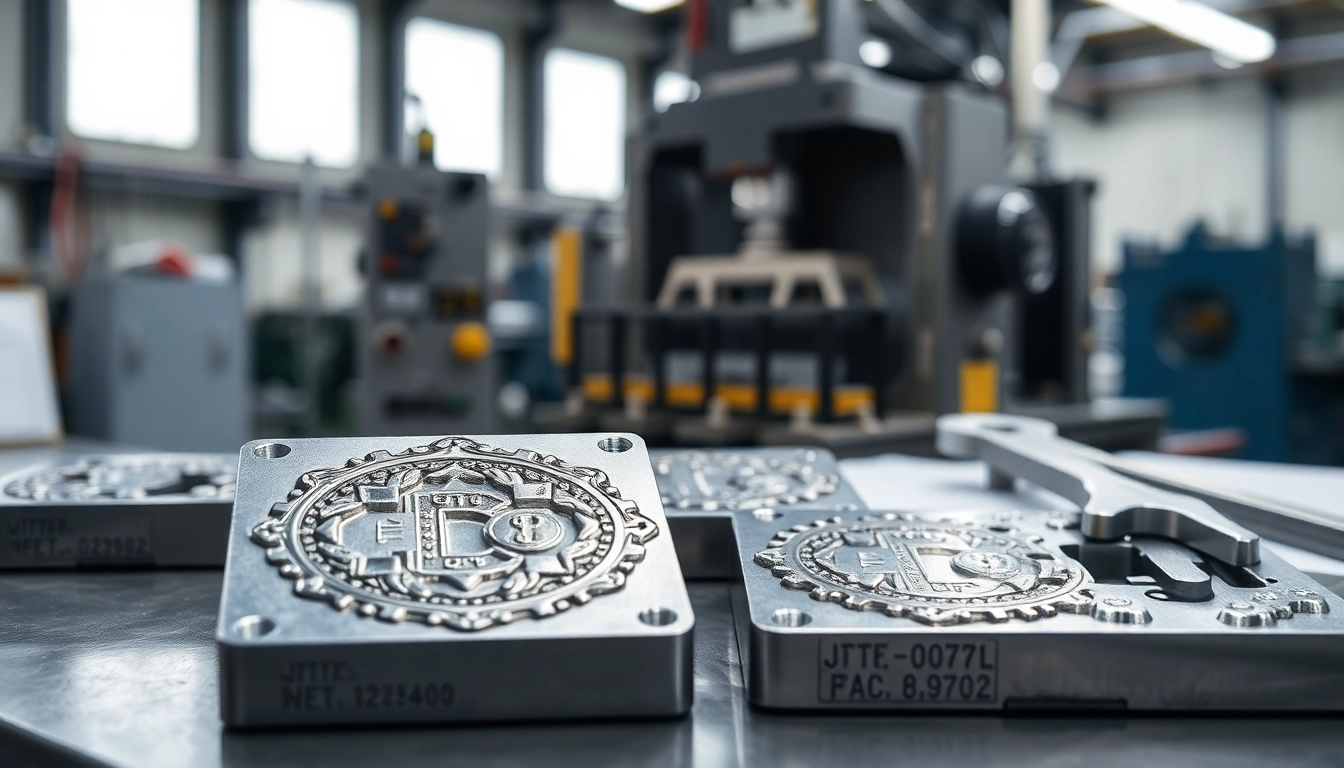
A stamping die is a specialized tool used in manufacturing to cut, shape, or form materials—most commonly metals—into desired forms. The die operates within a stamping press that applies immense force to the material. Stamping dies can create a wide range of components from simple shapes to intricate designs, making them indispensable in industries such as automotive, aerospace, and appliance manufacturing. These tools are typically crafted from durable materials like high-speed steel, carbide, or special alloys to withstand the wear of constant use.
Types of Stamping Dies Available
Stamping dies can be categorized based on their design and functionality:
- Progressive Dies: These allow materials to pass through several stations in a single cycle, where each station performs a specific operation to progressively shape the material.
- Compound Dies: These perform multiple processes, such as cutting and forming, in one stroke. They are efficient for producing simple parts but can be limited to less intricate designs.
- Single-Operation Dies: This traditional type performs one step only—either cutting or forming—in one stroke. It is best suited for high-volume production of simple parts.
- Transfer Dies: Using a specialized robotic or mechanical system, these dies transfer material from one station to the next, accommodating complex shapes and high production volumes.
Applications of Stamping Dies in Manufacturing
Stamping dies play a crucial role across various sectors. In the automotive industry, they are used to manufacture body panels, brackets, and structural components. The appliance sector relies on stamping dies for parts such as housings and internal components of machines. Aerospace applications include the fabrication of structural components and assemblies, ensuring they meet strict safety and durability standards. Additionally, stamping dies are increasingly being leveraged in electronics for creating enclosures and circuit board components.
Benefits of Using Stamping Dies
Improved Efficiency in Production
One of the prime advantages of using stamping dies is the significant improvement in production efficiency. Stamping processes can produce a high volume of parts at rapid speed, often in a matter of seconds per part. This efficiency can lead to shorter lead times and increased throughput, allowing businesses to meet tight deadlines and respond flexibly to market demands. Moreover, progressive dies streamline the manufacturing process by minimizing the handling of materials, which reduces production times and labor costs.
Cost-Effectiveness of Stamping Dies
Employing stamping dies can also be a cost-saving strategy for manufacturers. Although the initial investment in die manufacturing may be substantial, the long-term savings come in the form of lower per-unit costs as production scales up. Additionally, the durability of stamping dies means they can withstand high volumes of production, thereby reducing the frequency of replacement and maintenance expenditures.
Enhanced Accuracy and Consistency
Precision is critical in modern manufacturing, and stamping dies deliver unparalleled accuracy. They ensure that each part produced meets exacting specifications, which is vital in industries where tolerances are tight. Consistent output reduces the rate of defects, thus lowering costs associated with waste and rework. The ability to produce uniform components enhances product quality and strengthens brand reputation.
Choosing the Right Stamping Die
Factors to Consider When Selecting a Stamping Die
When choosing a stamping die, manufacturers should consider several factors to ensure optimal performance:
- Material Type: The choice of material affects the die's longevity and performance. Different materials may be needed based on the type of metal being processed and the complexity of the design.
- Production Volume: High-volume production demands dies that can endure continuous use without sacrificing precision.
- Part Complexity: Complex parts may require advanced die designs, like transfer dies, to achieve the desired form accurately.
- Cost Constraints: The budget for die manufacturing can greatly influence choices, with more intricate designs typically costing more.
Comparing Material Options for Stamping Dies
Selecting the right material for stamping dies is crucial for performance and durability. Common materials include:
- High-speed steel (HSS): Known for its ability to withstand high temperatures and resist wear, HSS is a popular choice for dies that require sharp edges and high precision.
- Carbide: This material is extremely hard and is ideal for producing high volumes of parts while maintaining accuracy.
- Tool Steel: Often used in combination with other materials for specific properties like toughness and surface hardness.
- Aluminium: While less durable, aluminum dies can be suitable for lower volume production and prototyping.
How to Match Dies with Your Production Needs
Efficient matching of a stamping die to production needs involves a comprehensive understanding of both die capabilities and product requirements. Start by analyzing the specific geometries needed for the parts, taking into account tolerances and production volumes. Often, collaboration with die manufacturers can help determine the most effective die options based on experience and knowledge of best practices.
Best Practices for Stamping Die Maintenance
Regular Inspection and Care Tips
To maximize the life and performance of stamping dies, regular maintenance is crucial. Establish a routine inspection schedule to check for wear, alignment, and damage. Cleaning the die surfaces, removing debris and lubrication can prevent material build-up and enhance performance. Additionally, keeping a detailed log of inspections can help identify patterns or recurring issues that may require attention.
Common Issues and How to Resolve Them
Through regular maintenance, manufacturers may encounter several common issues with stamping dies:
- Wear and Tear: Gradual degradation occurs due to friction and pressing forces, which may necessitate regrinding or refurbishment.
- Alignment Problems: Incorrect alignment can lead to poor quality parts and increased wear. Proper setup and adjustment can mitigate this problem.
- Failure of Components: Spring breaks or wear can affect die functionality; therefore, timely replacement is essential.
Maximizing the Lifespan of Your Stamping Dies
Implementing best practices is essential for extending the lifespan of stamping dies. Regular monitoring of the die’s condition, applying the right lubricants, and using dies within their designated production limits can significantly enhance durability. Furthermore, training operators on proper handling and maintenance techniques will also decrease the likelihood of damage.
Future Trends in Stamping Die Technology
Innovations Impacting Stamping Die Design
The future of stamping die technology is being shaped by several key innovations. One notable trend is the adoption of advanced manufacturing technologies, such as additive manufacturing and 3D printing, which allow for the creation of complex die shapes that were previously impossible to achieve. These advancements not only enhance design capabilities but also reduce lead times in die production.
Environmental Considerations in Stamping Die Production
As sustainability becomes increasingly vital across industries, the manufacturing of stamping dies is no exception. Manufacturers are exploring eco-friendly materials and production methods, aimed at minimizing waste and energy consumption. Innovations in recycling stamping die materials are also gaining traction, contributing to more sustainable practices in metal processing.
The Role of Automation in Die Manufacturing
Automation is revolutionizing the stamping die industry, with automated systems streamlining the production process, reducing labor costs, and increasing efficiency. Robotic systems can handle intricate tasks that require precision, while computer numerical control (CNC) technology allows for rapid prototyping and fine-tuning of dies. As automation technology continues to evolve, the precision and quality of stamped parts are set to improve significantly.