Understanding Energy-Efficient HVAC Systems
What Are Energy-Efficient HVAC Systems?
Energy-efficient HVAC systems are designed to minimize energy consumption while maintaining optimal indoor air quality and comfort levels. These systems utilize advanced technologies, including variable-speed motors, smart thermostats, and improved insulation, to significantly reduce utility costs and environmental impact. By investing in energy-efficient HVAC systems, homeowners can enjoy enhanced comfort and substantial savings over time.
Benefits of Energy-Efficient HVAC Systems
Energy-efficient HVAC systems provide several benefits that extend beyond just lowering energy costs. Key advantages include:
- Reduced Energy Bills: These systems use less energy to provide the same level of comfort, resulting in lower monthly utility expenses.
- Environmental Impact: By consuming less power, energy-efficient systems reduce greenhouse gas emissions and contribute to a more sustainable future.
- Improved Comfort: Advanced features like zoning systems and variable-speed fans provide more precise temperature control, enhancing indoor comfort.
- Increased Property Value: Homes equipped with energy-efficient systems are often viewed as more desirable, which can increase resale value.
- Longer Lifespan: These systems typically face less strain and operate more efficiently, potentially increasing their lifespan compared to traditional units.
How Energy-Efficient HVAC Systems Work
Energy-efficient HVAC systems employ various technologies to optimize energy use. Key mechanisms include:
- Variable-Speed Compressors: These adjust their output based on heating or cooling demand, enhancing efficiency.
- Smart Thermostats: They learn user preferences and adjust settings accordingly, ensuring minimal energy waste.
- Proper Insulation: Effective insulation reduces the workload on HVAC systems, enhancing performance and efficiency.
- Energy Recovery Ventilators: They improve indoor air quality by exchanging stale indoor air with fresh outdoor air while conserving energy.
Choosing the Right Energy-Efficient HVAC Systems
Factors to Consider When Selecting HVAC Systems
Selecting the right energy-efficient HVAC system involves several important considerations:
- Size: Systems must be appropriately sized for the space to maximize efficiency and comfort.
- Climate: Different systems perform better in varying climates, influencing your selection.
- Energy Ratings: Look for SEER (Seasonal Energy Efficiency Ratio) and EER (Energy Efficiency Ratio) ratings that indicate energy efficiency.
- Budget: Consider both initial costs and long-term savings when determining how much to invest in a new system.
- Technology Features: Evaluate features such as programmable thermostats, zone control, and multi-stage air handlers.
Common Types of Energy-Efficient HVAC Systems
Several types of energy-efficient HVAC systems are available, each with unique benefits:
- Central Air Conditioning: Employing a whole-house system, these units provide uniform comfort throughout the home.
- Heat Pumps: They transfer heat rather than generating it, providing both heating and cooling efficiently.
- Geothermal Systems: These utilize the earth's stable temperature for heating and cooling, offering exceptional efficiency.
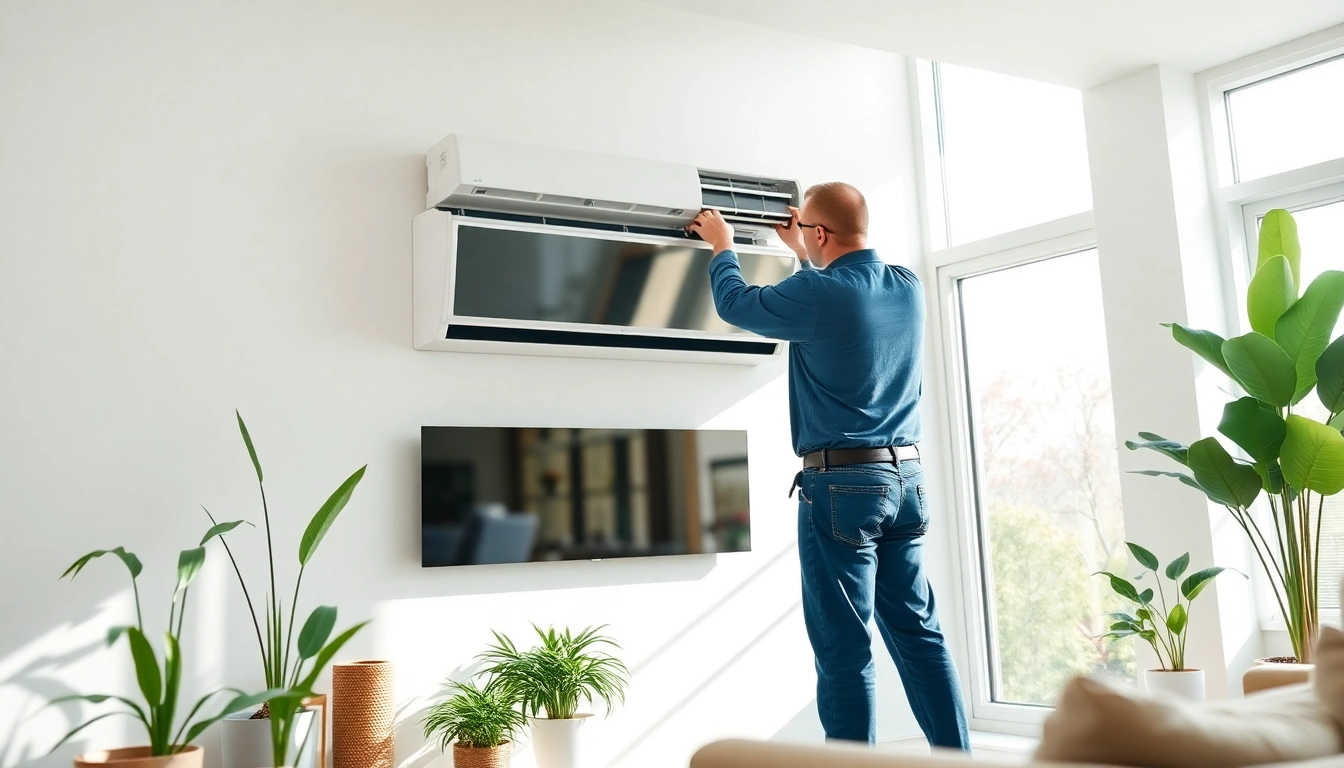
- Ductless Mini-Split Systems: Ideal for homes without ductwork, they provide individualized temperature control and minimize energy loss.
Evaluating Energy Ratings and Certifications
Understanding energy ratings and certifications is crucial for selecting an efficient HVAC system. Look for industry-standard ratings that indicate performance:
- ENERGY STAR: Products bearing this label meet strict energy efficiency criteria set by the EPA.
- SEER Ratings: Higher SEER ratings indicate greater efficiency in cooling performance, with minimum ratings changing by region.
- HSPF: This rating measures the efficiency of heat pumps in heating mode, with higher numbers indicating better performance.
Installation Process of Energy-Efficient HVAC Systems
Steps for Proper Installation
The installation process for energy-efficient HVAC systems requires careful planning and execution:
- Assessment: A professional should assess your home to determine the most suitable system based on size, layout, and insulation.
- Preparation: Remove the old unit and prepare the installation site, including necessary upgrades to ductwork or electrical systems.
- Installation: Follow the manufacturer’s specifications for the new system's setup to ensure optimal performance.
- Testing: After installation, professionals should test the system to confirm that it operates efficiently and effectively.
- Educate the Owner: Provide instructions on how to operate the system and maintain it for longevity.
Hiring a Professional Installer
While DIY installation may seem tempting, hiring a professional ensures that the system is installed correctly, maximizing efficiency and safety. Consider the following when selecting an installer:
- Credentials: Verify licenses, certifications, and insurance to ensure the installer meets industry standards.
- Experience: Look for professionals with experience in installing energy-efficient systems specifically.
- Reviews: Check customer testimonials and ratings to gauge the installer's reliability and quality of service.
- Estimates: Get quotes from multiple installers to compare pricing and scope of services.
DIY Installation vs. Professional Help
Deciding between DIY installation and hiring a professional is crucial:
- DIY Pros: Cost savings and the satisfaction of completing a project yourself are significant advantages.
- DIY Cons: Lack of expertise may lead to improper installation, voiding warranties, and higher long-term costs due to inefficiency.
- Professional Pros: Expertise, guarantees of proper installation, and potential energy savings deliver long-term benefits.
- Professional Cons: Higher upfront costs, which can be a barrier for some homeowners.
Maintenance for Optimal Performance
Routine Maintenance Tips
To extend the life of your energy-efficient HVAC systems, regular maintenance is vital. Consider these maintenance tips:
- Change Filters: Check and replace air filters monthly to ensure proper airflow and efficiency.
- Clean Coils: Schedule professional cleaning of the evaporator and condenser coils at least once a year.
- Inspect Ducts: Regularly inspect ductwork for leaks, blockages, or insulation issues that can reduce efficiency.
- Check Thermostats: Ensure thermostats are working correctly, and consider upgrading to smart thermostats for better control.
- Annual Tune-ups: Hire a qualified technician for annual comprehensive inspections and tune-ups.
Signs Your HVAC System Needs Repair
Being aware of signs indicating potential problems with your HVAC system can save you from costly repairs down the line. Look for:
- Strange Noises: Unusual sounds like grinding, squealing, or banging could indicate mechanical issues.
- Inconsistent Temperatures: Uneven temperatures throughout the home suggest problems with airflow or the system’s operation.
- High Energy Bills: A sudden spike in energy costs may signal that your HVAC system is working harder than it should.
- Bad Odors: Unpleasant smells can signify electrical or mold issues, requiring immediate attention.
The Importance of Regular Inspections
Regular inspections of HVAC systems are crucial for maintaining efficiency and performance. Consistent evaluations can help identify issues before they escalate, prolonging the system's lifespan and ensuring optimal functionality. Professional technicians can spot smaller issues, perform necessary repairs, and recommend solutions to keep systems running smoothly and efficiently.
Cost and Savings of Energy-Efficient HVAC Systems
Upfront Costs vs. Long-term Savings
When evaluating energy-efficient HVAC systems, it's essential to consider both the initial investment and long-term savings. Energy-efficient systems often have a higher upfront cost due to advanced technology and materials but can lead to significant savings on energy bills over time, potentially offsetting the initial expenditure and yielding a higher return on investment.
Incentives and Rebates for Energy-Efficient HVAC Systems
Many regions offer incentives and rebates to encourage the adoption of energy-efficient HVAC systems. Homeowners can take advantage of local, state, or federal programs that subsidize installation costs or offer tax credits for choosing energy-efficient options. Researching available incentives can significantly reduce the overall expense of upgrading your HVAC system.
Understanding Total Cost of Ownership
The total cost of ownership (TCO) for energy-efficient HVAC systems includes purchase price, installation, maintenance, and operational costs throughout the system's life. Evaluating TCO helps homeowners make informed decisions by comparing the financial impact of various systems over time, ensuring that energy savings justify the initial investment.
Frequently Asked Questions
1. What is the lifespan of energy-efficient HVAC systems?
Most energy-efficient HVAC systems can last between 15-25 years with regular maintenance, significantly extending their usable life compared to standard systems.
2. Do energy-efficient HVAC systems require special maintenance?
While they don't need significantly different maintenance than standard systems, energy-efficient units benefit from specific checks, like verifying settings and cleaning components to ensure optimal performance.
3. How can I improve my home's HVAC energy efficiency?
Improving energy efficiency can include sealing leaks in ductwork, insulating your home, using programmable thermostats, and regularly maintaining the system for peak performance.
4. Are there financing options for energy-efficient HVAC systems?
Yes, many vendors and local governments offer financing programs for energy-efficient HVAC upgrades, making it easier for homeowners to manage upfront costs.
5. How do I choose the right size HVAC system for my home?
It's crucial to get a professional assessment to determine the correct size, as an undersized or oversized system can lead to inefficiencies and inadequate comfort levels.