1. Understanding the Aesthetic Appeal of Wood Wall
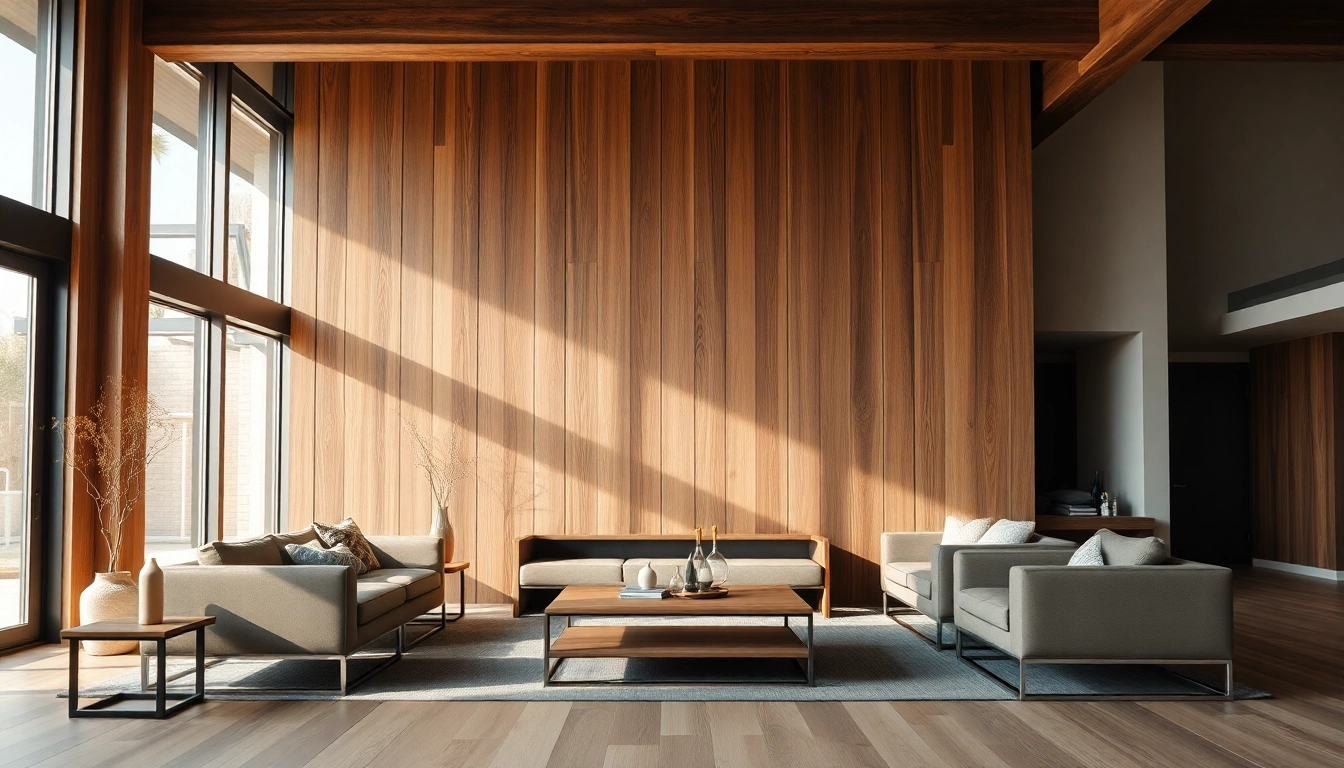
In recent years, the wood wall has emerged as a favored choice among homeowners and designers, primarily due to its unique aesthetic appeal. This trend is marked by an inclination towards natural materials and a nostalgic return to traditional craftsmanship, synonymous with warmth and timeless elegance.
1.1 What Makes a Wood Wall Popular?
One of the defining characteristics of a wood wall is its intrinsic ability to transform spaces. The tactile quality of wood evokes a sense of comfort and sophistication that many materials struggle to replicate. Moreover, wood can visually expand a room while providing sound dampening properties, making it an optimal choice for both design and functionality.
1.2 Key Design Trends in Wood Wall Applications
Several contemporary design trends have surfaced around the wood wall concept:
- Natural Finishes: The raw beauty of wood, coupled with minimal polishing, adds authenticity to spaces.
- Mixed Materials: Combining wood with metals or glass has become increasingly popular, creating a modern and dynamic aesthetic.
- Accent Walls: Designers frequently use wood walls as accent features to draw attention to a particular area in a room.
- Eco-Friendly Choices: There's a growing trend towards sustainable wood sourcing, attracting environmentally conscious consumers.
1.3 Benefits of Using Wood Wall in Interior Design
The implementation of wood walls offers numerous benefits:
- Versatility: Wood can be styled to suit various design themes, from rustic to contemporary.
- Increased Resale Value: Homes adorned with wood walls are often valued higher due to their stylish appeal.
- Improved Acoustics: Wood naturally absorbs sound, enhancing the auditory experience in living spaces.
- Healthier Indoor Air Quality: Wood can help regulate humidity, promoting a healthier living environment.
2. Choosing the Right Wood Wall Materials
2.1 Comparing Different Types of Wood for Walls
When selecting wood for wall applications, it's essential to consider the properties of various wood types:
- Hardwoods: These are typically more durable and suitable for high-traffic areas. Options include oak, maple, and walnut.
- Softwoods: Common in interior applications, varieties such as pine and cedar are less expensive and easier to work with but may not provide the same level of durability.
- Engineered Wood: Manufactured from wood fibers, this option is often more affordable, stable, and resistant to warping.
2.2 Sustainable Options for Eco-Friendly Wood Walls
As awareness of environmental issues rises, the demand for sustainable materials has also grown. Some sustainable choices for wood walls include:
- Reclaimed Wood: Sourced from old barns or buildings, reclaimed wood has a rich history and unique character. It reduces waste and conserves new resources.
- Certified Wood: Make sure the wood is sourced from forests managed according to sustainable practices, such as the Forest Stewardship Council (FSC) certification.
- Bamboo: Rapidly renewable, bamboo is an eco-friendly alternative that grows significantly faster than traditional trees.
2.3 Cost Factors in Wood Wall Materials
When budgeting for a wood wall, several factors come into play:
- Type of Wood: Hardwoods generally cost more than softwoods.
- Quality and Finish: Higher quality wood or specialized finishes (e.g., weathered looks) can significantly increase costs.
- Installation: Professional installation can add to the overall cost unless you choose to handle the project as a DIY endeavor.
- Location: Pricing may vary by region due to factors like local availability and shipping costs.
3. Installation Techniques for Wood Wall Panels
3.1 Step-by-Step Guide to Installing a Wood Wall
Installing a wood wall can be a rewarding project. Follow these steps to ensure a successful installation:
- Preparation: Start by selecting the wall to be covered and ensuring it is clean and dry.
- Collect Tools: Gather necessary tools, including a level, measuring tape, saw, and adhesive or fastening materials.
- Cut Panels: Measure and cut your wood panels to fit the wall dimensions.
- Install Panels: Start from the bottom and work your way up, securing panels with adhesive or nails. Use a level to ensure panels are aligned.
- Finishing Touches: Fill any gaps and consider adding trim for a polished look.
3.2 Tools Needed for a Successful Installation
Essential tools for installing a wood wall include:
- Measuring tape
- Level
- Saw (hand saw or miter saw)
- Nail gun or adhesive
- Stud finder
- Caulking gun (for sealing edges)
3.3 Common Mistakes to Avoid When Installing
To ensure a successful wood wall installation, avoid these common pitfalls:
- Skipping Wall Preparation: Ensure the wall is completely clean and dry to prevent moisture issues.
- Poor Measurements: Always double-check measurements before cutting panels to avoid waste.
- Ignoring Acclimatization: Allow the wood to acclimatize to the room's temperature and humidity levels for a few days before installation.
- Neglecting Verticality: Failing to check that your panels are straight can lead to an uneven appearance.
4. Maintenance Tips for Longevity of Wood Wall
4.1 Regular Cleaning and Care for Wood Walls
To maintain the aesthetic appeal of a wood wall, regular cleaning is crucial. Dust the surface frequently, and use a damp cloth for deeper cleaning as needed. Avoid harsh chemicals that can damage the finish.
4.2 Protecting Your Wood Wall from Damage
Protect your wood wall by keeping it away from direct sunlight and moisture. During particularly humid periods, consider using dehumidifiers to mitigate potential moisture problems that could lead to warping or mold growth.
4.3 Refreshing the Look of Your Wood Wall
Over time, wood might lose some of its luster. To refresh the look, consider reapplying a coat of wood oil or stain to enhance the color and provide a protective layer. If needed, sanding down the surface slightly can rejuvenate its texture before applying new finishes.
5. Creative Ideas to Incorporate Wood Wall in Your Space
5.1 Wood Walls in Living Rooms: Creating a Cozy Vibe
In living rooms, wood walls can create a warm and inviting ambiance. Consider using vertical slats to add texture, or opt for a full-panel approach to achieve a seamless look. Shelving can also be integrated into the design to enhance functionality.
5.2 Innovative Applications of Wood Wall in Bedrooms
Wood walls in bedrooms can be both stylish and soothing. A headboard feature made from wood panels can add a focal point, while subtle lighting can enhance the cozy atmosphere. Choosing softer wood tones can create a tranquil environment conducive to rest.
5.3 Wood Wall Solutions for Commercial Spaces
In commercial settings, wood walls can promote warmth and approachability. From coffee shops to offices, consider using branded wood accents that reflect your company’s identity. Implementing varying textures and colors of wood can create visual interest in reception areas.
FAQs
What are the advantages of a wood wall over drywall?
Wood walls provide a unique aesthetic, added warmth, and better acoustic qualities compared to drywall, also enhancing overall property value.
How much should I budget for a wood wall?
Costs vary, but typically, budgets should range from $10 to $20 per square foot, influenced by the wood type and desired design features.
Is DIY installation of a wood wall feasible?
Yes, many homeowners find DIY installation manageable with proper preparation and the right tools, particularly when using pre-cut panels.
Can a wood wall be painted or stained?
Wood walls can indeed be painted or stained, allowing for customization to match interior decor and personal style preferences.
How do I choose the best wood for my wall?
Select wood based on properties like durability, grain aesthetics, and resistance to wear, with hardwoods typically being more resilient than softwoods.