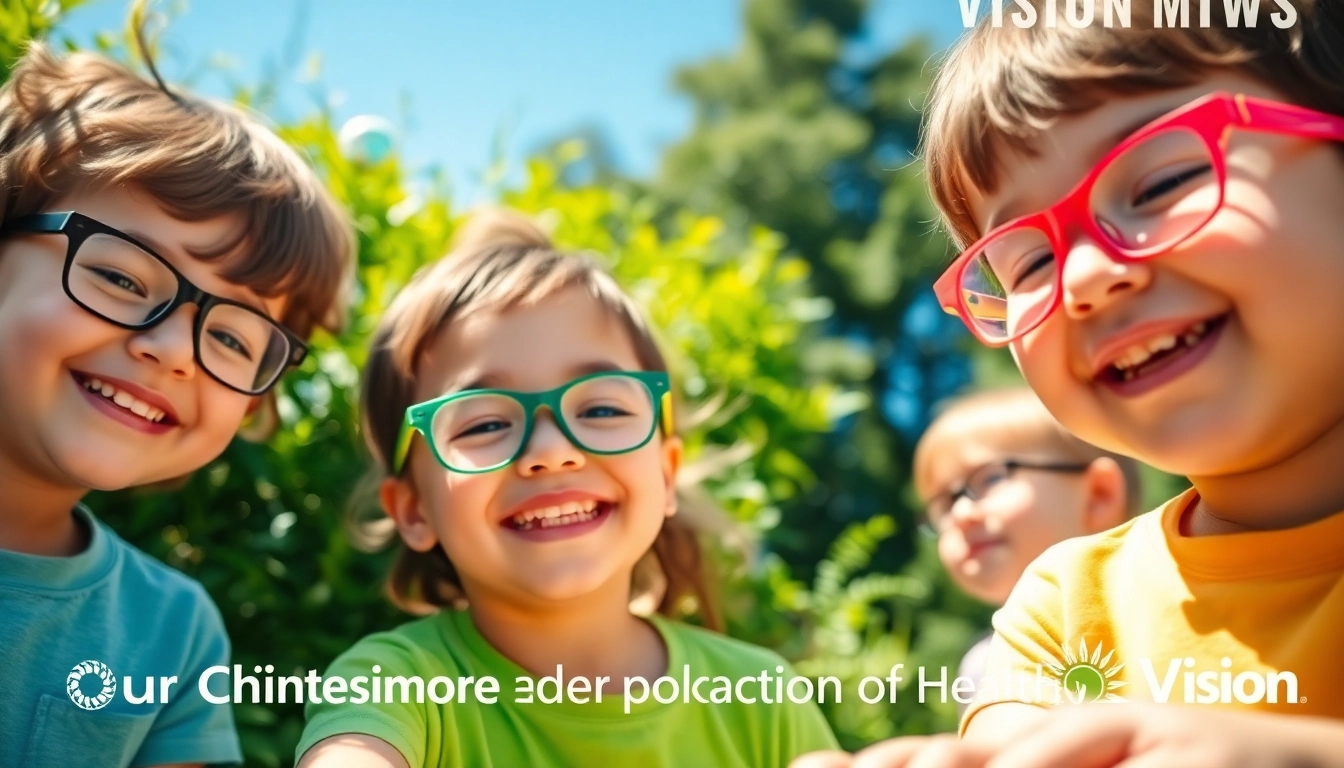
The Importance of Vision Health for Children
Vision is a crucial aspect of overall health and development, particularly in children. Proper vision enables children to explore their environment, learn effectively, and engage in social interactions. Unfortunately, many children suffer from undiagnosed vision problems that can impact their education and quality of life. This is where initiatives like Our Children's Vision come into play, aiming to address these critical issues and promote eye health among young populations.
Understanding Childhood Vision Problems
Vision problems in children can emerge as a result of various factors, including genetics, environmental influences, and underlying health issues. It's essential to understand the types of vision problems, as early detection is key to preventing long-term issues. Problems such as myopia (nearsightedness), hyperopia (farsightedness), astigmatism, and amblyopia (lazy eye) can develop from infancy but may go unnoticed until a child begins school.
Common Eye Conditions Affecting Children
Some eye conditions are particularly common among children, and recognizing the signs can lead to timely intervention. For instance:
- Myopia: Characterized by difficulty seeing distant objects, this condition is increasingly prevalent due to factors like prolonged screen time.
- Hyperopia: Children may struggle with close-up tasks such as reading, often leading to frustration in academic environments.
- Astigmatism: This condition can cause blurred vision at any distance and can often coexist with myopia or hyperopia.
- Amblyopia: Often stemming from strabismus (crossed eyes), it can lead to permanent vision impairment if not treated early.
Signs of Vision Issues to Watch For
Parents and caregivers should be vigilant in observing behaviors that may indicate vision problems. Common signs include:
- Squinting or closing one eye to see better.
- Frequent headaches or eye strain after reading or using screens.
- Difficulty focusing on tasks, especially at a distance.
- Holding books or electronic devices unusually close.
If any of these symptoms arise, seeking professional evaluation is crucial for ensuring timely treatment.
Overview of Our Children's Vision Initiatives
The Our Children's Vision initiative is a significant global campaign aimed at addressing children's eye health comprehensively. Through various strategies, it aims to ensure that all children have access to the eye care they need.
Goals of Our Children's Vision Campaign
The primary goal of the Our Children's Vision initiative is to advocate for improved eye care access for children worldwide. This involves raising awareness about the importance of routine vision screenings and promoting the necessity of comprehensive eye examinations, ensuring that children do not fall through the cracks of healthcare access.
Key Strategies for Success
To achieve its goals, the campaign employs several effective strategies:
- Awareness Campaigns: These target communities to educate parents and caregivers about the importance of children's vision health.
- Partnership Development: Collaborating with healthcare providers, schools, and community organizations to create a supportive network for children’s eye health.
- Research and Implementation: Utilizing data-driven approaches to understand and address the specific needs facing diverse populations.
Partnerships and Collaborations
The success of the Our Children's Vision campaign hinges on strategic partnerships. By working with various stakeholders, including non-profits, government agencies, and educational institutions, the initiative can leverage resources and influence policy change, making eye care accessible to all children.
How to Advocate for Children's Eye Health
Advocacy plays a crucial role in promoting children's eye health. Engaging communities and educating parents about available resources is essential for effective advocacy.
Community Awareness Programs
Establishing community programs can significantly raise awareness about the prevalence and impact of vision problems in children. These programs might include:
- Workshops for parents on recognizing vision issues and the importance of early screenings.
- Partnerships with local schools to provide vision screenings during health fairs.
- Public service announcements that highlight the importance of regular eye exams and how to access services.
Engaging Parents and Caregivers
Empowering parents and caregivers to advocate for their children's eye health is vital. By providing them with information, tools, and resources, families can actively participate in ensuring that their children receive necessary eye care. Steps include:
- Sharing educational materials that outline signs of vision problems and steps for obtaining help.
- Encouraging parents to schedule regular eye exams and make them aware of local resources.
- Facilitating community discussions or support groups for sharing experiences and strategies.
Effective Advocacy Techniques
Utilizing effective advocacy techniques can help elevate the conversation around children's eye health:
- Storytelling: Sharing personal stories of children's vision challenges can humanize the issue and inspire action.
- Data and Research: Presenting statistics and data that highlight the need for effective policies and services can compel stakeholders to lend their support.
- Media Engagement: Engaging local media to cover stories about children's vision health can raise public awareness and governmental interest.
Accessing Eye Care Services for Children
Access to eye care services is a fundamental right for every child. Understanding where and how to obtain these services is essential for parents and caregivers.
Where to Find Vision Screenings
Parents should know various locations where vision screenings may be available, such as:
- Local schools, which often conduct vision screenings for students.
- Community health clinics that provide comprehensive pediatric care.
- Non-profit organizations offering outreach programs and free screenings.
Importance of Regular Eye Exams
Regular eye exams are paramount in detecting vision problems early. Children should have their first comprehensive eye exam before entering school and follow up as recommended by their eye care professional. Early intervention can prevent more severe issues from developing and supports optimal learning outcomes.
Financial Assistance Programs
For families that may struggle to afford eye care, several financial assistance programs exist to alleviate the burden. These services can include:
- Sliding scale fees at community health clinics based on income.
- National and local non-profit programs that provide free or low-cost eye exams and eyewear.
- Insurance options that cover vision care, ensuring that families receive the services they need without financial strain.
Measuring the Impact of Our Children's Vision
To assess the effectiveness of the Our Children's Vision initiative, it is essential to measure its impact through both qualitative and quantitative metrics.
Success Stories and Case Studies
The campaign's success can be illustrated through various success stories and case studies that demonstrate tangible benefits to children's eye health. Sharing these narratives helps quantify the initiative's effectiveness and encourages further support.
Key Metrics for Evaluating Effectiveness
Metrics that can be utilized to evaluate the impact of the initiative include:
- The number of children who have received vision screenings compared to previous years.
- Improved educational performance indicators among children who have received adequate eye care.
- Increased community engagement in eye health programs and advocacy efforts.
Future Goals and Challenges
While the Our Children's Vision initiative has achieved significant milestones, ongoing challenges remain. Future goals may focus on expanding access to remote and underprivileged communities, overcoming logistical barriers to eye care, and securing sustainable funding. Addressing these issues will be critical for the ongoing success of the program and for ensuring that every child has the opportunity for a bright future marked by good vision.