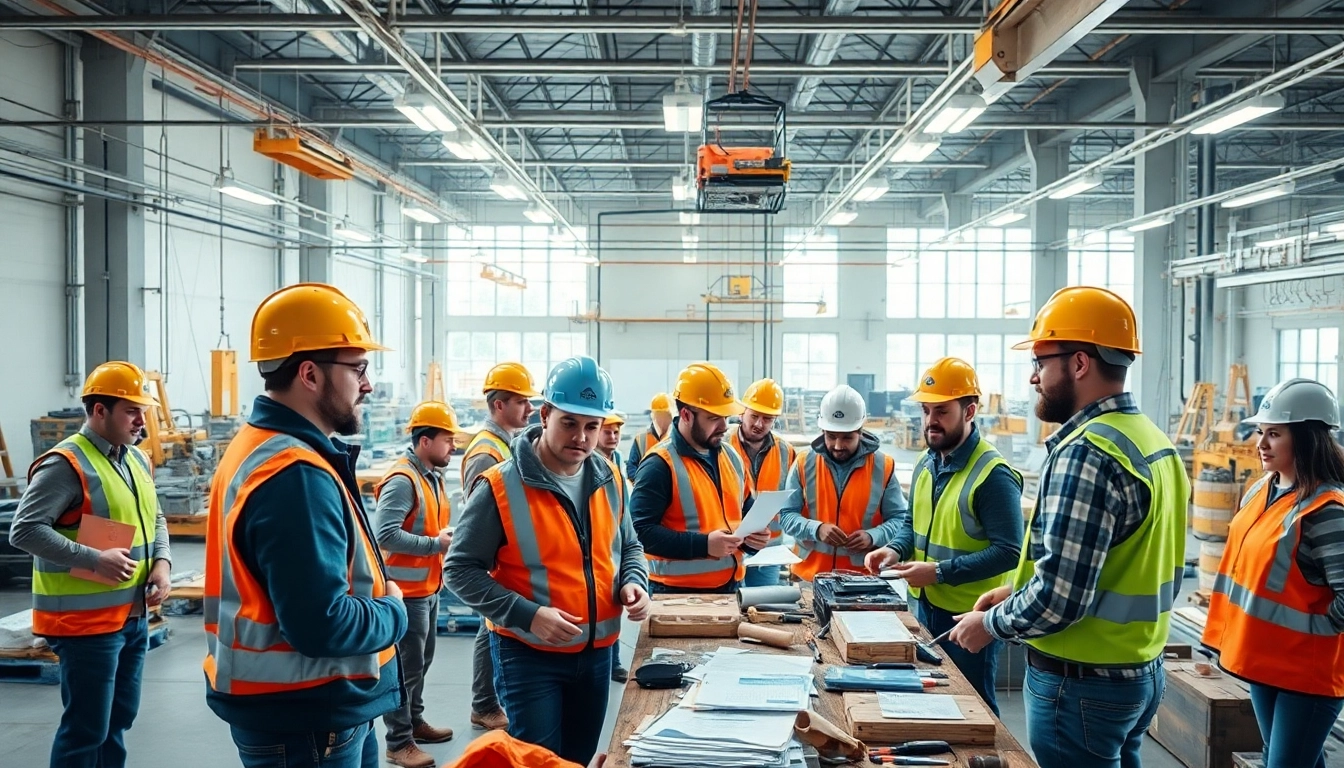
Understanding Construction Safety Training
Importance of Construction Safety Training
In the construction industry, safety is paramount. The nature of construction work involves inherent risks, making it essential for workers to be well-informed about safety protocols, hazard identification, and emergency responses. According to the National Institute for Occupational Safety and Health (NIOSH), thousands of workers are injured annually, leading to significant costs for companies and devastating impacts on families. Effective construction safety training not only helps in minimizing these incidents but also fosters a culture of safety that benefits everyone on site.
Safety training is an investment in human capital, leading to reduced insurance premiums, higher employee morale, and increased productivity. By prioritizing safety education, companies not only comply with regulations but also ensure the wellbeing of their team. Consequently, the absence of a robust training program can lead to severe injuries, costly downtime, and improper handling of machinery and tools.
Legal Requirements for Safety Training
Compliance with safety regulations is not only a best practice; it's often mandated by law. Occupational Safety and Health Administration (OSHA) regulations stipulate specific training requirements based on various factors including the type of work, machinery used, and the workplace environment. Understanding these legal stipulations ensures that companies avoid substantial fines and potential lawsuits.
Employers are responsible for providing safety training for all employees, particularly those handling hazardous materials or operating heavy machinery. It’s critical to stay updated with OSHA standards to ensure compliance and mitigate risks. Additionally, regular training updates are necessary to keep pace with evolving safety protocols and technologies.
Overview of Training Methods
The effectiveness of construction safety training heavily relies on the methods employed. Various training techniques can cater to different learning styles and practical applications in the field. Here are some common methods:
- On-the-Job Training: Provides realistic education by teaching employees in their actual work environment. This method enables immediate application of skills.
- Classroom-Based Instruction: Ideal for comprehensive topics, classroom training allows for structured lessons and interactions.
- Online Modules: Flexible and accessible, online training can cover numerous topics and allows for self-paced learning, making it ideal for larger teams.
Types of Construction Safety Training Programs
On-the-Job Safety Training
On-the-job safety training is invaluable in the construction sector. This method immerses employees in real-life scenarios, making them familiar with the hazards they are most likely to encounter daily. Supervised training enables workers to practice safety measures in the context of their tasks, ensuring they know how to respond to potential risks effectively. Coupled with mentor oversight, this approach helps reinforce safe practices and encourages open communication about hazards.
Classroom-Based Safety Courses
Classroom-based courses provide an opportunity for formal education on safety regulations, compliance, and best practices. These sessions can incorporate lectures, videos, group discussions, and examinations to reinforce learning. Classroom training is particularly useful for more complex topics that require deeper comprehension, such as:
- Understanding OSHA regulations
- Hazardous material handling
- Emergency response procedures
Furthermore, this approach fosters a learning environment where participants can share experiences, improving overall understanding and collective learning.
Online Safety Training Modules
With advancements in technology, online training modules have become increasingly popular. These platforms offer flexibility and convenience, allowing workers to complete courses at their own pace. Online safety training encompasses various topics, often using engaging multimedia content such as animations and interactive quizzes to enhance retention. Additionally, this method allows for easy updates in training material in response to changing regulations or new safety methodologies.
Best Practices for Implementing Construction Safety Training
Creating a Safety Culture
Developing a strong safety culture is crucial for the long-term success of any construction site. This begins with leadership demonstrating a commitment to safety through consistent policies and practices. Encouraging open dialogue about safety, recognizing safe behavior, and involving employees in safety planning fosters an environment where workers feel empowered to prioritize safety.
Employers should also organize regular safety meetings, allowing workers to voice concerns and contribute to safety solutions. When employees are actively engaged in creating a safety-first culture, compliance improves, and incidents reduce significantly.
Utilizing Technology in Training
Integration of technology in training programs has transformative potential. From virtual reality (VR) that simulates hazardous scenarios to mobile apps that track safety training progress, technology offers interactive learning experiences that enhance engagement and effectiveness. For instance, VR can provide workers with firsthand experience of safety practices in a controlled yet realistic environment, significantly improving their responsiveness during actual emergencies.
Moreover, technology can facilitate communication during training sessions and beyond. Teams can utilize apps to share resources, updates, and best practices seamlessly, ensuring that everyone remains informed about safety protocols.
Continuous Improvement and Feedback Loops
A successful safety training program is not static; it requires consistent evaluation and updates. Businesses should establish feedback loops to gather insights from employees on the training they receive and ongoing safety practices. Regular assessments and revisions based on employee feedback enhance the training's relevance and effectiveness.
Moreover, utilizing performance metrics helps in identifying areas for improvement. By tracking incidents, near-misses, and training completion rates, companies can refine their training programs, ensuring that they meet the evolving safety needs of their workforce.
Measuring the Effectiveness of Construction Safety Training
Key Performance Indicators
Measuring the effectiveness of safety training involves analyzing specific Key Performance Indicators (KPIs) that reflect training success over time. Some critical KPIs include:
- Reduction in workplace accidents and injuries
- Improvement in employee knowledge retention measured through assessments
- Increased employee participation in safety programs
By monitoring these indicators, organizations can gauge how well their training programs are performing and make necessary adjustments.
Gathering Employee Feedback
Employing surveys and feedback mechanisms to solicit employee opinions on safety training can yield invaluable insights. Understanding the workers' perspectives provides actionable data on what is effective and what needs improvement. Additionally, it fosters a sense of inclusion among staff, making them feel valued and engaged in their training outcomes.
Feedback should not only focus on the training content but also on delivery methods, practicality, and engagement levels. This information helps tailor programs to suit diverse learning preferences, ensuring all team members benefit.
Regular Safety Audits and Assessments
To fully assess the effectiveness of training programs, regular safety audits and assessments are crucial. These evaluations check compliance with safety protocols, assess the working environment, and ensure that all equipment is functioning correctly. Conducting audits allows organizations to identify potential hazards early, leading to timely interventions and ongoing safety improvements.
Regular assessments provide a comprehensive view of the safety landscape in a construction environment, aiding in refining training efforts to focus on pertinent issues.
FAQs about Construction Safety Training
What is construction safety training?
Construction safety training consists of educational programs that teach workers about safety standards, hazard identification, and proper safety protocols specific to the construction industry.
Why is safety training important?
Safety training is vital for reducing workplace accidents, ensuring compliance with regulations, and fostering a culture of safety within organizations, ultimately leading to better productivity.
How often should safety training be conducted?
Safety training should be conducted regularly; typically, initial training occurs upon hiring and is followed by annual refreshers and additional sessions whenever new hazards are identified.
What topics are typically covered in safety courses?
Common topics include hazard recognition, equipment safety, fall protection, personal protective equipment (PPE), and emergency response procedures specific to the construction environment.
Can safety training prevent workplace accidents?
While no training can guarantee the prevention of accidents, comprehensive safety training significantly reduces risks, enhances awareness, and equips workers to handle potential hazards effectively.