Introduction to Vinyl Flooring
Vinyl flooring has emerged as a popular choice for homeowners and decorators alike, blending aesthetics with functionality and affordability. Its versatility makes it suitable for various spaces, from residential homes to commercial environments. In this article, we will explore everything there is to know about vinyl flooring, including its definition, advantages, and installation processes, ensuring you have all the information needed to make an informed flooring decision.
What is Vinyl Flooring?
Vinyl flooring is a synthetic floor covering made primarily from polyvinyl chloride (PVC) combined with plasticizers, stabilizers, and other additives. Known for its durability, water resistance, and various design options, vinyl tiles and sheets can mimic the look of natural materials like wood and stone without the associated maintenance issues. It offers different forms, including luxury vinyl tiles (LVT) and sheets, catering to diverse aesthetic preferences.
Benefits of Vinyl Flooring
Vinyl flooring offers an array of benefits that make it an attractive option for homeowners. Here are some of the standout advantages:
- Durability: Vinyl flooring is designed to withstand heavy foot traffic, making it suitable for kitchens, bathrooms, and commercial spaces.
- Water Resistance: Unlike traditional hardwood, vinyl flooring is inherently water-resistant or even waterproof, making it an excellent choice for moisture-prone areas.
- Affordability: Compared to other flooring materials such as hardwood or natural stone, vinyl flooring is more budget-friendly, offering a cost-effective solution for those looking to enhance their space without overspending.
- Ease of Maintenance: With simple cleaning solutions, vinyl flooring can be maintained effortlessly. Regular sweeping and occasional mopping can keep it looking brand new.
- Comfort: Vinyl flooring provides a softer surface underfoot, making it comfortable for standing long periods and reducing noise levels.
- Variety of Designs: Available in an extensive range of colors, textures, and patterns, vinyl flooring can suit any home décor style.
Styles and Designs of Vinyl Flooring
The design versatility of vinyl flooring is one of its strongest selling points. From realistic wood designs to striking tile patterns, vinyl can cater to any aesthetic preference:
- Wood Look: Many homeowners opt for vinyl that mimics the look of traditional hardwood flooring. These options provide the beauty of wood without the downsides, such as susceptibility to moisture and high maintenance.
- Tile Look: Vinyl can mimic ceramic or stone tiles, giving spaces a sophisticated appearance while remaining warmer and more comfortable underfoot.
- Patterned Vinyl: Bright, bold patterns are frequently used in kitchens and bathrooms, adding character and style to spaces that often need revitalization.
- Luxury Vinyl Plank (LVP): This category includes thick planks with high-quality finishes, designed for both aesthetic and performance qualities.
Choosing the Right Vinyl Flooring
Deciding on the right vinyl flooring for your space can seem daunting, but there are specific considerations to help clarify your options and ensure a suitable choice.
Considerations for Your Space
Your environment plays a significant role in selecting vinyl flooring. Here are some key factors to consider:
- Foot Traffic: Identify how much traffic your floors will endure and choose a thickness and wear layer accordingly. More traffic equates to a need for thicker, more durable options.
- Room Function: Kitchens, bathrooms, and entryways need moisture-resistant options, while living areas can accommodate a broader range of styles and types.
- Climate: In areas with severe temperature fluctuations, it’s essential to select a vinyl flooring that can adapt without warping or cracking.
- Installation Method: Some vinyl flooring comes in glue-down formats while others feature interlocking planks. Decide beforehand whether you will be installing it yourself or hiring a professional.
Understanding Vinyl Flooring Types
Familiarizing yourself with the types of vinyl flooring can also aid your decision-making process:
- Sheet Vinyl: Large sheets of vinyl material that can reduce seams and make cleaning easier. It's a great choice for moisture-prone areas.
- Luxury Vinyl Plank (LVP): Features planks that look like solid hardwood; provides an upscale appearance while being durable and easier to maintain.
- Luxury Vinyl Tile (LVT): Tiled versions that mimic the look of real stone or ceramic and offer similar benefits to LVP.
Comparing Vinyl Flooring With Other Flooring Options
When considering vinyl flooring, it's helpful to compare it against other common flooring materials. Here’s a brief overview:
- Hardwood: While beautiful, hardwood is more susceptible to water damage and requires regular maintenance. Vinyl flooring offers a more affordable and practical solution.
- Ceramic Tile: While durable, ceramic tiles can be cold and hard underfoot. Vinyl provides a softer, warmer alternative.
- Carpet: Although carpets offer warmth and comfort, they are often challenging to clean and maintain. Vinyl is a more sanitary, low-maintenance option.
Preparation and Installation of Vinyl Flooring
An important part of the vinyl flooring process is ensuring that your space is properly prepared and that installation is conducted correctly for lasting results.
Preparing Your Subfloor
The subfloor is a critical component that can affect the overall performance and appearance of your vinyl flooring:
- Cleanliness: Ensure the subfloor is clean, free of dust, and debris to achieve a smooth surface.
- Level Surface: The subfloor should be leveled. Any imperfections can affect the performance of the vinyl.
- Moisture Test: Conduct a moisture test to rule out potential dampness that could warp your flooring over time.
Steps for Installing Vinyl Flooring
Once your subfloor is adequately prepared, follow these installation steps:
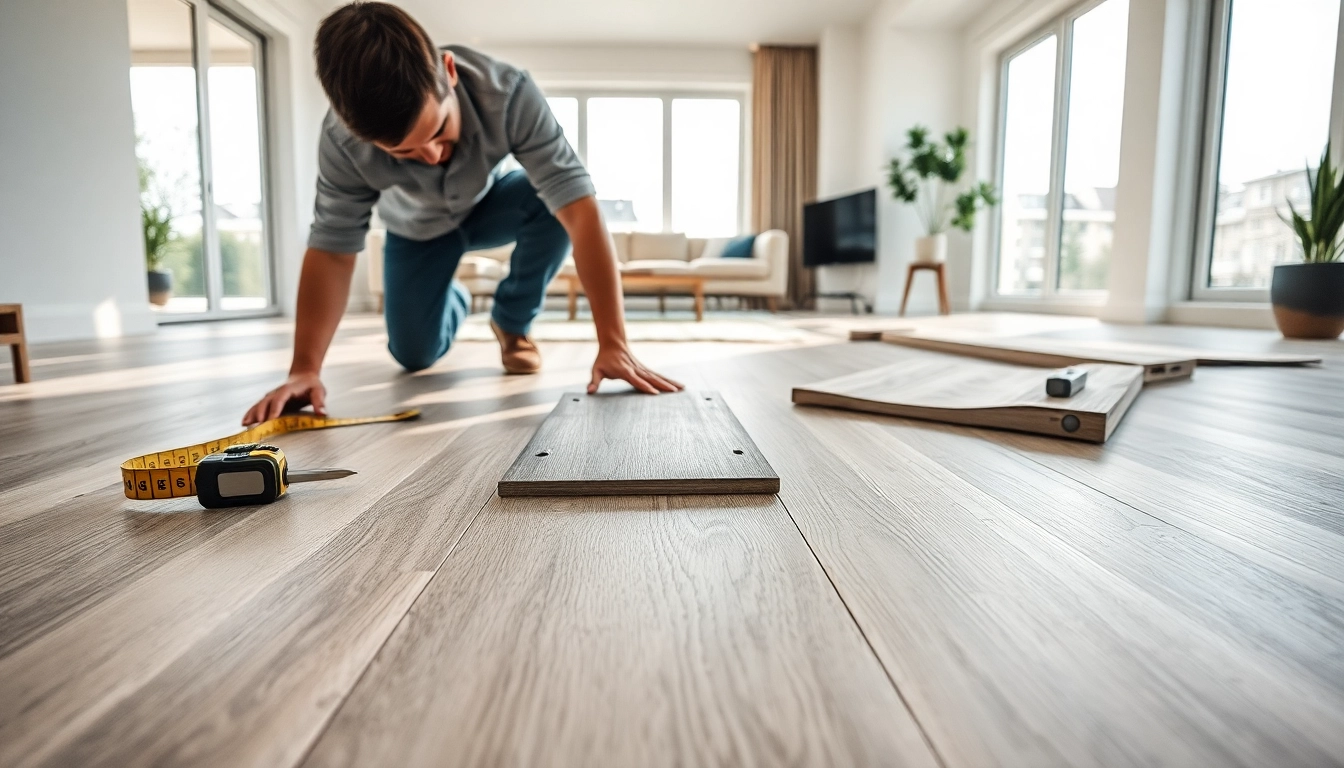
- Measure the Area: Accurate measurement will ensure you purchase enough material for your space.
- Cut Vinyl to Size: Use a utility knife to cut the vinyl sheets or planks to fit your designated area.
- Lay Out the Flooring: Lay the pieces in dry run to ensure a proper fit and make any adjustments before securing them.
- Install: Depending on the type of vinyl, either glue down, click in place, or use adhesive strips as per your product instructions.
- Finishing Touches: Install baseboards and trims to complete the look while covering any potential gaps between the flooring and the wall.
Common Mistakes to Avoid
A few common mistakes can lead to problems down the line:
- Neglecting Subfloor Prep: Skipping subfloor preparation can lead to uneven surfaces and premature wear.
- Insufficient Acclimation: Not allowing vinyl to acclimate to room temperature before installation can lead to expansion problems.
- Taking Shortcuts in Measurements: Ensure that all areas are measured correctly and accounted for to avoid extra cuts or excess waste.
Maintaining and Caring for Vinyl Flooring
Proper maintenance is crucial for preserving the beauty and longevity of your vinyl flooring. Here are some best practices.
Daily Maintenance Tips
Implementing daily maintenance can keep your vinyl flooring looking fresh:
- Regular Sweeping: Remove dust and debris regularly using a soft broom or vacuum cleaner suited for hard surfaces.
- Use Appropriate Cleaners: Opt for non-abrasive cleaners. Avoid using ammonia or bleach, as they can damage the surface.
- Protect from Scratches: Use furniture pads to prevent scratches from heavy objects like chairs and tables.
Deep Cleaning Vinyl Flooring
Occasionally, a deeper clean will be necessary to maintain your flooring's appearance:
- Mopping: Use a damp mop with a suitable cleaner to give your floors a thorough clean without soaking them.
- Spot Cleaning: For stubborn stains, use a soft cloth with a bit of cleaner to gently scrub the affected area.
- Rinse Thoroughly: Always rinse your flooring with clean water to remove any remaining cleaning solutions.
Preventing Damage to Vinyl Flooring
To extend the lifespan of your vinyl flooring and uphold its initial beauty:
- Avoid High Heels: Try to avoid walking on vinyl floors with high heels, as they can cause indentations.
- Control Humidity: Excessive humidity can lead to warping, so consider using dehumidifiers in prone areas.
- Regular Maintenance: Stay consistent with routine care and cleaning to prevent long-term damage.
FAQs about Vinyl Flooring
How long does vinyl flooring last?
Vinyl flooring can last anywhere from 10 to 20 years, depending on the quality of the product and proper maintenance.
Can I install vinyl flooring myself?
Yes, many types of vinyl flooring come with DIY-friendly installation options, especially interlocking planks.
Is vinyl flooring waterproof?
Most vinyl flooring is water-resistant; luxury vinyl planks can be completely waterproof, making them ideal for bathrooms.
How do I clean vinyl flooring?
Regularly sweep or vacuum, and mop with a gentle cleaner. Avoid abrasive cleaners that can damage the surface.
What is the cost of vinyl flooring?
The cost of vinyl flooring varies by style and quality, generally ranging from $2 to $7 per square foot, excluding installation.