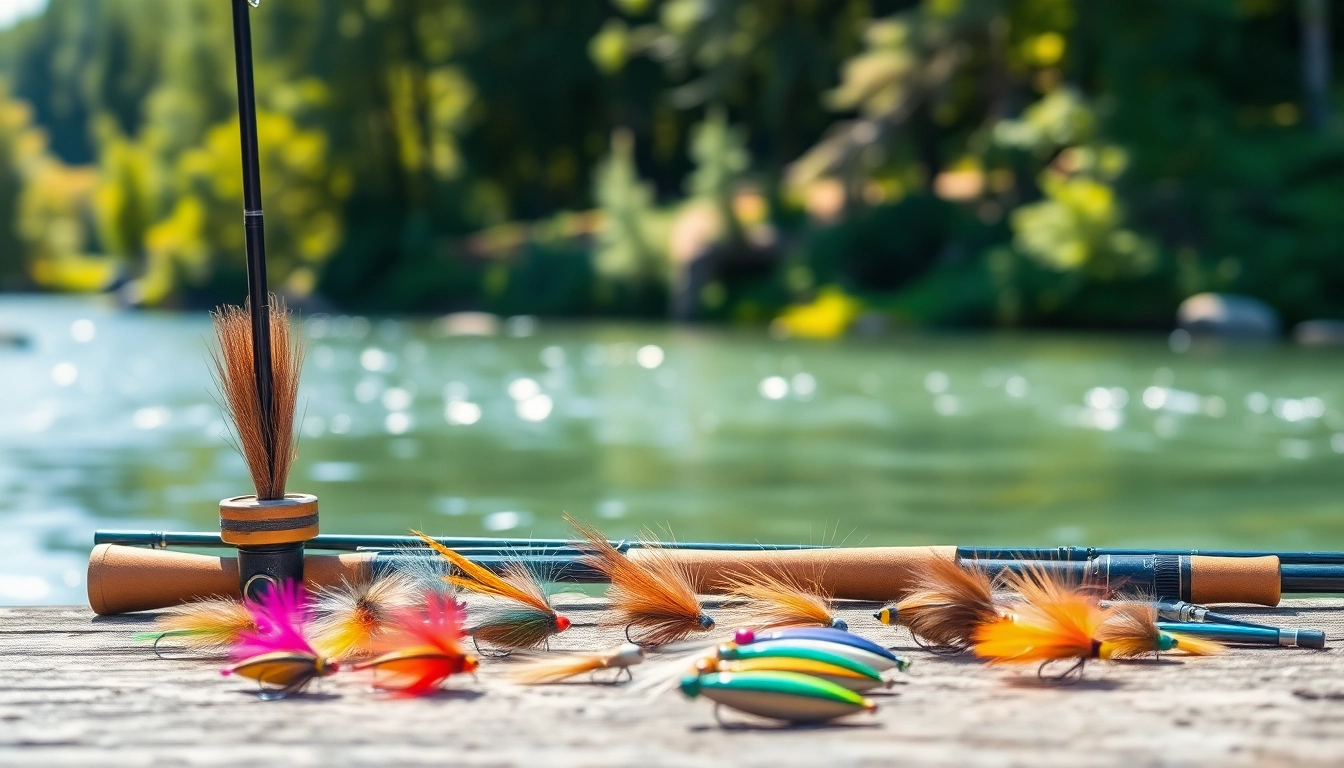
1. Understanding the Basics of a Fly Fishing Kit
Every angler knows that the right gear can significantly influence their success on the waters. Among the most vital pieces of equipment for any fly fisher is a quality fly fishing kit. Understanding the components of this kit is essential for both novice and experienced anglers alike. Here, we break down the elements of a comprehensive fly fishing kit, helping you to get acquainted with the essentials that will take your fly fishing experience to the next level.
1.1 What’s Included in a Standard Fly Fishing Kit
A standard fly fishing kit typically includes several key components that work together to help you catch fish effectively. These often comprise:
- Fly Rod: This is the long, flexible rod designed to cast the fly line and lure.
- Fly Reel: A mechanism that holds the fly line and allows for controlled line release and retrieval.
- Fly Line: This special line is heavier and thicker than regular fishing line to allow for casting flies. It comes in various types to suit different fishing conditions.
- Leader Line: Attached to the end of the fly line; it is clear, making it harder for fish to see.
- Flies: The artificial lures designed to attract fish, imitating insects or small bait.
- Backing Line: A secondary line that provides additional length and strength, spooled under the fly line on the reel.
- Accessories: Items like tippets, fly boxes, and line nippers are often included or recommended alongside the core components.
1.2 Types of Fly Rods and Reels Explained
Choosing the right fly rod and reel is crucial as they come in various types and specifications to match different fishing environments and targeted fish species. Fly rods are generally categorized by their length and weight:
- Length: Fly rods range from around 6 to 10 feet. Shorter rods are suitable for small streams, while longer rods are ideal for larger bodies of water.
- Weight: The weight correspondingly relates to the type of fish you’re targeting and the flies you’re using. Common classifications range from 1-weight for small trout to 12-weight for big game fish.
Complementing the fly rod is the fly reel, which should balance well to enhance your casting and retrieval experience. Reels are usually classified into:
- Single Action: These reels allow for direct line retrieval upon turning the handle, ideal for beginners.
- Multiplying Reels: These offer a mechanical advantage, allowing faster line retrievals, suited for advanced fishers and larger fish.
1.3 Selecting the Right Lures for Your Kit
The flies you include in your kit can make or break your day on the water. They come in two main categories: dry flies, which float on top of the surface, and wet flies, which sink and mimic underwater insects. When selecting flies:
- Consider the Local Ecosystem: What insects are prevalent in your fishing area? Matching your flies to local hatches increases your chances of catching fish.
- Learn the Basics: Familiarize yourself with common patterns, like the Adams or the Woolly Bugger, which are versatile and effective.
- Seasonality: Fly preferences may change based on the time of year, so adjusting your selection seasonally is advisable.
2. Choosing the Perfect Fly Fishing Kit for Beginners
For novice anglers, selecting the right fly fishing kit can be daunting. With a plethora of options available, it’s crucial to narrow down choices by considering budget, features, and the type of fishing experience you desire.
2.1 Budget-Friendly Fly Fishing Kits
Starting a fly fishing journey doesn’t have to break the bank. There are many budget-friendly kits on the market that provide quality without compromising performance. Brands often offer combo kits that include a rod, reel, and some flies at a competitive price. Popular options include:
- Orvis Encounter Kit: An excellent value for beginners, it comes fully equipped and ready to use.
- Wild Water Fly Fishing Kit: Offers decent quality at an economical price point, emphasizing ease of use for novices.
- Redington Crosswater Outfit: Known for durability and good casting performance, suitable for various waters.
2.2 Key Features to Look For
When selecting a fly fishing kit, especially for beginners, certain features should be prioritized:
- Ease of Use: Opt for lightweight rods and reels that are easy to handle.
- Casting Ability: Look for rods with a medium or moderate action, which are forgiving and enhance casting distance.
- Versatility: Choose a set-up that allows you to fish in various conditions—rivers, lakes, and coastal waters.
- Warranty: A good warranty can offer peace of mind in case of unexpected issues.
2.3 Reviews of Top Beginner Kits
To help you make an informed decision, here are a few comprehensive reviews of top beginner kits that stand out in performance:
- Sougayilang Fly Fishing Rod and Reel Combo: Praised for its lightweight construction and ability to handle various fishing challenges, this kit provides a great entry into fly fishing.
- Shadow Fly Fishing Combo: This package is appealing for its combination of affordability and functionality, perfect for new fishers looking to learn the ropes.
- Okuma Ceymar Fly Fishing Combo: Offers excellent user feedback regarding quality and price, allowing beginners to enjoy a seamless fishing experience.
3. Essential Accessories to Enhance Your Fly Fishing Kit
An effective fly fishing kit isn't just about the basics; several accessories can enhance your fishing experience by improving convenience, organization, and success on the water.
3.1 Fishing Line: Importance and Selection
While fly line is included in your kit, further choices regarding line type and selection will optimize your fishing experience. Here’s what to consider:
- Types of Lines: Floating, sinking, and intermediate lines cater to different fishing scenarios, allowing for versatility in depth and fishing style.
- Weight Forward vs. Double Taper: Weight forward lines excel in distance casting, while double taper lines are excellent for delicate presentations.
- Matching Line to Rod: Ensure your fly line weight corresponds to your rod for balanced performance.
3.2 Fly Boxes: Keeping Your Lures Organized
Organization is key in fly fishing, and a sturdy fly box can make all the difference when you’re out on the water. Choose a box that’s waterproof and easy to carry, with sufficient compartments to organize flies based on type, size, or color. A good fly box will help you quickly identify and access your flies, reducing the time spent rummaging through gear.
3.3 Protective Gear for Comfort and Safety
Protection while fishing is paramount. Essential gear includes:
- Waders: Keep you dry when wading in rivers or lakes.
- Sun Protection: Wear long sleeves, sunglasses, and hats to shield from UV rays.
- Footwear: Invest in quality wading boots for traction and comfort in slippery environments.
4. Techniques for Using Your Fly Fishing Kit Effectively
Owning a fly fishing kit is just the beginning; knowing how to use it effectively is what will elevate your fishing skills. Understanding casting techniques, water behaviors, and species targeting are core components of this learning curve.
4.1 Casting Techniques: Getting Started
Mastering casting is fundamental in fly fishing. Start with these basic techniques:
- Overhead Cast: The most common casting method involves lifting the line above your head and then forward, letting the rod tip lead the line.
- Roll Cast: Useful in tight spaces, this cast involves flicking the rod without lifting the line high, rolling it forward on the water's surface.
- Sidearm Cast: A hybrid technique that keeps the rod at a lower angle, minimizing obstruction from trees and vegetation.
4.2 Understanding Water Behavior for Better Fishing
Understanding how water behaves is essential for locating fish. Key concepts include:
- Current: Fish tend to stay in slower-moving areas just off strong currents.
- Structure: Look for rocks, logs, and drop-offs as these spots provide shelter for fish.
- Temperature: Fish are more active in warmer water, so knowing seasonal temperature changes can guide your fishing strategies.
4.3 Tips for Catching Different Species with Your Kit
Different species require tailored strategies. Here are tips for targeting popular species:
- Trout: Use smaller flies and focus on insect hatches in spring and summer.
- Bass: Larger, more colorful flies tend to attract bass, especially during their active feeding times.
- Steelhead: These fish require unique techniques, often involving swinging larger flies in deeper pools during spawning seasons.
5. Maintenance and Care for Your Fly Fishing Kit
Proper maintenance of your fly fishing kit is crucial for longevity and performance. Developing good practices will ensure your gear remains in top shape for every outing.
5.1 Cleaning Your Gear After Every Use
Saltwater and freshwater expose your gear to dirt, grime, and corrosive elements. Always rinse your fly rod, reel, and line in fresh water after each trip. Clean your reels and inspect for any damage or wear that may require immediate attention.
5.2 Storing Your Fly Fishing Kit: Best Practices
Store your gear in a cool, dry environment, preferably in a protective case or bag that reduces wear and tear. Unroll your lines and avoid over-winding to prevent kinks, and keep your box organized to easily access flies.
5.3 Upgrading Your Kit: Signs You Need New Gear
Over time, your original kit may need upgrades. Look for signs such as:
- Damaged Rods or Reels: Cracks or rough spots can severely impact performance.
- Line Memory: If your fly line retains bends or kinks, it may need replacement.
- Wear on Flies: If your flies are losing color or shape, replacing them will enhance your success on the water.
In conclusion, a fly fishing kit is essential for any angler looking to enjoy this rewarding sport. Understanding the components, selecting the right equipment, and implementing proper techniques is key to an enjoyable fishing experience. Proper care and maintenance will ensure your gear serves you well for years to come, leaving you with many successful days on the water.