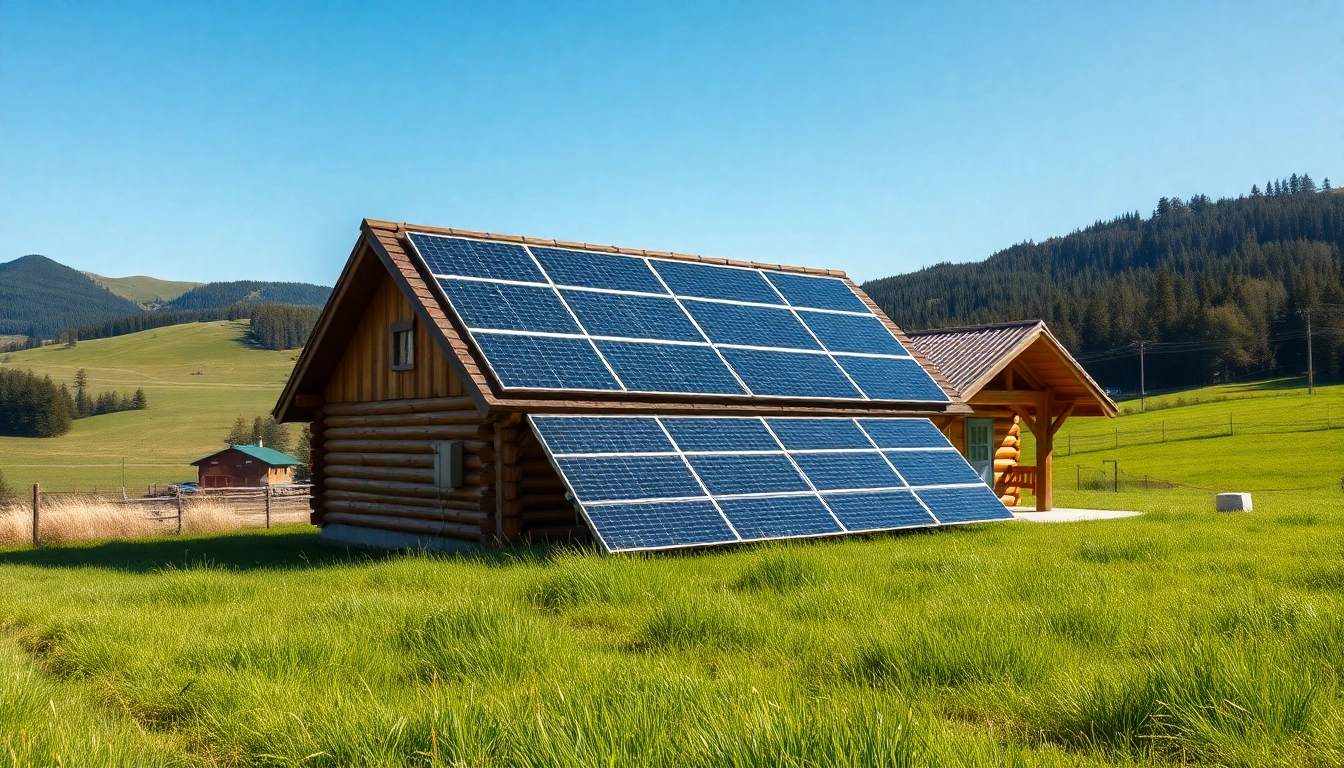
Understanding Off Grid Home Solar Systems
What is an Off Grid Home Solar System?
An off grid home solar system is designed to operate independently of the traditional electricity grid. These systems harness solar energy through photovoltaic panels to generate power for residential use, enabling homeowners to become self-sufficient. Unlike grid-tied systems that rely on utility power, off-grid systems provide an alternative for those desiring autonomy, especially in remote areas, disaster-prone regions, or for those who strive for sustainability.
Components of Off Grid Solar Systems
An off-grid solar system comprises several critical components:
- Solar Panels: The primary component that captures sunlight and converts it into electricity.
- Inverter: Converts the direct current (DC) from solar panels into alternating current (AC), which is used by most household appliances.
- Battery Storage: Stores energy generated during sunny periods for use during cloudy days or nighttime. This is crucial for reliability in an off-grid setup.
- Charge Controller: Regulates the voltage and current coming from the solar panels to prevent overcharging the batteries.
- Mounting System: A structure used to hold solar panels in place, often installed on rooftops or fixed on the ground.
Benefits of Going Off Grid with Solar Energy
Choosing to go off-grid with solar energy comes with numerous benefits:
- Energy Independence: Homeowners are free from fluctuating energy prices and outages associated with utility providers.
- Environmental Benefits: Using solar energy reduces carbon footprints and decreases dependence on fossil fuels.
- Cost Savings: Although the initial cost can be high, long-term savings on utility bills can offset these expenses.
- Increased Property Value: Homes equipped with renewable energy systems can attract buyers and increase overall property value.
- Disaster Resilience: In times of natural disasters or grid failures, having an off-grid system can ensure a reliable power supply for essential needs.
Planning Your Off Grid Solar Installation
Assessing Your Energy Needs
The first step in planning your off-grid solar installation is to assess your energy requirements accurately. Start by analyzing past electricity bills to determine your typical usage in kilowatt-hours (kWh). List all appliances and devices you plan to power, noting their wattage and usage frequency. This evaluation will provide insights into the total energy demand, which directly influences the size and components of your solar system.
Choosing the Right Solar Equipment
Once you understand your energy needs, the next step is selecting appropriate equipment. Look for high-efficiency solar panels, reliable inverters, and a robust battery storage system that fits your energy profile. Brands vary in quality, so research user reviews and performance ratings. Consider consulting with a solar expert to ensure your selections align with your long-term objectives.
Site Evaluation and Optimization
Your installation site is critical to the performance of your solar system. Conduct a site evaluation to understand sunlight exposure, shading obstacles, and climate conditions. South-facing roofs typically maximize sun exposure in the northern hemisphere. Ensure that the installation location has sufficient space for all components and allows for easy maintenance access.
Installation Steps for Off Grid Solar Systems
Mounting Solar Panels Safely
Safety is paramount in solar panel installation. Begin by securing the mounting system according to the manufacturer's specifications. Properly align and angle the solar panels to capture the maximum sunlight throughout the day. Use appropriate tools and safety measures, such as harnesses and scaffolding, if necessary, when working at heights.
Wiring and Connecting Your System
Once the panels are mounted, the next step is wiring them to the inverter and batteries. Use high-quality cables and connectors to ensure efficient energy transfer and to minimize losses. Follow schematic diagrams provided by equipment manufacturers and adhere to local electrical codes to avoid any hazards.
Setting Up Battery Storage
Properly setting up battery storage is crucial to ensuring a reliable energy supply. Place batteries in a cool, dry location, following the manufacturer's guidelines for spacing and ventilation. Connect the batteries using appropriate gauge wiring to handle the expected load without overheating.
Maintaining Your Off Grid Solar System
Regular Inspections and Cleaning
Maintenance is essential to keep your off-grid solar system operating efficiently. Clean the solar panels regularly to remove dust, debris, and snow to maintain optimal performance. Schedule routine inspections to check for wear and tear on wires, connections, and other components to prevent unforeseen issues.
Troubleshooting Common Issues
Despite best efforts, challenges may arise. Common issues include inverter failures, battery undercharging, and shading impacts reducing power output. Familiarize yourself with troubleshooting techniques, and keep a guide handy to assist in diagnosing problems. In many cases, consulting with a professional can expedite resolutions.
Maximizing System Efficiency
To ensure your system operates efficiently, consider incorporating energy-saving practices within your home. Use energy-efficient appliances and LED lighting to reduce overall consumption. Additionally, periodically monitor your system's performance through dedicated apps or software to identify areas for improvement.
Real-World Examples of Successful Off Grid Solar Homes
Case Study: A Family's Journey to Sustainability
A family in Oregon decided to transition to off-grid living to minimize their environmental impact. With a 10kW solar panel system coupled with a large battery bank, they successfully eliminated their dependence on the grid. Throughout the process, they documented challenges and milestones, providing a roadmap for others. They achieved a balance of energy efficiency and renewable generation that positively impacted their lifestyle.
Innovative Off Grid Solutions from Around the Globe
Across the globe, innovative off-grid solutions are emerging. For example, in rural India, community solar projects are uplifting entire villages by providing reliable electricity for schools and homes. In Scandinavia, integration with other renewable sources, such as wind and hydro, enhances energy reliability for remote areas. These examples highlight how off-grid systems can be tailored to specific environmental and societal needs.
Lessons Learned and Best Practices
Every successful off-grid solar installation yields valuable lessons. Key takeaways include the importance of thorough planning, accurate energy assessments, and the need for quality components. Engaging with experienced professionals can provide insights that enhance efficiency and extend system longevity. Best practices also emphasize the significance of community support and knowledge-sharing among off-grid users.