Understanding Steel Structure Design
Steel structure design is a crucial aspect of modern construction, allowing for the creation of durable, efficient, and aesthetic buildings. This design methodology emphasizes the use of steel as the primary material due to its unique properties that make it ideal for various structural applications. In this article, we will explore the intricacies of steel structure design, including its definitions, types, advantages, design principles, challenges, best practices, and metrics for measuring success.
Understanding the nuances of steel structure design is paramount for engineers, architects, and builders to execute projects that meet both functional and aesthetic requirements. This comprehensive guide aims to provide a foundational understanding and practical insights into the world of steel structures.
What is Steel Structure Design?
Steel structure design refers to the process of creating a building framework primarily composed of steel, a material renowned for its strength-to-weight ratio, flexibility, and durability. The design process encompasses various stages, including analysis, material selection, and the application of construction codes and best practices to ensure that structures not only withstand the intended loads but also provide safety, comfort, and longevity.
Steel can be utilized in various forms, such as beams, columns, and steel plates, allowing for creative and efficient architectural solutions. The design incorporates considerations for both static and dynamic loads, accounting for factors like wind, seismic activity, and human occupancy, which all influence the behavior of structures.
Types of Steel Structures
There are several types of steel structures commonly used in construction, each serving diverse purposes depending on their design and application. Some of the most notable types include:
- Frame Structures: These are composed of vertical columns and horizontal beams, typically used in multi-story buildings. Frame structures provide flexibility in layout and can accommodate large open spaces.
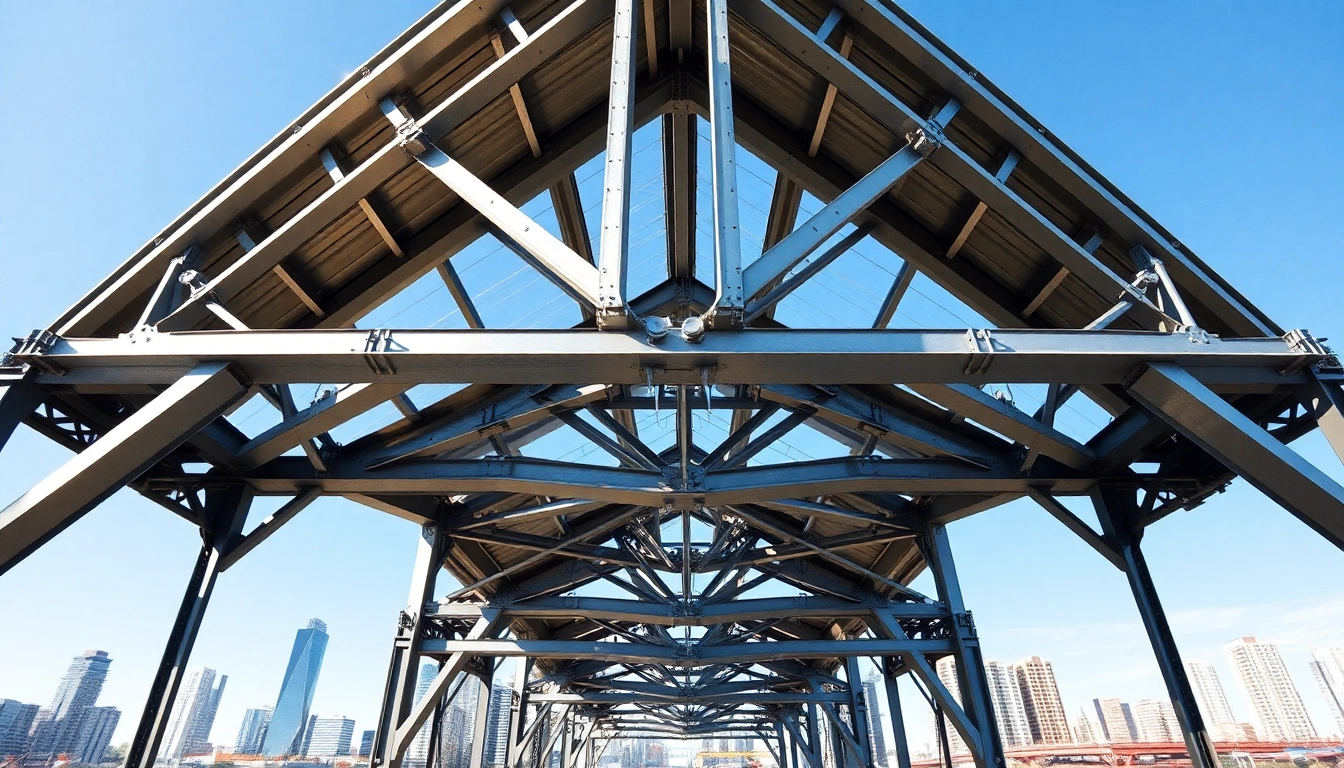
- Truss Structures: Characterized by a framework of triangular units, trusses are commonly employed in bridges and roof systems. They efficiently distribute loads and reduce material usage.
- Arch Structures: These utilize curved steel components to support loads, often seen in sports facilities and auditoriums. The elegant shape of arches allows for large spans with minimal material.
- Shell Structures: Relying on steel plates or sheets, shell structures achieve strength through curved surfaces. These are ideal for large, open spaces and are often used for stadiums and exhibition halls.
Each type offers unique advantages and is selected based on specific project requirements, environmental conditions, and budget constraints.
Advantages of Steel in Construction
The widespread use of steel in construction can be attributed to its numerous advantages. Some key benefits include:
- Strength and Durability: Steel possesses a high tensile strength, making it capable of bearing significant loads and resisting environmental impacts over time.
- Speed of Construction: Prefabrication of steel components allows for quicker assembly on-site, thus reducing project timelines and labor costs.
- Design Flexibility: Steel's versatility permits innovative designs and modifications, accommodating a wide array of architectural styles.
- Recyclability: Steel is a sustainable material; it can be recycled without losing structural integrity, contributing to green building practices.
These advantages make steel an ideal choice for various construction projects, from residential buildings to commercial complexes and infrastructure developments.
Key Design Principles of Steel Structures
Effective steel structure design hinges on several fundamental principles that ensure the longevity, safety, and efficiency of the construction. These principles include considerations of load-bearing capabilities, material properties, and sustainable practices.
Load-Bearing Considerations
Load-bearing is a critical aspect of any structural design. Engineers must accurately assess the loads a structure will encounter during its lifespan, including dead loads (the weight of the structure itself), live loads (occupants, furniture, and equipment), and environmental loads (wind, snow, and seismic forces). Understanding these loads is essential for determining appropriate steel sizes and shapes, as well as structural redundancies to enhance safety.
Moreover, the load distribution within the structure must be considered to ensure that materials are used efficiently while minimizing excess weight. Load calculations form the basis for model simulations that guide design decisions throughout the project lifecycle.
Material Selection and Properties
Selecting the appropriate steel type and grade is a cornerstone of effective steel structure design. Common steel grades include:
- Structural Steel (A36, A992): Often used in construction, these grades provide a good balance of strength and ductility.
- High-Strength Steel: Used in applications requiring higher performance, such as bridges and tall buildings, high-strength steels exhibit improved mechanical properties.
- Stainless Steel: Renowned for its corrosion resistance, stainless steel is utilized in structures exposed to harsh environments.
Understanding the mechanical properties, such as yield strength, ductility, and weldability, allows engineers to make informed decisions that impact durability, cost-efficiency, and structural integrity.
Sustainable Steel Design Practices
As environmental concerns grow, the integration of sustainability in steel structure design has become imperative. Sustainable design practices aim to minimize the ecological footprint of construction projects while maximizing resource efficiency. Key strategies include:
- Life Cycle Assessment (LCA): Conducting LCA to evaluate the environmental impact of materials from extraction through disposal informs better material choices and design decisions.
- Energy Efficiency: Implementing design choices that enhance insulation and reduce energy consumption during a structure's lifespan.
- Recycling and Reuse: Opting for recycled steel or designing structures for deconstruction promotes a circular economy in construction.
Adopting these practices not only bolsters a firm's reputation but also meets the growing demand for green buildings and sustainable construction processes.
Common Challenges in Steel Structure Design
Despite its advantages, steel structure design presents several challenges that require careful consideration and planning. Identifying these obstacles early in the design process can lead to innovative solutions and more successful outcomes.
Identifying Design Constraints
Design constraints can arise from various sources, including site conditions, zoning regulations, or client-specific demands. Effective communication among stakeholders is essential for recognizing these limitations early in the design phase, allowing for timely adjustments and creative solutions. Utilizing advanced modeling software can help visualize constraints and explore design alternatives that comply with regulations while meeting project goals.
Managing Costs and Budgeting
Cost management is a critical factor across all stages of steel structure design. From initial material selection to labor and operational costs, staying within budget is paramount. Engineers must employ cost estimation strategies, such as value engineering, to assess different design options and their associated expenses. Timely analysis of costs throughout the project lifecycle allows teams to make informed choices that prevent budget overruns while ensuring quality and compliance with professional standards.
Addressing Environmental Factors
Steel structures are subject to environmental challenges that can affect their design and longevity. Factors such as temperature variations, moisture exposure, and seismic activity must all be considered to ensure structural stability and safety. Engineers can mitigate these risks by employing protective coatings, selecting corrosion-resistant materials, and incorporating flexibility in design to accommodate movement due to environmental stresses. Understanding local environmental conditions and regulations is critical to creating resilient structures that stand the test of time.
Best Practices for Efficient Steel Structure Design
Implementing best practices is essential for achieving efficient and effective steel structure designs. By leveraging technology, fostering teamwork, and ensuring quality, engineering teams can elevate their projects and outcomes.
Implementing Advanced Design Software
Advanced design software has become indispensable in steel structure design, providing tools for modeling, analysis, and simulation. Programs like AutoCAD, Tekla Structures, and Revit allow engineers to create detailed 3D models and run simulations that assess structural integrity under various conditions. These software solutions reduce errors, streamline collaboration, and enhance communication among team members, leading to improved design accuracy and efficiency.
Collaborative Approaches in Design Teams
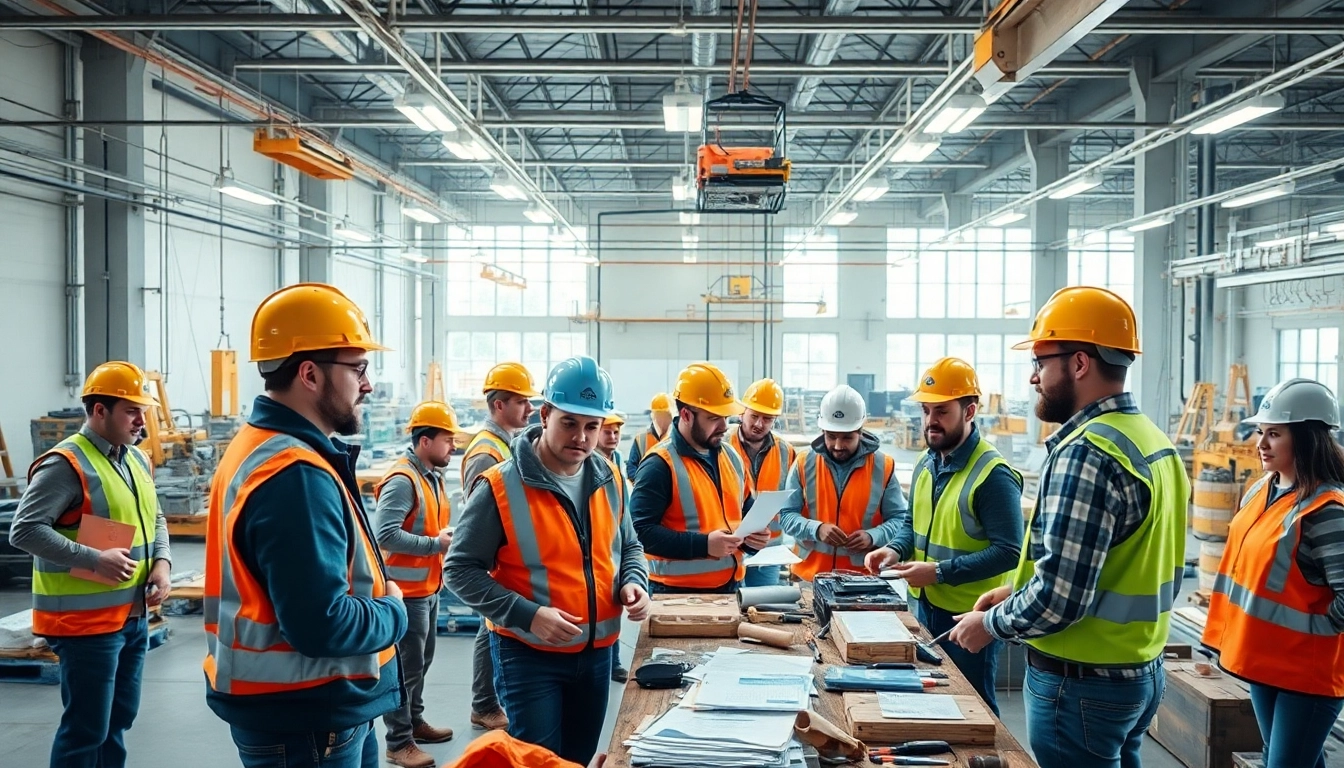
Collaboration among architects, engineers, and contractors is critical for successful steel structure projects. Early involvement of all stakeholders can foster innovative ideas, enhance problem-solving capabilities, and streamline decision-making. Utilizing Building Information Modeling (BIM) allows teams to collaborate in real time, visualize complex interactions, and address potential conflicts before construction begins, ultimately saving time and resources.
Quality Control and Assurance Methods
Implementing robust quality control and assurance methods is essential to maintaining high standards in steel structure design and construction. To achieve this, implementing standardized protocols for inspections, testing materials, and verifying compliance with design specifications is critical. Rigorous documentation of quality processes ensures that any issues are identified and rectified quickly, facilitating continuous improvement in design practices.
Measuring Success in Steel Structure Projects
Assessing the success of steel structure projects involves evaluating various performance metrics that reflect both design achievements and operational efficiency. Establishing clear criteria at the outset helps teams focus on desired outcomes and measures progress throughout the project's lifecycle.
Performance Metrics to Evaluate Design
Key performance metrics to evaluate the success of steel structure designs include structural integrity, operational efficiency, cost-effectiveness, and user satisfaction. Structural integrity can be assessed through simulations and testing under expected load conditions, while operational efficiency focuses on how well the structure accommodates its intended purpose. Cost-effectiveness considers both upfront costs and long-term maintenance requirements, while user satisfaction gauges the experiences and impressions of occupants.
Case Studies of Successful Structures
Studying successful steel structures provides insights into best practices and innovative solutions applied in real-world projects. For example, the Burj Khalifa in Dubai showcases how effective load management and state-of-the-art design techniques can produce an iconic skyscraper. Similarly, the Sydney Harbour Bridge serves as a testament to the durability and longevity of steel structures, having remained a crucial transportation link since its completion. Each project serves as a valuable case study, illustrating various approaches and lessons learned that can inform future designs.
Feedback and Continuous Improvement in Design
Continuous improvement in steel structure design relies heavily on feedback from various stakeholders, including clients, construction teams, and end-users. Conducting post-project evaluations allows for the identification of areas for enhancement, while adopting lessons learned into future designs is crucial for evolving best practices. Establishing a culture of feedback encourages transparency, adaptation, and innovation in steel structure design, ultimately enhancing the overall quality and effectiveness of future projects.