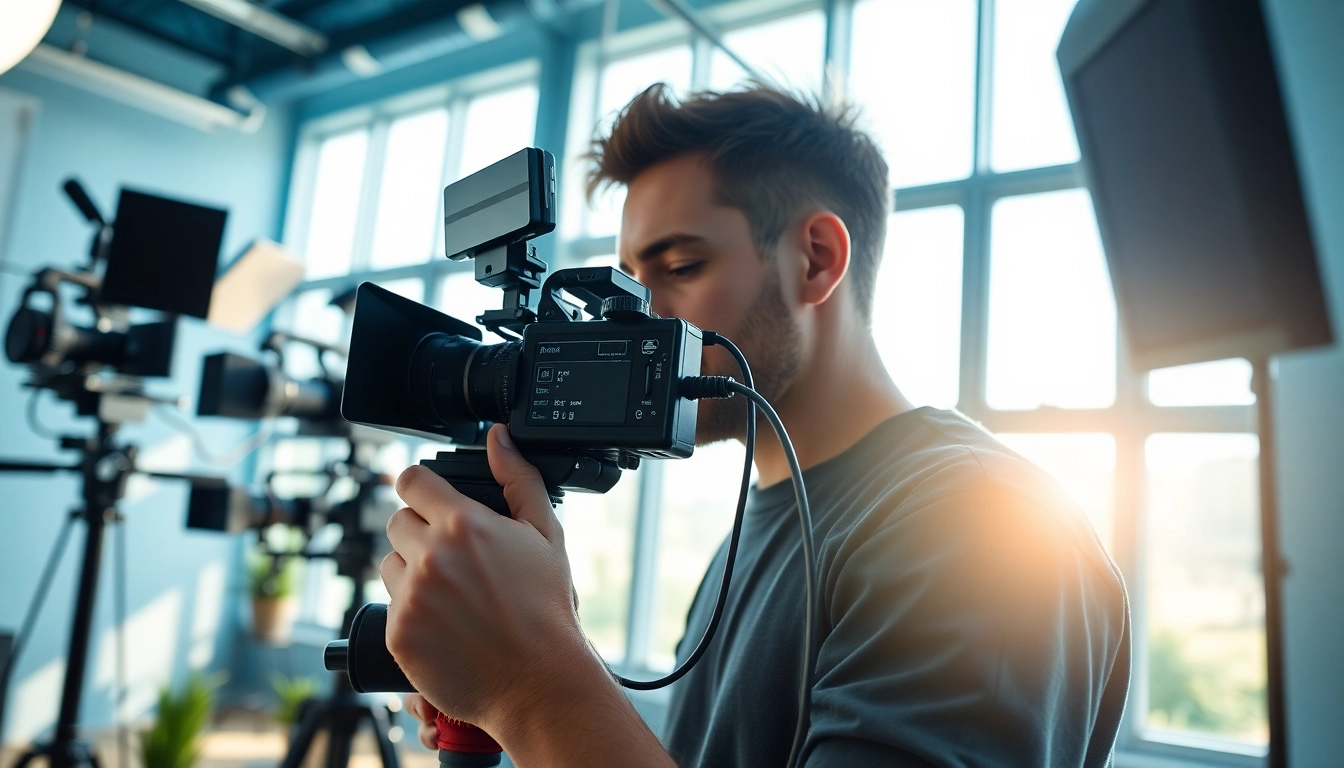
Understanding Video Capture Basics
Video capture is an essential component in the realm of digital media, serving as the bridge between an original video source and its digital representation. As technology advances, understanding the nuances of video capture becomes crucial for creators, marketers, and businesses looking to leverage video content to enhance their communication strategies and audience engagement. This article will delve into the fundamentals of video capture, providing a thorough exploration of its processes and applications. For more intricate details and expert guidance on video capture techniques, consider exploring additional resources that can elevate your understanding and implementation strategies.
What is Video Capture?
At its core, video capture refers to the process of converting an incoming video signal—whether digital or analog—into a format that can be utilized for playback, editing, or streaming. This process encompasses a variety of tools and techniques, depending on the source of the video. For instance, video can originate from various devices, including cameras, camcorders, analog audio-visual equipment, or even computer screens.
Types of Video Signals Used in Video Capture
In video capture, two primary types of signals are commonly utilized: analog and digital. Understanding these signals is pivotal for selecting the right equipment and methods for your project:
- Analog Signals: Traditionally used by older devices, such as tape recorders and VCRs, analog signals are continuous waves that deliver information in a varying form. These signals require specific video capture devices to convert them into the digital format required for editing and sharing over modern platforms.
- Digital Signals: Modern devices predominantly use digital signals, which are composed of binary information (ones and zeros). Digital video capture offers enhanced quality and easier manipulation, making it the preferred choice for most contemporary media applications.
Choosing the Right Equipment for Video Capture
The equipment you choose for video capture can significantly impact the quality and usability of the final product. Here are some essential components to consider:
- Video Cameras: Select a camera that meets the quality standards required for your project. Professional-grade cameras often offer superior resolution and frame rates compared to consumer-level options.
- Capture Devices: Depending on your source, you may require specific capture devices, such as a video capture card for computers or dedicated capture hardware for older analog devices.
- Lighting Equipment: Proper lighting is critical in achieving high-quality video. Invest in lighting solutions that can be adjusted based on the shooting environment.
- Audio Equipment: Clear sound is as essential as the visual aspect. Using quality microphones and audio interfaces will contribute to a polished final product.
Setting Up Your Video Capture Environment
Once you have the necessary equipment, setting up your video capture environment is the next pivotal step. An ideal environment can make a significant difference in the quality of the content you produce.
Optimal Lighting Techniques for Video Capture
Lighting plays a crucial role in video capture, as dark or poorly lit scenes can detract from the viewer's experience. When setting up your lighting, consider these techniques:
- Three-Point Lighting: This classic technique involves using three light sources: key light, fill light, and backlight. The key light is the main source, the fill light softens shadows, and the backlight adds depth to the scene.
- Natural Light: If you're shooting during the day, utilize natural light as much as possible. Position your setup near windows, but be mindful of direct sunlight and its harsh shadows.
- Diffusers and Reflectors: Use diffusers to soften light and reduce the intensity of shadows. Reflectors can help bounce light into darker areas, creating a more balanced look.
Sound Considerations in Video Capture
Audio quality is just as critical as video quality. Poor sound can often make a production feel amateurish. To ensure professional-grade audio, consider these strategies:
- Use Quality Microphones: Invest in good-quality microphones that suit your recording scenario, whether lavalier mics for interviews or shotgun microphones for broader sounds.
- Monitor Audio Levels: Always use headphones during recordings to monitor audio levels. This practice helps catch unwanted background noise or audio distortion before post-production.
- Acoustic Treatment: If capturing sound in a dedicated space, consider using sound-absorbing panels or materials to minimize echo and background noise.
Arranging Your Space for Seamless Video Capture
Organizing your filming space can streamline the video capture process and enhance the final outcome. Here’s how to arrange your setup effectively:
- Clear the Background: Ensure that the background is not cluttered. A clean, visually appealing background enhances professionalism.
- Position Your Equipment Wisely: Place cameras, microphones, and lights in a way that allows flexibility for movement and interaction while filming.
- Test Your Setup: Before starting your shoot, conduct a test recording. This allows you to assess lighting, sound quality, and camera angles.
Video Capture Software: A Comparison
After capturing your video content, the next critical step is the software used for editing and processing the footage. The right software can enhance your editing workflow and significantly affect the final product quality.
Popular Software Options for Video Capture
There are various software programs available tailored for different uses, from beginners to professional-grade editing. Common options include:
- Open Broadcaster Software (OBS): A free and open-source software that allows both video capturing and live streaming. Its flexibility and user-friendly interface make it a popular choice.
- Adobe Premiere Pro: A professional editing software that offers advanced features, suitable for filmmakers and content creators wanting high-quality output.
- Final Cut Pro: Favored by Mac users, this software offers intuitive features and powerful editing capabilities that cater to professional video producers.
Features to Look for in Video Capture Software
When selecting video capture software, consider the following features to ensure it meets your needs effectively:
- User Interface: The software should have an intuitive interface that allows for easy navigation and operation without extensive training.
- Compatibility: Ensure the software is compatible with your hardware and can handle the input formats you intend to use.
- Editing Tools: Look for essential editing features like trimming, transitions, effects, and color correction capabilities.
- Export Options: A good video capture software should offer various export formats and settings to optimize your content for different platforms.
Free vs Paid Software for Video Capture Needs
Choosing between free and paid video capture software depends on your specific requirements:
- Free Software: Often suitable for beginners or small projects, free tools may lack advanced features and flexibility but are great for basic tasks.
- Paid Software: Offers a comprehensive set of tools, regular updates, and customer support, making them a worthy investment for serious creators seeking high-quality production.
Advanced Techniques for Professional Video Capture
For those looking to elevate their video capture skills, mastering advanced techniques can significantly enhance the production quality. Here are some methods to consider:
Using Multiple Cameras for Dynamic Video Capture
Implementing multiple cameras during a shoot allows for diverse angles and dynamic storytelling. Here’s how to effectively utilize this technique:
- Set Up Different Angles: Position cameras at varying angles to capture action from different perspectives, providing viewers with a richer experience.
- Switching Techniques: Use a video switcher or editing software to seamlessly transition between camera angles during post-production or live-action shooting.
- Maintain Consistent Settings: Ensure all cameras are set to the same resolution, frame rate, and color balance to maintain cohesiveness in the final product.
Editing Essentials Post Video Capture
Edit your footage to remove mistakes, enhance visuals, and create a cohesive narrative. Focus on:
- Color Correction: Adjusting color balance can drastically change the tone and feel of your video, making it essential for creating a professional look.
- Sound Mixing: Balance audio levels across different tracks to ensure coherence and clarity, making necessary adjustments to eliminate background noise.
- Incorporate Graphics: Adding titles, lower thirds, and graphics can enhance the presentation and make the content more engaging.
Tips for Live Streaming Video Capture
Live streaming brings unique challenges that require specific techniques for effective video capture:
- Reliable Internet Connection: A strong and stable connection is crucial for avoiding interruptions during live broadcasts.
- Engage with Viewers: Use chat functions or social media platforms during streams to interact with your audience, fostering a community atmosphere.
- Plan Your Content: Even in live settings, having a structured plan can help maintain focus and provide a more professional flow to your broadcast.
Measuring Success in Video Capture Projects
Evaluation is key to ensuring that your video capture efforts yield tangible results. Establish measurable objectives to assess the success of your projects.
Key Performance Indicators for Video Capture
Defining key performance indicators (KPIs) can help you quantify the success of your video capture initiatives:
- View Count: The number of views can offer insights into the reach and engagement level of your content.
- Engagement Rate: Monitor likes, shares, and comments to determine how well your audience resonates with the content.
- Retention Rate: Analyzing how long viewers stay engaged with your video can help evaluate its effectiveness and make improvements.
Gathering Feedback After Video Capture
Collecting feedback from your audience can provide invaluable insights and guide your future video capture endeavors:
- Surveys and Polls: Use digital surveys or polls to gather honest opinions about your content.
- Social Media Insights: Monitor discussions and reactions on social platforms to gauge audience sentiment.
Continuous Improvement for Future Video Capture Endeavors
The world of video capture is constantly evolving, making it essential to stay updated and adaptive:
- Analyze Performance: Regularly reviewing performance metrics can highlight areas for improvement and growth.
- Stay Informed on Trends: Keep an eye on industry trends and technologies to remain competitive and relevant in your video capture strategy.
- Invest in Training: Continuous learning and skill development can enhance your capabilities and elevate your productions.