Understanding Exterior Painting
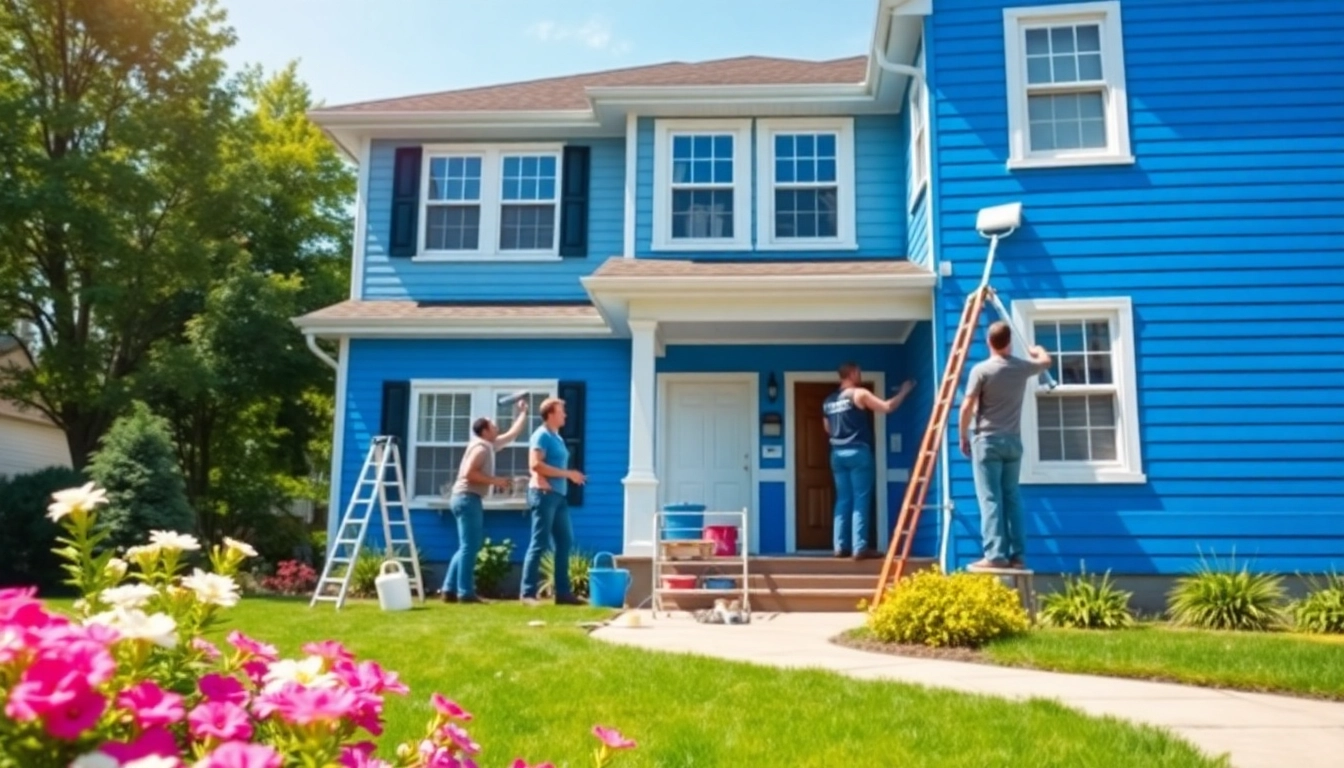
Exterior painting is more than just an aesthetic enhancement; it serves as a critical protective barrier for your home against weather elements and environmental damage. With the right choice of materials and colors, you can transform the curb appeal of your property while ensuring its longevity. As homeowners increasingly seek to enhance not only the beauty but also the resilience of their homes, the significance of professional Exterior Painting has become paramount. This guide dives into the various aspects of exterior painting, including importance, types of paints, and color selection, providing comprehensive insights for anyone considering a paint job for their home.
The Importance of Exterior Painting
The exterior of your home is the first line of defense against environmental factors such as rain, snow, and UV rays. Properly applied exterior paint helps seal and protect surfaces, preventing rot, mildew, and other forms of deterioration. Additionally, a fresh coat of paint can significantly enhance the appearance of your home, boosting its market value and making a lasting impression on visitors.
- Protection: Exterior paint forms a protective layer that shields siding and structures from moisture and pests.
- Aesthetic Appeal: A well-painted home stands out in the neighborhood and reflects the homeowner's style and preferences.
- Increased Property Value: Investing in quality exterior painting can yield a high return on investment, particularly when selling your home.
Common Types of Exterior Paints
When selecting paint for exterior surfaces, it’s crucial to understand the characteristics of different paint types. Each variety offers distinct benefits depending on the material and location. Below are some of the most common types:
- Acrylic Paint: Known for its durability and flexibility, acrylic paint is a top choice for diverse surfaces, providing excellent resistance to fading and peeling.
- Oil-Based Paint: Traditionally favored for its smooth finish and longevity, oil-based paints require longer drying times but are superb for high-traffic areas.
- Elastomeric Paint: Ideal for surfaces prone to cracking, elastomeric paint can stretch to accommodate small movements, offering excellent waterproofing capabilities.
Choosing the Right Color Palette
Selecting the perfect color palette for your home's exterior is a crucial step that involves considering several factors, including architectural style, neighborhood aesthetics, and personal preference. Here are some tips for choosing the right colors:
- Consider the Architectural Style: Match your color choices to your home’s architectural style—e.g., a Victorian home may benefit from rich, traditional colors, while a modern home may look better in contemporary, muted tones.
- Neighborhood Norms: While personal preference is significant, it's essential to consider the colors commonly used in your neighborhood to maintain harmony.
- Test Samples: Always test paint samples on your home’s surface before finalizing your choice to see how they look in different lighting conditions.
Costs Associated with Exterior Painting
Understanding the financial aspects of exterior painting is vital for homeowners planning a project. Costs can vary significantly based on several factors, including the size of the home, materials used, and labor expenses. Here’s a detailed breakdown to help you budget effectively.
Pricing Breakdown by Home Size
The size of your home plays a crucial role in determining the overall cost of exterior painting. Here’s a general pricing breakdown:
- 1,000 sq ft home: $2,500 - $4,000
- 1,500 sq ft home: $3,500 - $6,000
- 2,000 sq ft home: $4,500 - $8,000
- 3,000 sq ft home: $6,000 - $12,000
These estimates include labor, materials, and preparation work. It's important to obtain multiple quotes from professionals to ensure you are getting a fair price.
Factors Influencing Exterior Painting Costs
Several factors can influence how much you will spend on exterior painting:
- Surface Type: Different materials (wood, brick, stucco) may require different painting techniques and materials, affecting costs.
- Prep Work: The condition of your home’s exterior will greatly affect costs—repairs, cleaning, and sanding add to the total price.
- Height and Accessibility: Taller homes or those in harder-to-reach areas may require special equipment, increasing labor costs.
Budgeting for Surface Preparation and Repairs
Proper preparation and repairs are essential to a successful paint job. Budgeting for these items can prevent unexpected costs later:
- Power Washing: Essential for removing dirt, mildew, and peeling paint, typically costing between $100 - $300.
- Repairs: Addressing damaged wood or siding may add $500 - $2,500 to your total budget, depending on the extent of the damage.
- Priming: For certain surfaces, especially when changing colors drastically, priming may add $200 - $500 to your overall costs.
Hiring Professional Painters
While DIY projects can be tempting to save money, hiring professional painters often ensures a quality finish that can last much longer. Below are steps to take when hiring a professional.
How to Select a Reputable Exterior Painting Contractor
Choosing the right contractor requires diligence and research:
- Check Reviews and References: Look for online reviews and ask for references from previous clients.
- Verify Credentials: Ensure they are licensed, insured, and have a good standing with local regulatory bodies.
- Get Multiple Quotes: Obtain at least three quotes to compare prices and services offered.
What to Expect from a Professional Service
When you hire a professional painting service, you should expect:
- Detailed Estimates: Clear breakdowns of costs, timelines, and scope of work.
- Preparation: Proper surface preparation and repair processes completed before painting.
- Post-Job Cleanup: The area should be cleaned and restored to its original condition after the job is done.
Questions to Ask Before Hiring
Before making a final decision, consider asking potential contractors the following questions:
- What type of paints do you recommend? Understanding their preferences helps gauge their expertise.
- How will you handle weather delays? Knowing their policies helps manage your expectations.
- What is your warranty policy? A good contractor should offer a warranty on their work.
DIY vs. Professional: Which is Best for Your Project?
Deciding between a DIY approach and hiring professionals depends on various factors, including skill level, budget, and desired outcomes. Here’s a closer look at both options.
Pros and Cons of DIY Exterior Painting
DIY painting can be rewarding but comes with its challenges:
- Cost Savings: You save on labor costs.
- Flexibility: You can work on your schedule.
- Time-Consuming: DIY projects often take longer than expected.
- Less Professional Finish: Lack of experience may lead to a less polished look.
When to Hire a Professional
Consider hiring professionals if:
- You have a large home or complex architectural features.
- You lack the time or physical ability to complete the job.
- You want a flawless finish that enhances your home’s value.
Common Mistakes Homeowners Make in DIY Painting
Homeowners sometimes make mistakes that can compromise the quality of their painting project, such as:
- Skipping Preparation: Failing to properly clean and prep surfaces will lead to peeling paint.
- Choosing Incorrect Paint: Not selecting the right type of paint can lead to poor durability and coverage.
- Ignoring Weather Conditions: Painting during unsuitable weather can ruin your finish and lead to wasted materials.
Future Trends in Exterior Painting
As we move into 2025, several trends in exterior painting are emerging, driven by environmental consciousness and innovative techniques. Here’s what to look out for:
Eco-Friendly Paint Options for 2025
With growing concern for the environment, many homeowners are opting for eco-friendly paints that are low in volatile organic compounds (VOCs) and free from harmful chemicals. These paints are safer for both the environment and the inhabitants of the home.
Innovative Techniques in Exterior Painting
Techniques such as spray painting and using advanced application tools are becoming popular due to their efficiency and ability to achieve smooth finishes. Additionally, the use of technology in color selection and mixing is enhancing customization.
Predicted Color Trends for Exterior Surfaces
In 2025, expect to see a rise in earthy tones and natural hues, with homeowners favoring colors that blend harmoniously with the surrounding environment. Shades of green, muted blues, and warm neutrals are predicted to dominate the color palettes.