What is an Audio CD?
Definition and History of Audio CD
The audio cd is a digital optical disc used to store and play back audio recordings. Originally launched in the early 1980s, this format fundamentally transformed the music industry, moving away from analog formats like vinyl records and cassette tapes. The creation of the audio cd was a collaboration between Philips and Sony, who established the Red Book standard for audio cd production, which specified crucial details such as track length and quality.
The first commercial audio cds hit the market in Japan in 1982, featuring popular albums that showcased the technology's superior sound quality. The widespread adoption of the audio cd came in the late 1980s and early 1990s, quickly becoming the primary format for music consumption, thanks to its convenience and digital fidelity.
Technical Specifications of Audio CD
Audio cds are typically 120 mm in diameter and have a storage capacity that allows for approximately 74 to 80 minutes of uncompressed audio data. The standard bit rate for audio cd quality is 1,411 kbps, which provides high-fidelity sound. The tracks on an audio cd are sampled at a rate of 44.1 kHz, meaning the audio is captured 44,100 times per second. This combination ensures that the music playback is both rich and detailed, allowing for a full spectrum of sound.
Each audio cd contains a series of pits and lands encoded on a reflective surface. A laser in the cd player reads these imperfections, translating them into audio signals. This precise method of data storage and retrieval is one reason why audio cds are celebrated for their sound quality.
How Audio CD Differs from Other Formats
While the audio cd remains a standard format for music playback, it faces competition from both digital downloads and streaming services. One primary distinction is that audio cds offer uncompressed audio quality, whereas many digital formats, such as MP3 files, utilize compression techniques that can sacrifice sound fidelity.
Another significant difference is the physical nature of cds compared to digital files. Audio cds require a dedicated player, whereas digital formats can be accessed through numerous devices such as smartphones and computers. Despite this, many audiophiles cherish the tactile experience of handling a physical audio cd, along with its visually appealing cover art and liner notes.
Features of Audio CD
Storage Capacity and Formats of Audio CD
Audio cds typically hold between 650 MB to 700 MB of data, which usually translates to 74 to 80 minutes of audio. They can contain different types of audio formats, including standard linear pulse-code modulation (PCM) audio and high-resolution formats, provided they are written according to the Red Book standards.
Beyond standard audio cds, there are also variants like CD-R and CD-RW. CD-Rs allow users to write data once, while CD-RWs enable multiple writes and rewrites, giving flexibility for those who may want to compile diverse albums without needing multiple discs.
Quality of Sound in Audio CD
Audio cds offer an impressive fidelity level due to their high bit rate. The uncompressed nature of the sound, compared to formats like MP3, provides greater clarity and richness. The range of 16-bit sampling yields a dynamic audio representation, producing sounds that are crisp and well-articulated.
For audiophiles, listening to music on an audio cd is a unique experience that allows the listener to hear nuances that may not be present in compressed formats. This clarity can transform a standard listening session into an immersive experience, reviving the artist's original intention.
Durability and Longevity of Audio CD
Audio cds are designed to be fairly durable, with a life expectancy of 10 to 20 years or more under proper storage conditions. The discs are typically made from polycarbonate plastic, which is resistant to scratches when handled correctly. However, they can be sensitive to extreme temperatures and direct sunlight, which can lead to data degradation over time.
The ability to store music collections on an audio cd allows for greater accessibility compared to other formats, which may require constant digital updates or re-purchases. A well-maintained audio cd can continue to deliver high-quality music for years, providing excellent value for collectors and enthusiasts alike.
Benefits of Using Audio CD
Sound Fidelity Advantages of Audio CD
One of the notable benefits of the audio cd is its audio fidelity. As previously noted, the standard audio cd offers high-quality sound reproduction that remains unrivaled by many compressed formats. Sound fidelity is essential for discerning listeners who appreciate fine details in their music, such as instrumental subtleties and vocal nuances.
Additionally, audio cds often maintain better integrity during playback than digital files, which can easily suffer from data loss or degradation. This reliability makes the audio cd a preferable format for music that requires pristine sound quality, such as classical orchestrations or jazz performances.
Music Collection and Organization with Audio CD
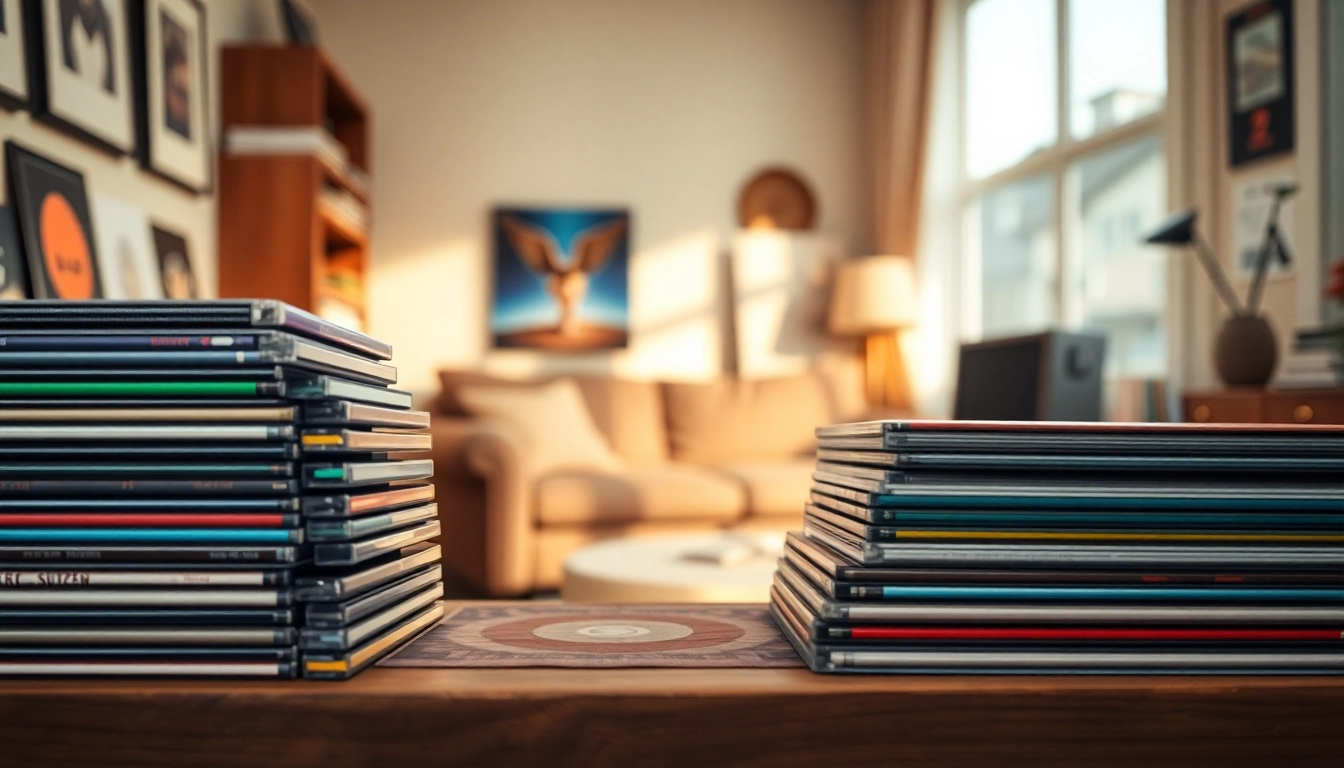
For many, collecting audio cds is as much about the experience as it is about the music. Curating a collection of physical discs provides a tangible aspect that digital formats cannot replicate. Album covers, liner notes, and overall design play a significant role in the enjoyment of music as a whole.
Organizing an audio cd collection allows music lovers to create a personalized music library, showcasing their favorites while also preserving albums that are significant to them. This activity can be particularly satisfying for collectors who take pride in their extensive libraries.
Collecting and Nostalgia: The Audio CD Experience
The audio cd embodies a nostalgic element for many music lovers. Each disc may represent a particular time or phase in someone's life, accompanied by memories associated with listening to specific albums. The act of collecting audio cds can serve as a bridge to those memories, offering a sense of sentimental value that digital files simply cannot provide.
As genres like vinyl have seen a resurgence in popularity, audio cds also hold a nostalgic appeal. The physical format invites listeners to engage with their music actively, whether through browsing collections or attending music shops that offer unique finds.
How to Create Your Own Audio CD
Essential Tools for Making an Audio CD
Creating your own audio cd involves a few essential tools and pieces of software. First, you'll need a computer equipped with a cd writer. Most modern computers come with this capability. You will also need blank audio cds (CD-R or CD-RW) and software for burning the audio files onto the disc. Popular software options include iTunes, Windows Media Player, and dedicated audio cd burning programs.
Before starting, make sure you have your audio files ready to be burned onto the cd. This includes ensuring the files are in a compatible format (like WAV or MP3) and arranging the desired track listing.
Steps to Burn Music onto an Audio CD
To create an audio cd, follow these general steps:
- Insert a blank cd into your cd writer.
- Open your chosen cd burning software and select “Create Audio CD” mode.
- Import your audio files into the software’s track list.
- Arrange the tracks in your desired order and ensure the total length does not exceed 80 minutes.
- Click the “Burn” button to start the cd creation process.
- Wait for the process to complete, then label your cd if desired and store it appropriately.
Troubleshooting Common Audio CD Issues
While burning an audio cd is generally straightforward, issues can occasionally arise. Common problems include finding that a cd won’t play on certain players or not burning correctly. Here are some tips to troubleshoot:
- Ensure your audio files are properly formatted and not corrupt.
- Check that you are using a compatible cd format; not all players can read CD-RW cds.
- Adjust the burning speed in your software settings. Lower speeds can improve compatibility with older cd players.
- If you experience skips or playback issues, consider cleaning your cd drive and the discs themselves.
Future of Audio CD in the Digital Age
Audio CD vs Digital Streaming Trends
As the music industry continues to evolve, the audio cd finds itself competing against digital streaming services that dominate current listening habits. Despite this, audio cds have carved out a niche among collectors and audiophiles who value sound quality and the emotional connection to physical media.
Streaming offers unparalleled convenience, but the unique tactile experience of handling an audio cd and the associated high fidelity will continue to attract those who seek a deeper musical experience.
Reviving Interest in Audio CD among New Generations
New generations are beginning to rediscover the audio cd, often as an extension of the vinyl resurgence. Many younger listeners appreciate the nostalgia and value that comes from owning a physical representation of their favorite music. The audio cd also benefits from being more compact and portable compared to vinyl records while still maintaining a rich audio quality.
Additionally, with limited-edition releases and remastered albums being produced in cd format, music fans are incentivized to explore physical collections.
Collecting Audio CD in a Digital World
The act of collecting audio cds continues to be a worthwhile pursuit for many music enthusiasts. In a world dominated by instant streaming and digital downloads, the dedication required to curate a cd collection serves as a testament to one’s passion for music.
This careful curation not only aids in preserving music history but also facilitates an intimate connection between the listener and the artist’s work — a connection that digital formats often fail to nurture fully. Collecting, organizing, and enjoying audio cds fosters a culture of appreciation that is worth celebrating in this digital age.