What is a Smog Test?
Definition and Purpose of Smog Test
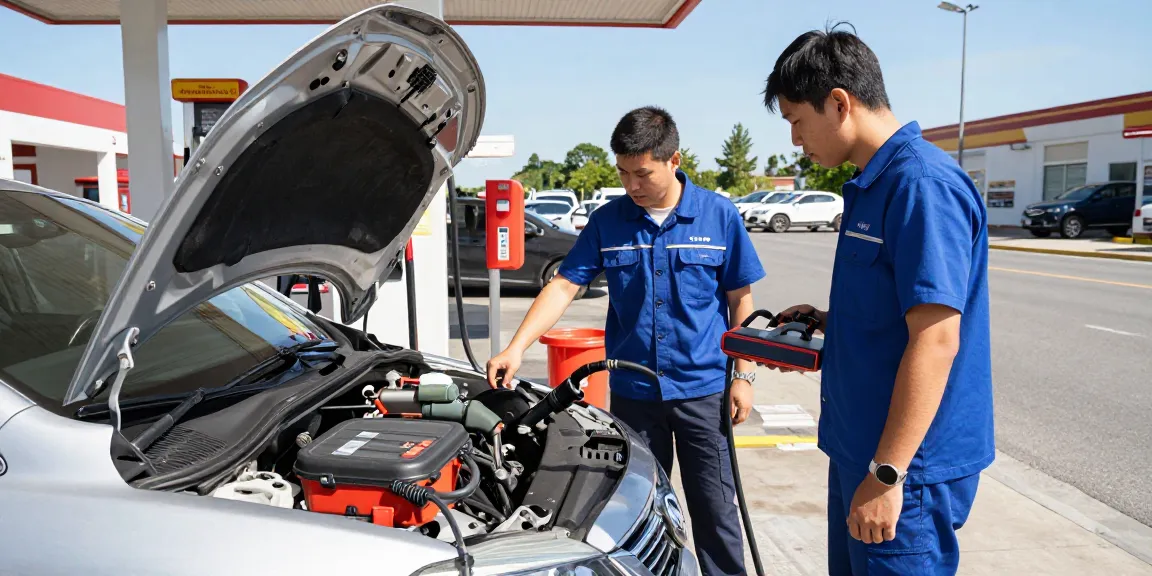
A Smog Test is an inspection that measures the emissions produced by a vehicle. The primary goal of this test is to ensure that cars on the road operate within the limits set by environmental regulations. By evaluating how much pollution a vehicle emits, the smog test promotes cleaner air and minimizes the negative impact of vehicle emissions on the environment.
How Smog Tests Help Reduce Pollution
Smog tests play a crucial role in reducing pollution levels in urban environments. Vehicles are a significant source of air pollutants, which can contribute to respiratory diseases and environmental degradation. By enforcing emission standards, smog tests help verify that vehicles do not release excessive pollutants such as nitrogen oxides, carbon monoxide, and particulate matter. This regulation aids in maintaining air quality and limits the overall greenhouse gases emitted by vehicles.
Different Types of Smog Tests
There are various types of smog tests depending on local regulations and the technology used. The most common tests include:
- On-board Diagnostic (OBD) Testing: This electronic test checks the vehicle's onboard computer system for faults related to emissions.
- Tailpipe Emissions Testing: This method measures the actual pollutants emitted from the vehicle's exhaust while it is running.
- Visual Inspection: Technicians visually inspect the emissions control systems to ensure no parts are missing or damaged.
Who Needs a Smog Test?
Smog Test Requirements by State
The requirements for smog tests vary from state to state. Generally, states with higher levels of air pollution or larger urban populations tend to have stricter regulations. For instance, California mandates smog tests for most vehicles every two years, while other states may have less frequent requirements or no requirements at all. To determine specific regulations, vehicle owners should consult their state’s Department of Motor Vehicles (DMV) or equivalent agency.
Exemptions for Certain Vehicles
Some vehicles may be exempt from smog testing requirements. Common exemptions include:
- Electric vehicles that produce no tailpipe emissions.
- Hybrid vehicles in certain states.
- Classic cars and certain antique vehicles, often defined by age.
- Vehicles that are seldom driven, such as seasonal cars or trailers.
When to Get a Smog Test
Vehicle owners should schedule a smog test in several scenarios:
- When registering a vehicle for the first time in certain states.
- Before selling a vehicle to ensure it complies with local emissions regulations.
- Prior to renewing vehicle registration, as many states require current emissions testing.
How to Prepare for Your Smog Test
Essential Vehicle Maintenance Tips
To increase the likelihood of passing a smog test, vehicle owners should perform routine maintenance. Regular oil changes, air filter replacements, and spark plug checks can optimize engine performance and minimize emissions. Additionally, ensuring that the fuel system is functioning correctly and that tires are properly inflated can also contribute to cleaner emissions.
Common Issues That Can Cause Failures
Several issues can lead to a vehicle failing a smog test, including:
- Check Engine Light: If this light is illuminated, it usually indicates a problem with the vehicle’s emissions system.
- Faulty Oxygen Sensors: These sensors measure the amount of oxygen in exhaust gases and play a critical role in ensuring proper fuel efficiency and emissions.
- Damaged Exhaust System: Leaks or failures in the exhaust system can lead to increased emissions.
Documentation Needed for the Test
Before undergoing a smog test, vehicle owners should have specific documentation prepared, including:
- Proof of vehicle registration.
- A valid driver’s license.
- Previous smog check certificate, if applicable.
The Smog Test Process Explained
Step-by-Step Breakdown of the Test
Understanding the smog test process can help alleviate concerns about it. The typical steps in a smog test include:
- Initial Inspection: A technician inspects the vehicle for basic conditions, such as tire pressure and any visible leaks.
- OBD Check: The onboard diagnostic system is scanned for any trouble codes related to emissions.
- Emissions Measurement: During the tailpipe test, exhaust gases are measured for various pollutants.
- Final Assessment: Based on the collected data, the vehicle will either pass or fail the test.
What Happens if Your Vehicle Fails?
If a vehicle fails the smog test, the owner will receive a detailed report indicating reasons for failure. Common steps to take include:
- Consulting with a trusted mechanic to diagnose the issues.
- Making necessary repairs to address the problems identified in the report.
- Retesting the vehicle once repairs are completed to ensure compliance with emission standards.
Understanding the Results of Your Smog Test
After the test, the vehicle owner will receive a report detailing whether the vehicle passed or failed. If passed, the vehicle is compliant and ready for registration renewal. If failed, the report should highlight which specific areas failed, allowing owners to focus their repair efforts.
Frequently Asked Questions about Smog Test
What does a smog test check for?
A smog test checks your vehicle's emissions to ensure they conform to environmental regulations, aiming to reduce air pollution.
How much does a smog test typically cost?
The cost of a smog test varies by location but generally ranges from $20 to $50, depending on the service provider and test type.
How often should I have my vehicle undergo a smog test?
Usually, vehicle owners must have a smog test every one to two years, depending on their state regulations and vehicle age.
What should I do if my vehicle fails the smog test?
If you fail the test, identify and fix the emissions issues before retesting to meet the necessary environmental standards.
Are there any exemptions for certain types of vehicles?
Yes, exemptions may apply to electric, hybrid, and classic vehicles. Consult local regulations to check specific eligibility criteria.