
Designing Your Dream Cape Cod Home: Essential Features and Inspirations
Introduction to Cape Cod Home Design
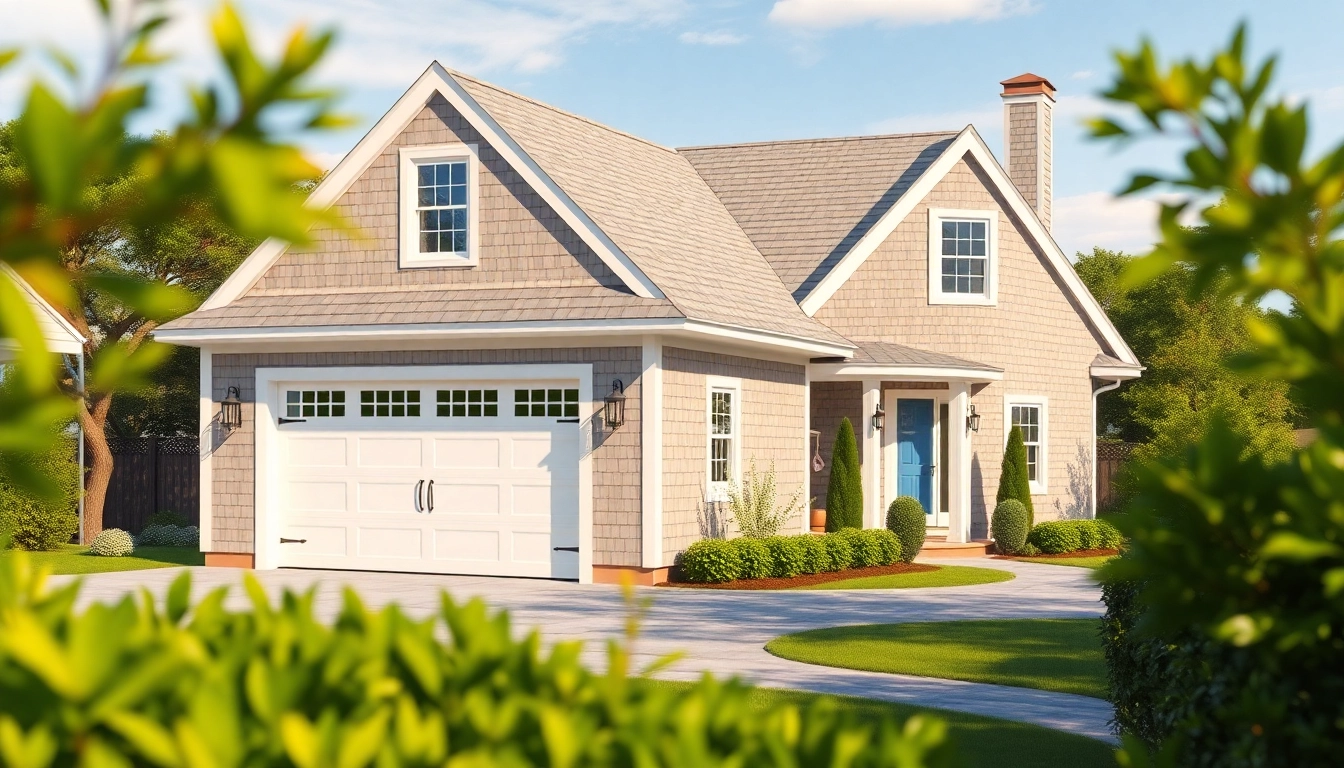
The appeal of a cape cod home lies not just in its aesthetic charm but also in its efficient functionality. Originating in the 17th century, this architectural style has evolved, yet it retains much of its original character. Built to withstand the diverse climate of New England, Cape Cod homes captured the essence of coastal living with their simplicity and charm. Exploring the nuances of this design is essential for anyone considering adding or renovating a home in this style, ensuring they honor tradition while embracing modern comforts.
Understanding the Cape Cod Architectural Style
The Cape Cod architectural style embodies a return to basics, marked by its practical design that harmonizes with nature. This style features steep roofs that allow for heavy snowfall to slide off and symmetrical designs with a central front door flanked by evenly spaced windows. These homes are usually one or one and a half stories tall and emphasize vertical lines, which contribute to their classic aesthetic.
Key Features of Cape Cod Homes
Distinctive elements such as dormer windows and wooden clapboard siding are fundamental in Cape Cod homes. The use of shingles, often painted in earthy tones, contributes to its weathered look while also ensuring durability. Inside, high ceilings and open spaces that facilitate airflow reflect the simplicity of the original design, maximizing natural light and enhancing livability. These features, combined with modern upgrades, can create a seamlessly integrated living space.
The Significance of Location in Cape Cod Homes
The location is paramount for Cape Cod homes, typically situated along coastal areas or near water bodies. This not only offers stunning views but also influences the home’s design and materials used in construction. Coastal climates demand moisture-resistant materials and elevated foundations to mitigate flooding risks, making the placement and orientation of the home critical in preserving its structural integrity and aesthetic appeal.
Choosing the Right Design Elements for Your Cape Cod Home
When designing a Cape Cod home, selecting elements that enhance its traditional beauty while incorporating modern functionality is essential. These choices impact not only aesthetics but also comfort and energy efficiency.
Color Palettes that Enhance Cape Cod Aesthetics
Choosing the right color palette can significantly influence the overall ambiance of your Cape Cod home. Soft hues like pale blues, muted greens, and sandy beiges resonate with the coastal environment, creating a tranquil and inviting atmosphere. Accent colors such as deep navy or crisp white trim can provide contrast, enhancing architectural features while maintaining harmony with the surrounding landscape.
Roof Styles: Classic vs. Modern
While traditional Cape Cod homes often feature steep gable roofs, modern adaptations may incorporate alternative designs, such as flat roofs or extended overhangs that allow for outdoor living spaces. When considering roof styles, ensure that they enhance the home’s functionality and aesthetic appeal, adapting to weather conditions while respecting the traditional characteristics.
Landscaping Ideas that Complement Your Home
The landscape surrounding a Cape Cod home should reflect its coastal spirit. Planting native shrubs and flowers not only enhances aesthetic appeal but also supports local wildlife. Additionally, incorporating hardscapes such as stone walkways or patios can create stylish outdoor living areas that blend seamlessly with the natural environment, providing both beauty and utility.
Integrating Functionality in Your Cape Cod Home
Functionality is a critical consideration in any home design, ensuring that spaces serve their intended purposes effectively while accommodating the occupants’ lifestyle.
Open Concept vs. Traditional Layouts
While traditional Cape Cod homes often feature defined rooms, modern homeowners may prefer open concept layouts that allow for seamless flow between spaces. This design change fosters interaction and enhances natural light. However, maintaining some traditional elements, such as distinct dining and living areas, can provide a sense of coziness inherent to the original style.
Storage Solutions in Cape Cod Homes
Storage can be a challenge in Cape Cod homes due to their compact size. Clever solutions, such as built-in cabinetry, under-stair storage, and multifunctional furniture, can maximize space without sacrificing style. Designing custom storage can also allow for the preservation of the home’s architectural features, ensuring it remains functional and aesthetically pleasing.
Creating Multispace Living Areas
Designing Multispace living areas enables homeowners to utilize their Cape Cod homes efficiently. By incorporating versatile furnishings that serve multiple purposes and creating zones for relaxation, entertainment, and work, homeowners can adapt their living spaces to meet changing needs. This flexibility is increasingly desirable in modern home design, enhancing usability without compromising style.
Environmental Considerations in Cape Cod Home Construction
Constructing a Cape Cod home calls for a focus on environmental sustainability, particularly in coastal regions prone to storms and flooding. Integrating eco-friendly practices is not only responsible but also beneficial for homeowners in the long run.
Energy Efficiency Tips for Cape Cod Homes
Improving energy efficiency in a Cape Cod home can be achieved through strategic insulation, energy-efficient windows, and high-quality appliances. These upgrades help to reduce heating and cooling costs while enhancing comfort throughout the year. Homeowners should consider passive solar design principles to maximize natural heating during colder months, making use of the sun’s warmth effectively.
Choosing Sustainable Materials for Construction
Utilizing sustainable building materials is essential for minimizing environmental impact. Many homeowners opt for reclaimed wood, eco-friendly insulation, and low-VOC paints to ensure their homes are both beautiful and responsible. Sourcing materials locally can also reduce transportation costs and support community economies.
Planning for Coastal Challenges
Coastal homes face unique challenges, including erosion, flooding, and storm damage. Elevating structures, reinforcing foundations, and selecting weather-resistant materials are critical strategies. Moreover, implementing bioswales or rain gardens can aid in managing stormwater runoff and protecting the landscape, ensuring that the home remains resilient against environmental challenges.
Frequently Asked Questions About Cape Cod Homes
What are the defining characteristics of a cape cod home?
A Cape Cod home is characterized by its steep gable roof, symmetrical design, dormer windows, and clapboard siding, often featuring a central front door flanked by windows.
How can I modernize a traditional cape cod home?
Modernizing a Cape Cod home can include updating finishes, redesigning layouts for open spaces, and incorporating energy-efficient technologies without losing its historical integrity.
What landscaping options work best for a cape cod home?
Landscaping options like native plants, coastal grasses, and stone paths work well, enhancing natural aesthetics while requiring less maintenance and supporting local ecosystems.
Are cape cod homes suitable for year-round living?
Yes, Cape Cod homes are well-suited for year-round living when designed with proper insulation, robust heating systems, and modern amenities, ensuring comfort throughout the seasons.
What climate considerations should I keep in mind for my cape cod home?
When designing a Cape Cod home, consider the local climate by selecting appropriate materials, ensuring adequate insulation, and planning for storm protection to withstand coastal weather conditions.