Effective Bed Bug Heat Treatment: A Comprehensive Guide to Elimination
Understanding Bed Bug Heat Treatment
What is Bed Bug Heat Treatment?
Bed bug heat treatment is a highly effective method used to eradicate bed bugs and their eggs from infested areas. By raising the temperature within a localized environment—typically between 120°F to 140°F—this process kills all life stages of bed bugs, from adult insects to eggs, ensuring a comprehensive extermination. Professionals employ specialized heaters in conjunction with monitoring equipment to maintain the required temperatures for sufficient duration.
How Does Heat Kill Bed Bugs?
Heat becomes lethal to bed bugs when it is sustained above certain temperatures. Research indicates that exposure to temperatures of 113°F can kill bed bugs if maintained for 90 minutes, while temperatures of around 118°F can achieve 100% mortality much quicker, usually within 20 minutes. Bed bug eggs are particularly resilient but they succumb to 118°F when exposed for 90 minutes. Thus, the efficacy of bed bug heat treatment comes from not just the temperature, but the duration and consistency of the heat applied during the treatment process.
Benefits of Bed Bug Heat Treatment
- Non-Toxic Solution: Unlike chemical extermination methods, heat treatment is environmentally friendly and doesn’t leave harmful residues behind.
- Effectiveness Across Life Stages: It targets all bed bug life stages, including hard-to-reach eggs, which are often left unharmed by other methods.
- Quick Results: Many scenarios see bed bugs eliminated in a single day, vastly reducing the time needed for a pest-free environment compared to multiple chemical applications.
- Minimizes Disruption: While traditional methods can require multiple visits, heat treatment can often achieve complete extermination in one comprehensive session.
Preparing for Bed Bug Heat Treatment
Essential Steps to Prepare Your Space
Proper preparation is crucial to the success of a heat treatment. Homeowners should follow specific protocols:
- Clear the Area: Remove sensitive items such as electronics, plants, and medicines that could be damaged by high temperatures.
- Assess Furniture: Identify items that cannot withstand heat and discuss alternatives with your pest control technician.
- Inform Residents: Ensure that everyone in the household is aware of the treatment schedule and necessary precautions.
What to Expect During the Treatment
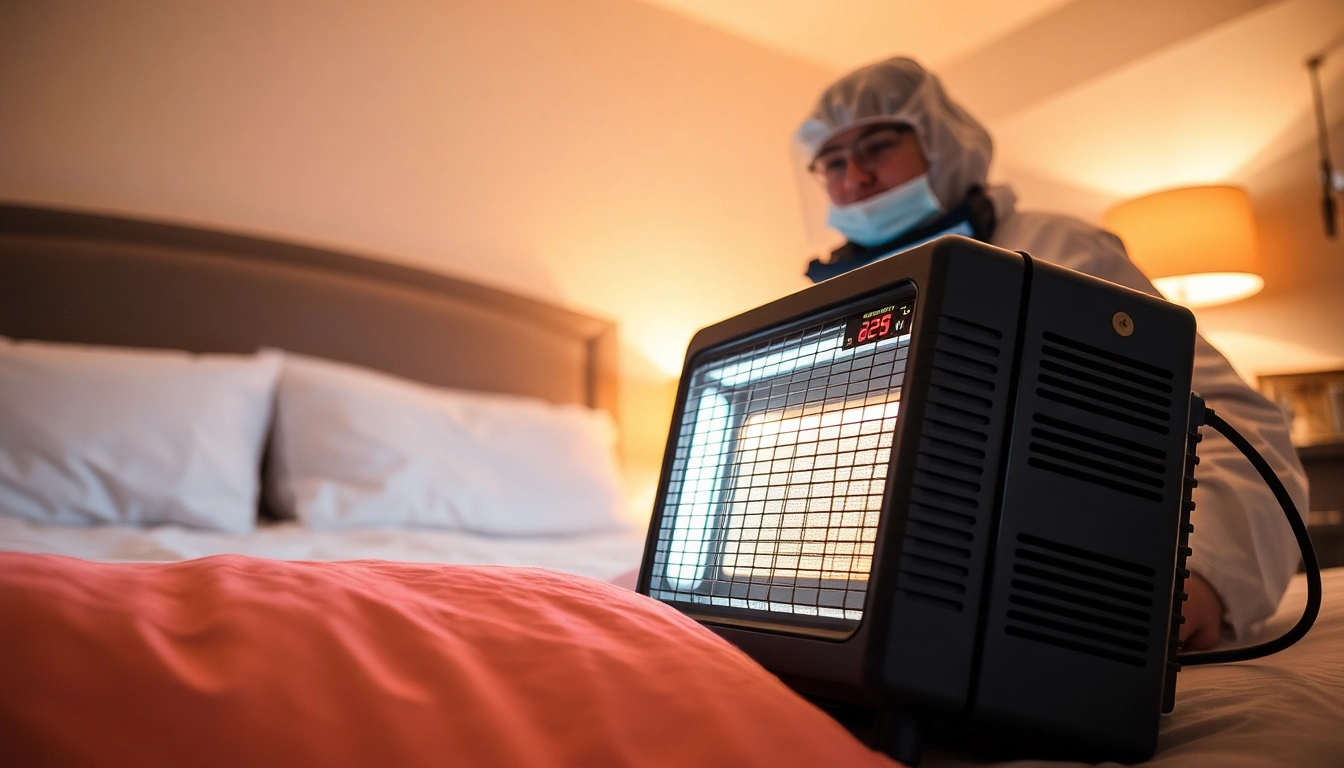
During bed bug heat treatment, technicians will utilize specialized equipment to heat the infested area. This process typically involves:
- Setting up heaters and fans to circulate heated air through the space.
- Monitoring temperatures to ensure consistent and sufficient heat distribution.
- Checking various locations to validate that temperatures meet or exceed required levels.
Items to Remove Before Treatment
Before undertaking a heat treatment, it is advisable to remove or treat certain items:
- Cushions, clothes, and bedding should be laundered and sealed in plastic. Sealed items should be kept outside the treated area until it’s safe to return them.
- Children’s toys and items that could be damaged by heat should be relocated.
- Pets should be relocated for their safety during the treatment process.
Executing the Bed Bug Heat Treatment
How Professionals Conduct Heat Treatments
Professionals conducting bed bug heat treatment follow strict protocols to ensure success:
- Preparation: Technicians prepare the area, ensuring that all items that could hinder the heat process are removed.
- Heating: Heaters are strategically placed to maximize heat distribution, typically achieving temperatures between 120°F and 140°F.
- Monitoring: Technicians monitor temperatures using thermographic cameras and digital thermometers to ensure adequate exposure for the recommended duration.
Monitoring Temperature Effectively
Temperature monitoring is critical during the treatment as bed bugs can survive insufficient heat exposure. Using advanced thermographic technology allows pest control experts to identify cold spots in the treatment area, ensuring that all locations reach the required temperature for the necessary time entrusting a full extermination.
Common Mistakes During Treatment
Some common mistakes can hinder the success of heat treatment:
- Inadequate Preparation: Failing to remove heat-sensitive items can lead to damage and interfere with the effectiveness of the treatment.
- Inconsistent Heating: Allowing cold spots can facilitate bugs surviving the process, undermining overall efforts to eliminate them.
- Rushing the Process: Not allowing enough time for the heat to permeate can result in inadequate extermination.
Aftercare Following Bed Bug Heat Treatment
Post-treatment Instructions
After the treatment, it is important to maintain certain protocols to ensure continued effectiveness:
- Wait Before Replacing Items: Wait until the area has cooled down completely before returning items to the treated space.
- Conduct a Follow-Up Inspection: Learning about any remaining signs of pest presence will help inform future pest control measures.
Maintaining a Bed Bug-Free Environment
After the treatment, maintaining a bed bug-free home involves proactive measures such as:
- Regular inspections of luggage and any second-hand items before bringing them into the home.
- Laundering beddings and clothing regularly, particularly after travel.
- Sealing potential entry points in the dwelling through which bed bugs can migrate.
When to Schedule Follow-Up Treatments
While heat treatment is highly effective, scheduling follow-up treatments may be necessary under certain conditions, such as:
- Signs of bed bug activity re-emerging after initial treatment.
- High-risk areas such as multi-family dwellings, where the possibility of re-infestation is elevated due to neighboring units.
FAQs About Bed Bug Heat Treatment
What temperature kills bed bugs immediately?
Exposing bed bugs to 113°F for 90 minutes can kill them, while at 118°F, they can die within 20 minutes. Bed bug eggs require 90 minutes at 118°F for full mortality.
How long does bed bug heat treatment take?
Heat treatments typically last between 6-8 hours, depending on the size of the area and the ambient conditions, ensuring all locations reach lethal temperatures.
How effective is bed bug heat treatment?
When done correctly, heat treatment is around 95-100% effective in killing bed bugs and their eggs in a single treatment; however, follow-up inspections are advisable.
Are there any risks involved in heat treatment?
As long as the treatment is performed by professionals, heat treatment is safe for humans and pets. However, it can damage heat-sensitive items like electronics if not properly prepared.
Can I perform bed bug heat treatment myself?
While DIY options exist, professional heat treatments are recommended as they utilize specialized equipment capable of reaching necessary temperatures and monitoring conditions effectively.