
Tehran Uprising: Understanding the 2026 Movement for Change
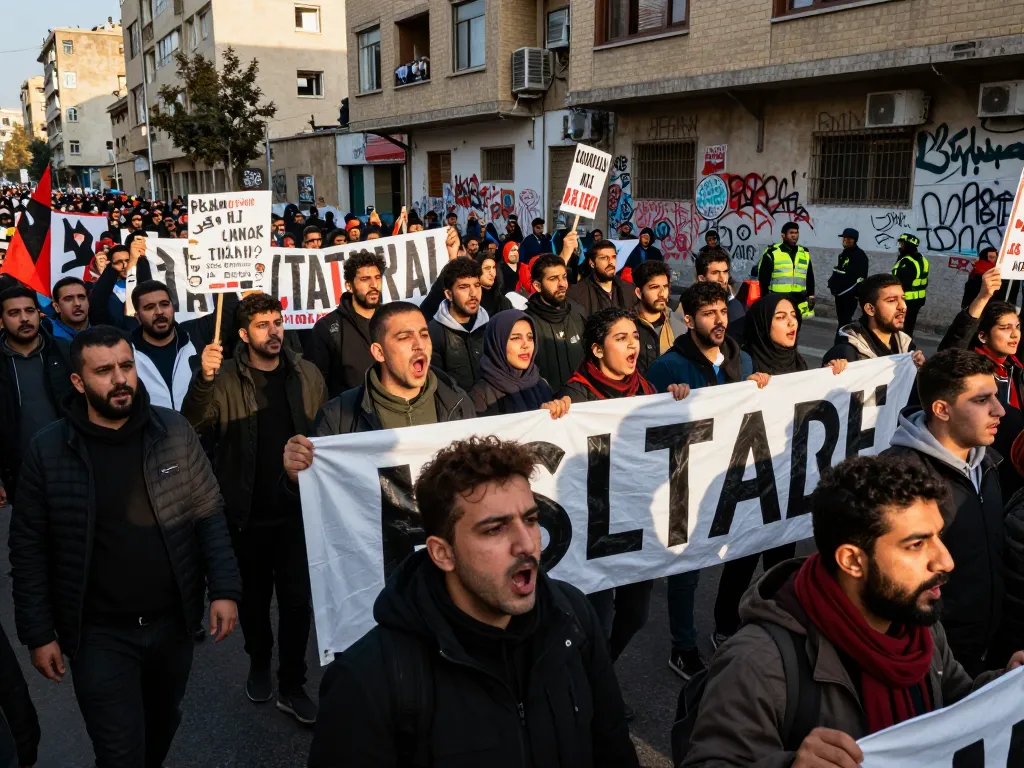
Overview of the Tehran Uprising in 2026
The Tehran uprising marks a significant moment in Iran’s tumultuous history, characterized by widespread protests that erupted in early January 2026. Triggered by a confluence of socioeconomic challenges, the unrest has mobilized millions of Iranians demanding change. With deep-seated grievances against the ruling government, protesters took to the streets in unprecedented numbers, challenging the status quo and calling for a transition towards a more democratic political framework.
What sparked the protests?
The protests were ignited by years of governmental repression, economic mismanagement, and rising costs of living. As inflation soared and job opportunities dwindled, public frustration reached a boiling point. Specific events, such as the controversial increase in fuel prices and the government’s failure to address rampant corruption, acted as catalysts, prompting citizens from various backgrounds to unite in their dissent. The demand for political accountability and economic relief resonated strongly as Iranians felt the weight of systemic inequities.
Key players in the uprising
Among the prominent figures emerging from the protests, leaders from both grassroots organizations and exiled political factions have gained visibility. These individuals are not only rallying support but also articulating the aspirations of the protest movement. Exiled figures, such as Reza Pahlavi, have called for peaceful reforms, while local activists emphasize the necessity of grassroots mobilization to effect real change. The diversity of leadership has enriched the movement, bridging historical divides and generating a more unified front.
Initial public response and mobilization
Initially, the public response to calls for protest saw an unprecedented turnout. On January 8, 2026, an estimated 1.5 million people flooded the streets of Tehran, with numbers swelling to approximately 5 million nationwide by the following day. This mobilization was unprecedented in Iranian history, showcasing the level of public discontent and desire for change. Social media platforms played a crucial role in organizing protests, disseminating information, and galvanizing support across urban and rural areas.
The Social and Economic Context of the Uprising
Economic challenges leading to unrest
Iran’s economy, long plagued by sanctions, corruption, and inefficiency, has reached a critical juncture. Rising unemployment and inflation—coupled with shrinking access to basic services—have created a backdrop of economic despair. Many citizens attribute rising prices to governmental policies, which they view as disconnected from the realities of daily life. As economic hardships deepened, so did the public’s resolve to demand accountability and reform.
Impact of social media on mobilization
In the digital age, social media has transformed the landscape of political mobilization. Platforms like Twitter, Instagram, and Telegram have become vital tools for protesters to share messages and organize events. Activists have leveraged these platforms to bypass state-controlled media, allowing for the rapid spread of information and fostering a sense of solidarity among demonstrators. This digital connectivity has enabled various movements across the country to coordinate effectively, amplifying their voices.
Public discontent and historical grievances
The Tehran uprising is rooted in a history of public dissent against authoritarian rule. Many protesters draw inspiration from earlier uprisings, such as the Green Movement of 2009, which similarly sought political reforms but was met with a brutal crackdown. Historical grievances relating to human rights abuses and the lack of political freedoms have fueled today’s protests, as citizens reflect on past injustices and demand an end to oppressive practices.
The Role of Leadership in the Tehran Uprising
Emerging leaders and their influences
The leadership landscape of the Tehran uprising boasts a mix of established figures and grassroots activists. Emerging leaders have influenced the direction of the protests by focusing on issues like economic justice, civil rights, and political reform. Their ability to articulate a clear vision for the future has galvanized support and energized the movement. Additionally, the influence of international leaders advocating for change has reinforced local efforts and drawn greater attention to the cause.
Comparisons with previous uprisings
The 2026 uprising can be likened to previous movements within Iran, such as the 1979 Islamic Revolution and the 2009 Green Movement. However, today’s protests differ in their scope and demands. While the 1979 Revolution sought to overthrow a monarch, the current protests seek systemic reform within an existing regime. The lessons learned from past uprisings provide a framework for understanding current dynamics and the potential consequences of governmental response.
Calls for change: What do protesters want?
The demands of protesters are multi-faceted, encompassing economic stability, civil rights, and political reform. They seek an end to corruption, increased transparency in government operations, and a greater voice in political decision-making. The call for a referendum on Iran’s future political structure highlights the desire for a significant shift away from authoritarian rule towards a more participatory governance model. This reflects a broader aspiration for democratic principles that resonate deeply within a significant segment of the population.
Government Response to the Tehran Uprising
Methods of suppression and control
The Iranian government’s response to the protests has been characterized by severe repression, including widespread arrests, internet blackouts, and violent crackdowns on demonstrators. Security forces have employed live ammunition against protesters, resulting in numerous casualties and injuries. The state’s efforts to control the narrative through propaganda and misinformation campaigns underscore its fear of losing power and influence over the populace.
International reaction and geopolitical implications
The international community’s response to the uprising has varied, with some countries expressing support for the protesters while others remain cautious due to geopolitical interests in the region. Sanctions and diplomatic pressures have become focal points of discussion, as international actors evaluate their positions in response to Iran’s domestic unrest. The implications of this uprising extend beyond Iran’s borders, potentially affecting relationships and strategic calculations throughout the Middle East.
Public safety vs. civil liberties in crisis
The ongoing crisis raises critical questions about the balance between public safety and civil liberties. The government’s justification for its use of force often hinges on the narrative of maintaining order. This tension is at the heart of the protests, as citizens grapple with the implications of living under a regime that prioritizes control over democratic freedoms. Striking a balance between security measures and the protection of individual rights is a significant challenge that the Iranian government must confront.
Future Implications and Predictions for Iran
Potential outcomes of the uprising
The eventual outcome of the Tehran uprising remains uncertain, but several scenarios are possible. Should the protesters maintain momentum, there is potential for significant political reform. Alternatively, if the government’s repressive tactics prove effective, the movement may wane, leading to continued unrest and dissatisfaction. The resilience of the Iranian population will play a crucial role in determining the trajectory of these events.
Long-term effects on Iranian society
The long-term effects on Iranian society could be profound, regardless of whether the movement succeeds in achieving its goals. Increased political awareness and organization among citizens may persist, fostering a culture of dissent that challenges governmental authority in the future. Additionally, social cohesion formed during the protests could promote solidarity among diverse groups seeking change, contributing to a more vibrant civil society.
Global perspective on regime stability and change
The Tehran uprising poses questions for international observers regarding the stability of the Iranian regime. Histories of uprisings have shown the potential for significant change, driven by internal dissatisfaction and external pressures. As the world watches these developments unfold, nations may need to reconsider their diplomatic strategies and relationships with Iran, taking into account the aspirations of its citizens for reform and justice.
What are the key demands of the protesters?
The key demands of the protesters include accountability, political freedom, and economic stability. By highlighting issues such as corruption, lack of transparency, and the need for political representation, they seek to create a platform for meaningful dialogue and change within their society.
How has public sentiment shifted during the uprising?
Public sentiment has evolved throughout the uprising, with many citizens moving from resignation to active participation. The initial shock of repression has catalyzed a broader awareness of issues affecting daily life, leading to increased willingness to confront the government and demand accountability.
What lessons can be learned from historical protests in Iran?
Historical protests in Iran, such as the 1979 Revolution and 2009 Green Movement, offer valuable insights into the dynamics of dissent and repression. The importance of unity, clear demands, and effective communication cannot be overstated, as these factors will determine the success of current movements.
What are the international implications of the Tehran uprising?
The Tehran uprising carries significant international implications, particularly concerning geopolitical stability in the Middle East. Should the protesters succeed, it could inspire similar movements throughout the region, affecting U.S. foreign policy and regional alliances.
What role does social media play in modern uprisings?
Social media serves as a powerful tool for modern uprisings, allowing for rapid mobilization, information dissemination, and international awareness. The ability to share firsthand accounts and organize protests has changed the landscape of activism, making it more accessible to a broader audience.